











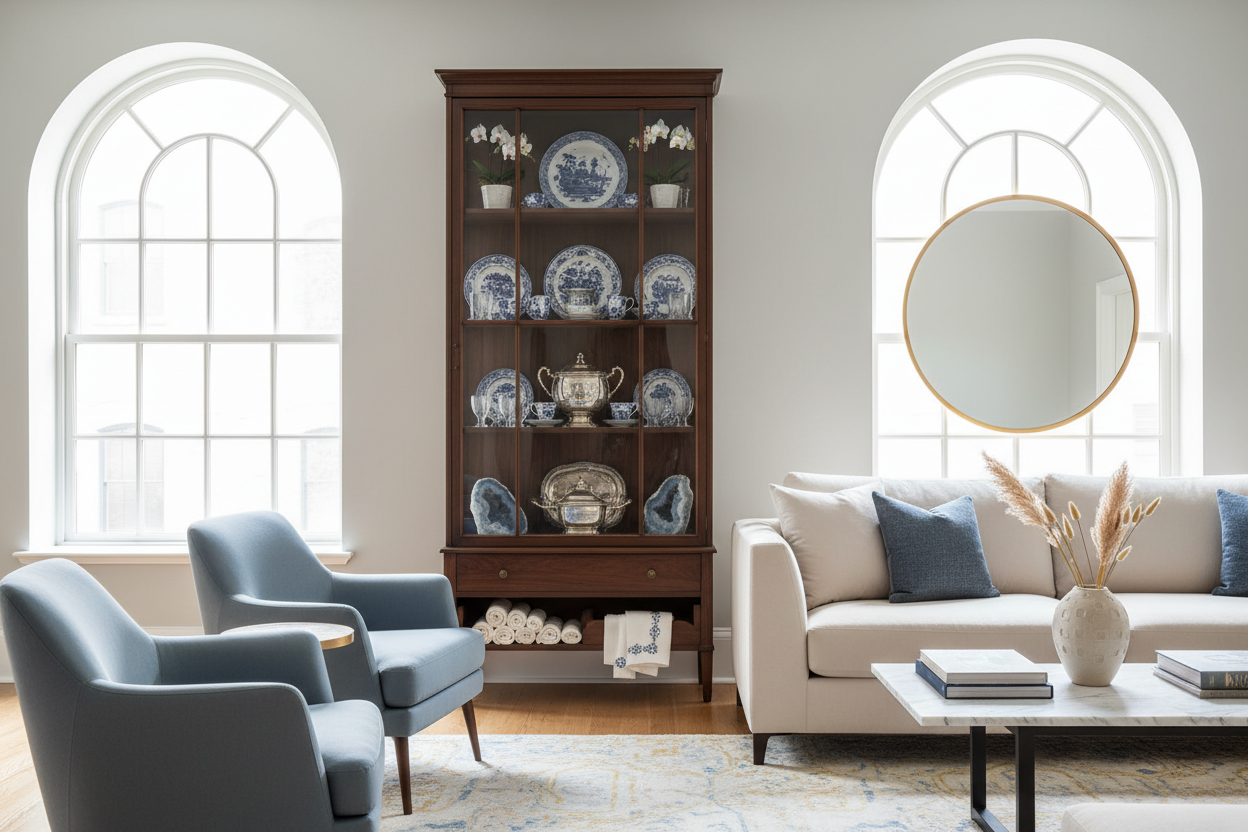
You just moved into a new apartment, or maybe the kids are off to college and you're finally redecorating. You have this beautiful china cabinet—maybe it's a family heirloom, maybe you found it at a vintage shop—and your dining area is tiny or non-existent. You're staring at your living room, wondering: 'can you put a china cabinet in the living room' without it looking like a formal dining room piece crashed the party? I've helped over 200 clients solve this exact puzzle. The answer is a resounding yes, but it requires a thoughtful approach.
Quick Takeaways
- Yes, a china cabinet can work beautifully in a living room as a display/storage hybrid.
- Placement is key: aim for a focal wall, near an entry, or in a defined zone to avoid blocking flow.
- Style it with a mix of china, books, art, and personal items to feel curated, not just 'dishes on show'.
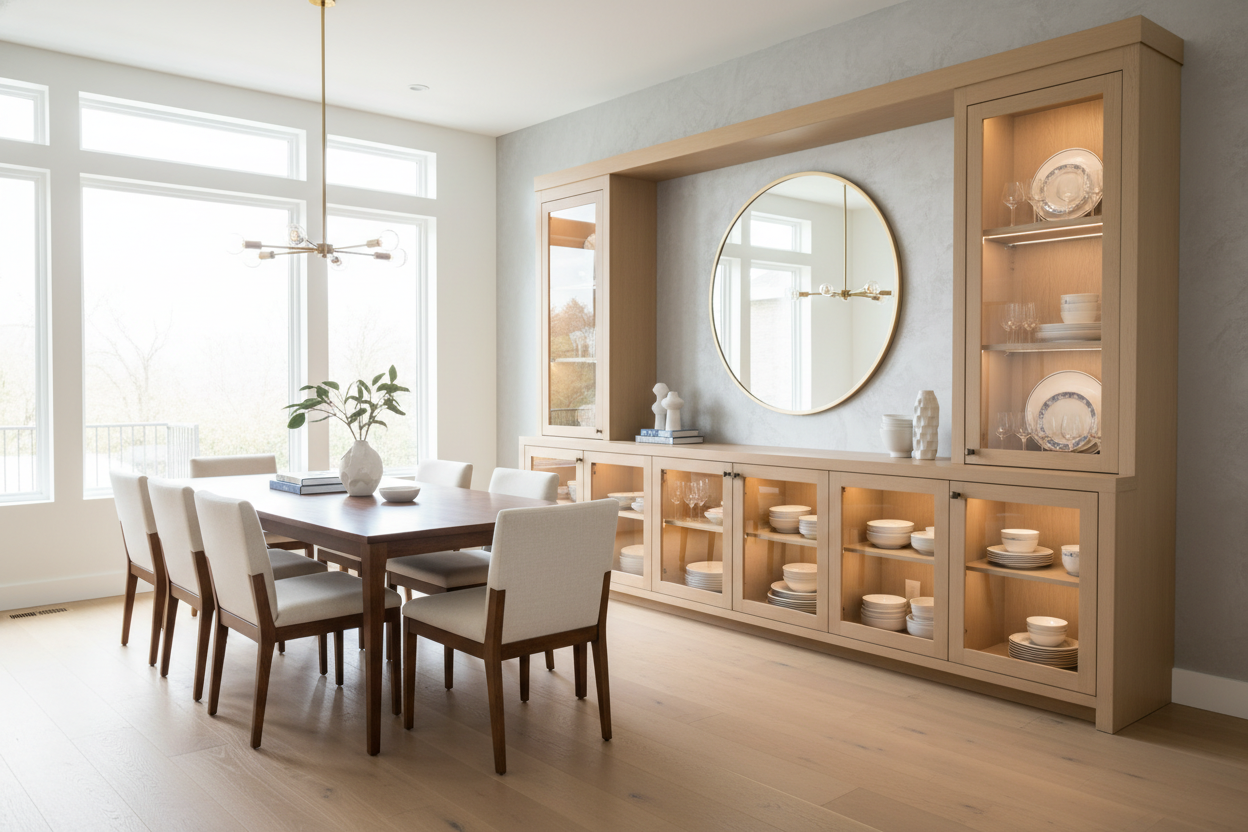
- Balance it visually with wall decor like a mirror or art on either side.
- If a full cabinet feels too heavy, consider open shelving or a plate rack as an alternative.
Why the Living Room Might Be Your China Cabinet's Best Home
Think about how we live now. Formal dining rooms are becoming less common, especially in apartments and newer builds. Our living rooms have become multi-functional spaces for relaxing, entertaining, and even working. A china cabinet here isn't just for dishes; it's a chance to add character and closed storage. I had a client with a 12x14 living room who used a 60-inch wide cabinet to store not just her grandmother's china, but also board games, photo albums, and barware. It became a functional display wall that told a story. The key is to see it as a piece of furniture that offers both beauty and utility, not just a relic from a formal dining set.
Strategic Placement: Where to Position Your China Cabinet
This is where most people go wrong. You don't just shove it against any empty wall. First, consider traffic flow. Maintain at least a 36-inch walkway in front of it. In a typical living room layout, placing it on the wall opposite the sofa often works well, creating a visual anchor. For smaller rooms, a corner placement can be genius. It tucks the cabinet out of the main circulation path while maximizing dead space. If you're dealing with a tight corner, an option like the Elegant Corner China Cabinet With Shelves And Frosted Glass Doors Space Saving Display Solution is designed specifically for this. Also, watch natural light. Direct, harsh sunlight can fade fabrics and damage delicate items inside. A spot with indirect light is ideal.
Modern Styling: How to Decorate Your China Cabinet for the Living Room
Forget the perfectly matched, symmetrical dish sets of the past. Today's approach is layered and personal. Start by arranging your china, but mix in other elements. On the shelves, I might place a stack of vintage plates next to a few hardcover books laid flat, a small sculptural object, and a low-maintenance plant like a succulent in a simple pot. Vary heights and textures. For a more detailed guide on arranging, check out How Do You Display China in a China Cabinet — What Designers Actually Do. The cabinet itself should complement your room's style. In a contemporary space with clean lines, a sleek Black Cabinet With Glass Doors can look stunning. Don't overcrowd the shelves—leave 20-30% negative space to let items breathe.
What to Hang on Either Side: Balancing Your China Cabinet Visually
A standalone china cabinet on a big, blank wall can look lonely and awkward. You need to balance its visual weight. The most common solution is to hang a piece of wall art or a mirror centered above the cabinet. But what about on the sides? If you have about 12-18 inches of wall space on either side, consider hanging a pair of vertical artworks, framed photographs, or even two simple sconces (plug-in styles are great for renters). This creates a intentional, designed 'zone' around the cabinet. If the cabinet is very tall, like a 72-inch model, you might skip side decor and let a single, larger piece of art above do the work. The goal is symmetry or intentional asymmetry, not emptiness.
Alternative Display Ideas: When a Full Cabinet Isn't Right
Maybe your living room is very small, or your style is ultra-minimalist. A full china cabinet might feel too imposing. You still have options to display cherished pieces. Open shelving, like a 48-inch floating wood shelf, can hold a curated collection of plates and bowls interspersed with other decor. A wall-mounted plate rack is another classic, space-saving choice. Or, create a vignette on a console table or sideboard: prop a few special plates on stands behind a cluster of books and a vase. For those who love the cabinet look but need a statement piece, a tall option like the 62 2 H Tall China Curio Cabinet White Display Case With Glass Doors can work in a room with high ceilings, drawing the eye upward.
Common Mistakes to Avoid (And What to Do Instead)
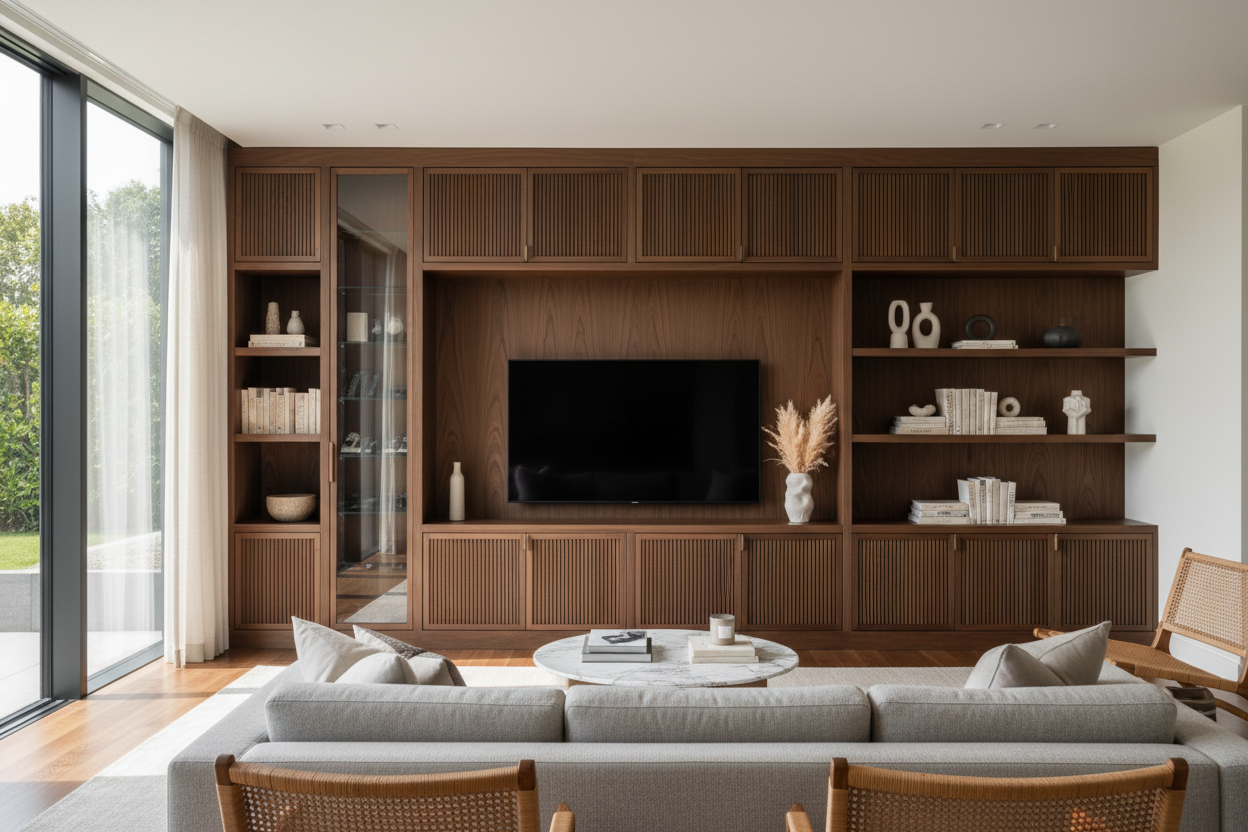
After 200+ homes, I've seen the same errors repeatedly. First, overcrowding. Stuffing every shelf full looks cluttered, not collected. Edit ruthlessly. Second, poor lighting. A dark cabinet interior hides your beautiful items. Add a simple, battery-operated LED puck light strip inside to make everything glow. Third, ignoring scale. A massive, ornate cabinet in a small, modern room will clash. Look for pieces with slimmer profiles or lighter finishes. Finally, treating it as a single-function item. Your living room cabinet can also store blankets, records, or even function as a bar area. For ideas on merging functions, China Cabinet and Bar — How to Merge Display and Entertainment in Your Dining Space has concepts that translate perfectly to living rooms.
Personal Experience: The Honest Downside
I'll be honest—it doesn't always work perfectly. I once placed a client's beautiful, dark wood antique china cabinet in their bright, airy living room. Even styled with modern items, it still felt a bit too 'grandma's house' for them. The fix? We painted the interior a soft white, which instantly brightened the display and made the dark wood feel more like a frame. The lesson: sometimes you need to modify the piece itself to fit the space, not just its contents.
FAQ
How deep should a china cabinet be for a living room?
Standard depths are 16 to 20 inches. For living rooms, I recommend staying on the shallower end (16-18 inches) to avoid protruding too far into the room and impeding walkways.
Can I put a TV above a china cabinet?
Generally, no. The viewing height will be too high and strain your neck. The cabinet and TV will compete as focal points. It's better to place them on separate walls.
What if my china cabinet has a mirrored back?
Mirrored backs can make a small room feel larger and reflect light. Just be mindful of what they reflect—you might not want a view of your cluttered kitchen doorway. Style the shelves carefully, as the mirror will double everything.
How do I secure a tall china cabinet?
This is crucial, especially in homes with kids or pets. Use furniture wall straps or an anti-tip bracket to anchor the top of the cabinet to a wall stud. For a 72-inch tall unit, this is non-negotiable for safety.

Leave a comment
This site is protected by hCaptcha and the hCaptcha Privacy Policy and Terms of Service apply.