










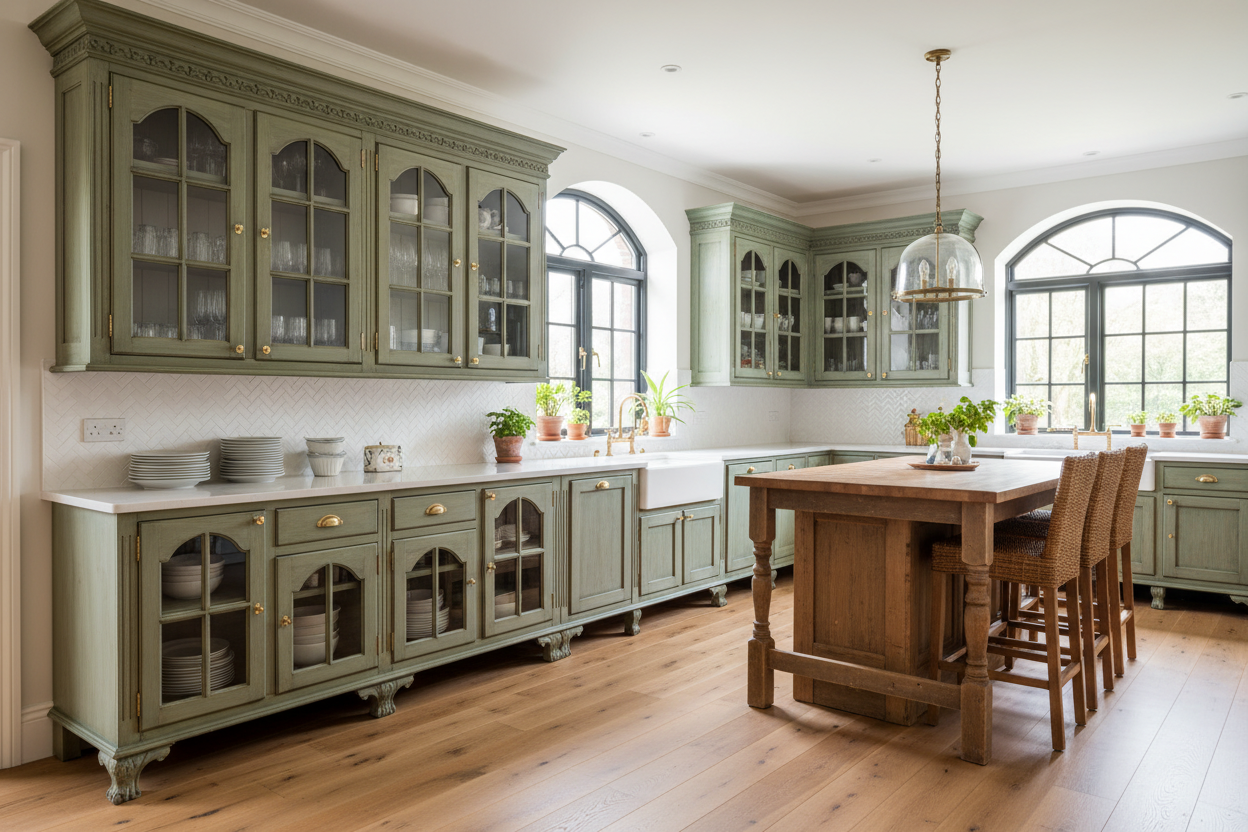
I've walked into so many kitchens where the owners are struggling with that awkward corner space or need more storage but don't want another generic cabinet. You know the spot—too small for a full pantry, too big to leave empty. That's when I started suggesting clients look at their dining rooms, or better yet, local vintage shops, for a solution. China hutch turned into kitchen cabinets became my go-to trick for adding character and solving real storage problems.
Quick Takeaways
- A standard 60-inch wide china hutch provides about 18 cubic feet of storage, perfect for dishes and dry goods.
- Look for hutches with solid wood construction (like oak or maple) and drawers that still slide smoothly.
- You'll typically need to modify the back panel for plumbing/electrical access and reinforce shelves for heavier kitchen items.
- Painting with a semi-gloss enamel creates a durable, wipeable surface that works in modern kitchens.
Why a China Hutch Makes Perfect Kitchen Cabinets
When you're standing in a client's kitchen that needs more personality than function, a repurposed china cabinet solves both. Structurally, they're built to last—most vintage pieces have kiln-dried hardwood frames and solid wood panels, unlike some modern flat-pack cabinets. The glass doors that once displayed grandmother's china now let you see your everyday dishes, reducing the 'what's in there?' guessing game. I recently used a 72-inch hutch in a galley kitchen where standard cabinets would have made the space feel closed in; the open shelving section kept it airy while providing closed storage below.
The depth is usually perfect too—most hutches are 16-18 inches deep, which aligns with standard upper kitchen cabinets. This means they don't encroach on your precious walkway space (remember, you need at least 36 inches between counter edges and furniture). For smaller kitchens, consider small china cabinets as kitchen upgrades; a 48-inch wide piece can fit where a pantry wouldn't.
Finding the Right China Hutch for Your Kitchen
Not every hutch is kitchen-ready. I tell clients to look for three things: size, condition, and 'good bones.' First, measure your space carefully. A hutch that's too tall (over 84 inches) might not fit under standard 8-foot ceilings once you account for crown molding. The sweet spot is usually 60-72 inches wide and 78-84 inches tall.
Check the back panel—if it's solid wood, you'll need to cut access holes for any outlets or pipes. Particle board backs are easier to modify but less durable. Open every drawer and door. Drawers should slide without sticking (a sign the wood hasn't warped), and doors should close evenly. I avoid pieces with significant water damage around the base, as that often means structural issues.
My favorite find was a 1960s maple hutch with dove-tail jointed drawers. The client wanted to use it as a baking station, so those sturdy drawers now hold rolling pins and cookie cutters. The glass doors got replaced with chicken wire for a more rustic look, but the original hardware was solid brass and stayed.
The Transformation Process: From Dining Room to Kitchen
Here's how I approach converting a dining room piece into functional kitchen storage. First, clean it thoroughly—decades of furniture polish need to go before any painting. Remove all hardware and label where each piece came from. Sand lightly with 120-grit sandpaper, just enough to rough up the surface for better paint adhesion.
For a seamless look, consider how your new piece will integrate with existing cabinetry. I often add matching crown molding or paint the hutch the same color as the kitchen's trim. One client had a built-in china cabinet integration challenge—their kitchen had dark walnut cabinets but they found a light oak hutch. We stained the hutch to match, then added similar brass pulls to tie everything together.
Structural Modifications for Kitchen Use
Kitchens demand more from furniture than dining rooms do. Those delicate glass shelves that held teacups? They need reinforcement for dinner plates. I replace original shelves with ¾-inch plywood cut to size, edged with iron-on veneer tape. For glass doors you're keeping, add clear silicone bumpers so they don't rattle when closed.
Drawer modifications are crucial. Many vintage hutches have shallow drawers (3-4 inches deep) perfect for linens but not for kitchen tools. I sometimes combine two shallow drawers into one deeper one by removing the divider. Just ensure you maintain at least ½-inch clearance around the new drawer for smooth operation.
Hardware upgrades make a big difference. Replace worn wooden knobs with cup pulls that match your other cabinets. For drawers holding heavy items like pots, install full-extension slides rated for at least 75 pounds per drawer.
Finishes That Work in Modern Kitchens
Paint is your friend here. I recommend Benjamin Moore Advance or Sherwin-Williams Emerald Urethane Trim Enamel—both cure to a hard, wipeable finish perfect for kitchens. Semi-gloss sheen hides imperfections better than high-gloss. For a two-tone look, paint the body a dark color (navy or charcoal) and the interior shelves a bright white.
If you're staining instead, use a gel stain over previously finished wood—it's more forgiving and requires less sanding. Seal with three coats of water-based polyurethane for durability. I recently did a hutch in Minwax Classic Gray stain with brass hardware; it looked intentionally vintage rather than accidentally old.
Styling Your Repurposed China Hutch Cabinets
How you arrange items makes all the difference. The upper glass-door section is perfect for everyday dishes—stack plates by size, bowls nested together. Leave some breathing room; overcrowding makes it look cluttered rather than curated. The middle section (often with smaller cabinets or drawers) holds spices, teas, or baking supplies in matching containers.
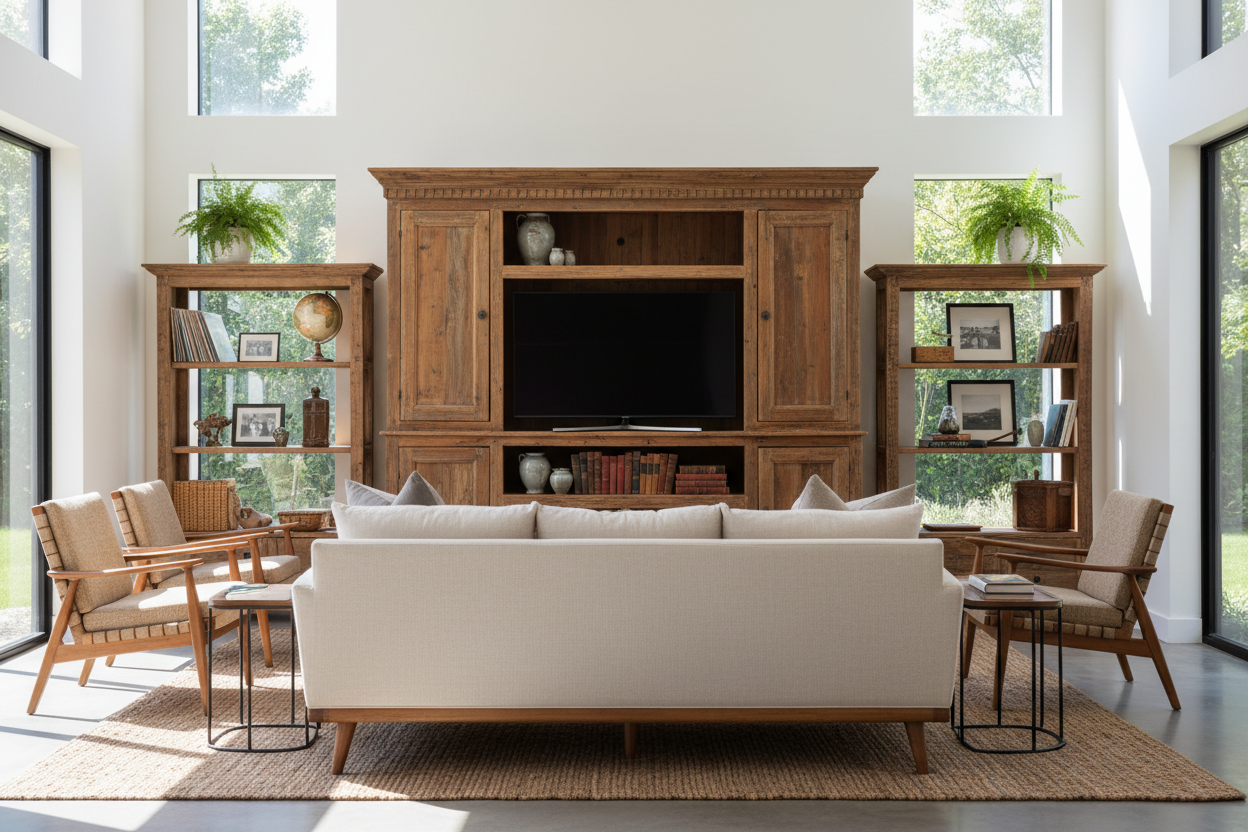
Bottom cabinets take heavier items: pots in the lower left, mixing bowls to the right. If your hutch has legs rather than a solid base, add baskets underneath for potatoes or onions. For a coordinated look, pair your transformed hutch with a kitchen sideboard buffet table in a complementary finish.
Lighting matters too. Many hutches have a top section perfect for LED strip lights. Install them under the upper shelves to illuminate your displayed items without creating glare on the glass.
Common Challenges and Designer Solutions
The biggest issue I see is depth mismatch. Standard kitchen counters are 25 inches deep, but hutches are often shallower. This creates a gap behind the piece. Solution: build a simple plywood box to extend the back, then finish it to match. Another challenge is door swing—make sure doors have clearance to open fully without hitting other cabinets or appliances.
For functionality gaps, add organizational inserts. A silverware drawer can become a utensil drawer with dividers. Too-deep cabinets get pull-out shelves. I once added a narrow pull-out spice rack to the side of a hutch that was 2 inches shallower than the adjacent cabinets—it turned a problem into a feature.
Integration with other elements is key. If you're adding a kitchen islands collection later, consider how your repurposed hutch will relate to it visually. Similar hardware or complementary colors create cohesion.
Personal Experience: When It Doesn't Work
I'll be honest—not every hutch conversion succeeds. Early in my career, I used a beautiful but fragile 1920s piece in a busy family kitchen. The thin shelves bowed under heavy dishes within months, and the delicate veneer chipped where kids' backpacks brushed against it. I learned: assess how the space will actually be used. That piece would have been perfect in a formal dining room or adult-only kitchen. Now I'm much stricter about construction quality for high-traffic areas.
FAQ
How much weight can china hutch shelves hold?
Original glass shelves: 10-15 pounds max. Replace with ¾-inch plywood shelves properly supported, and they can hold 40-50 pounds distributed evenly.
Can I use a china hutch near the stove?
Yes, but maintain at least 24 inches clearance from burners. Use heat-resistant paint (rated to 200°F+) on that section, and avoid storing flammable items in nearby cabinets.
How do I handle uneven floors in an old house?
Install adjustable furniture levelers on the base. For hutches with legs, add felt pads of varying thickness until the piece doesn't rock.
Is it cheaper to repurpose or buy new cabinets?
Usually repurposing wins. A quality vintage hutch costs $200-500, plus $150-300 in materials. Comparable new custom cabinets start around $1,200. The trade-off is your time versus immediate installation.


Leave a comment
This site is protected by hCaptcha and the hCaptcha Privacy Policy and Terms of Service apply.