










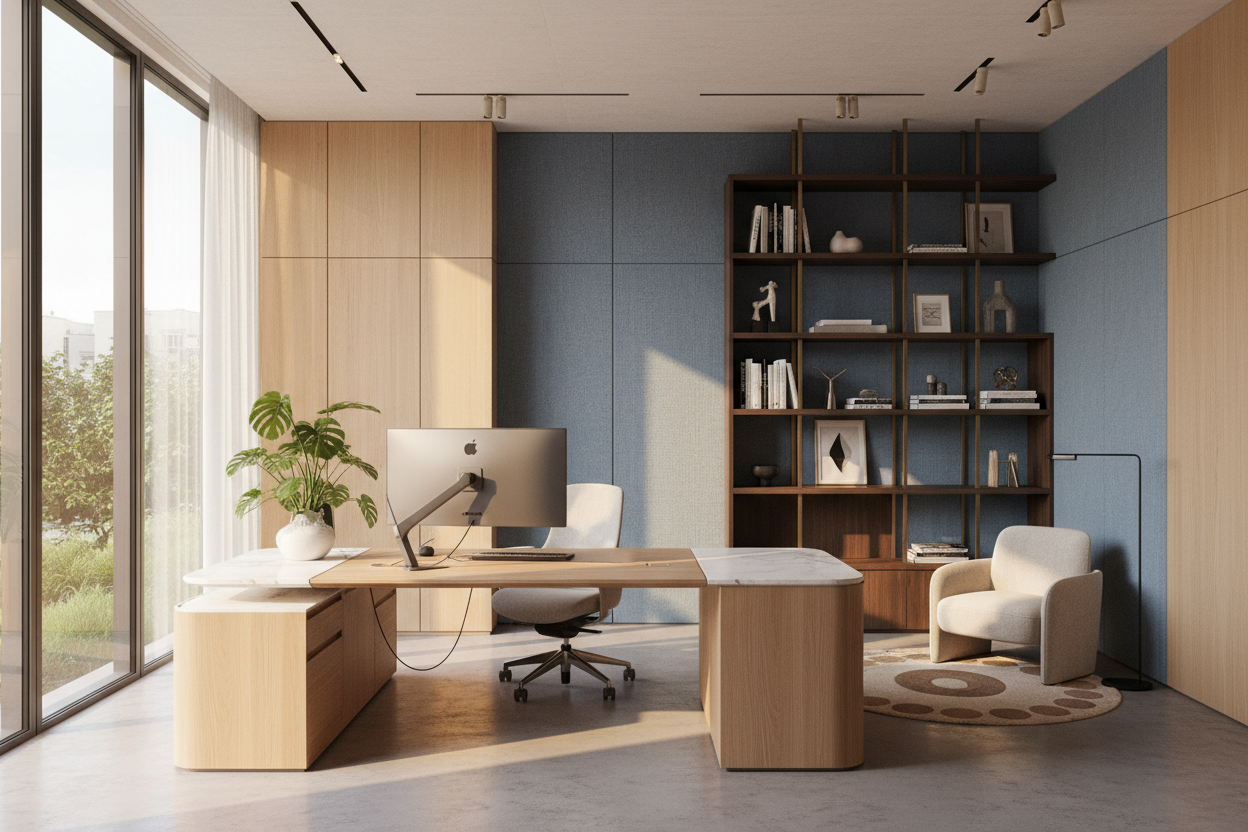
We have all found ourselves scrolling through feeds of the best office space designs, envying the floor-to-ceiling windows or the custom walnut joinery. Yet, when we sit down at our own desks, the reality is often a clutter of cables, poor lighting, and a chair that offers zero lumbar support. The dilemma isn't a lack of inspiration; it's a lack of cohesive planning. Designing a workspace isn't just about aesthetics; it is about engineering an environment that sustains high performance without sacrificing style.
Key Features to Look For
- Ergonomic Integrity: Prioritize seating and desk heights that support neutral body posture to prevent fatigue.
- Lighting Layers: Combine ambient overhead lighting with articulated task lighting (4000K is ideal for focus).
- Acoustic Control: Use rugs, curtains, or acoustic panels to dampen echo and create a focused audio environment.
- Material Durability: Select work surfaces like hardwood or high-pressure laminate that resist scratches and heat.
- Biophilic Elements: Integrate plant life or natural textures to reduce stress and improve air quality.
Defining the Aesthetic: Beyond the "Funky"
When clients ask me to recreate the vibe of the best office in world headquarters (think Google or Apple), they often gravitate toward slide-out drawers and neon signs. However, truly awesome office spaces rely on a refined palette rather than gimmicks. If you want a cool workplace that ages well, focus on the architectural bones.
Start with the silhouette of your primary furniture. A floating desk creates visual spaciousness in smaller rooms, while a heavy, double-pedestal desk commands authority in larger suites. The goal is to balance the visual weight of the furniture with the negative space of the room.
Material Selection and Tactility
Solid Wood vs. Veneer
For the primary desk, the material dictates both longevity and feel. Solid wood (walnut, white oak) offers a tactile warmth and can be refinished over decades. However, it is susceptible to humidity changes. High-quality architectural veneers offer the same visual richness but with greater stability against warping. Avoid low-grade particle board; it lacks the structural integrity to hold heavy monitor arms or cable management systems securely.
Textiles and Seating
Funky offices often feature bright, velvet chairs, but for a daily driver, breathability is non-negotiable. Look for high-performance meshes or top-grain leathers. Leather develops a patina that tells a story, whereas lower-grade fabrics will simply pill and fade.
Ergonomics: The Invisible Luxury
The coolest office features are the ones you don't see immediately but feel at 3 PM. The best office ever is one where you don't leave with back pain. Invest in a chair with a synchro-tilt mechanism, which allows the seat and backrest to move in a synchronized ratio, keeping your feet on the floor while you recline. Pairing this with a sit-stand desk ensures you aren't static for eight hours. This dynamic movement is essential for circulation and focus.
Curating "Cool" Through Lighting and Layout
To achieve fun work spaces that remain functional, look at your lighting plan. A single overhead bulb casts harsh shadows. Instead, layer your lighting. Use a floor lamp for soft, ambient glow and a dedicated task lamp with a high CRI (Color Rendering Index) to reduce eye strain. Position your desk perpendicular to windows to maximize natural light while eliminating direct glare on screens—a critical layout strategy for amazing office spaces.
My Personal Take on Best Office Space Design
Lessons from My Own Projects
I once designed a high-end home office for a client who insisted on a stunning, high-gloss black lacquer desk. It looked incredible in the renderings—sleek, modern, arguably the best office space visually I had designed that year. However, two weeks after installation, I got a call. The issue wasn't the look; it was the usability. The high-gloss finish acted like a mirror, reflecting the overhead lights and the computer monitors directly into his eyes. It caused massive headaches.
Furthermore, that glossy finish showed every single fingerprint and dust mote. We ended up having to cover that beautiful surface with a large matte leather desk pad just to make it functional. It taught me a valuable lesson I now tell every client: matte and satin finishes are the unsung heroes of a functional workspace. Always test your surface materials under the actual lighting conditions you plan to use.
Conclusion
Building the best office space is a balance of rigorous ergonomic standards and personal expression. Whether you lean toward minimalist serenity or an eclectic collection of artifacts, the foundation must be built on comfort and quality materials. Don't settle for a setup that merely looks good in a photo; design a space that actively supports your best work.
Frequently Asked Questions
How much space do I need for a functional home office?
At a minimum, you need a footprint of about 60 inches by 84 inches to accommodate a standard desk and allow for the chair to push back comfortably. This clearance is vital for flow and prevents the space from feeling claustrophobic.
What is the best color temperature for office lighting?
Aim for 4000K (Cool White). This temperature mimics natural daylight and promotes alertness and focus. Warmer lights (2700K) are better for relaxation zones but can induce drowsiness during deep work sessions.
Is a custom built-in desk better than a freestanding one?
It depends on your future plans. Built-ins maximize square footage and offer seamless storage in awkward niches. However, freestanding desks offer flexibility, allowing you to reorient the room or take the investment piece with you if you move.

Leave a comment
This site is protected by hCaptcha and the hCaptcha Privacy Policy and Terms of Service apply.