










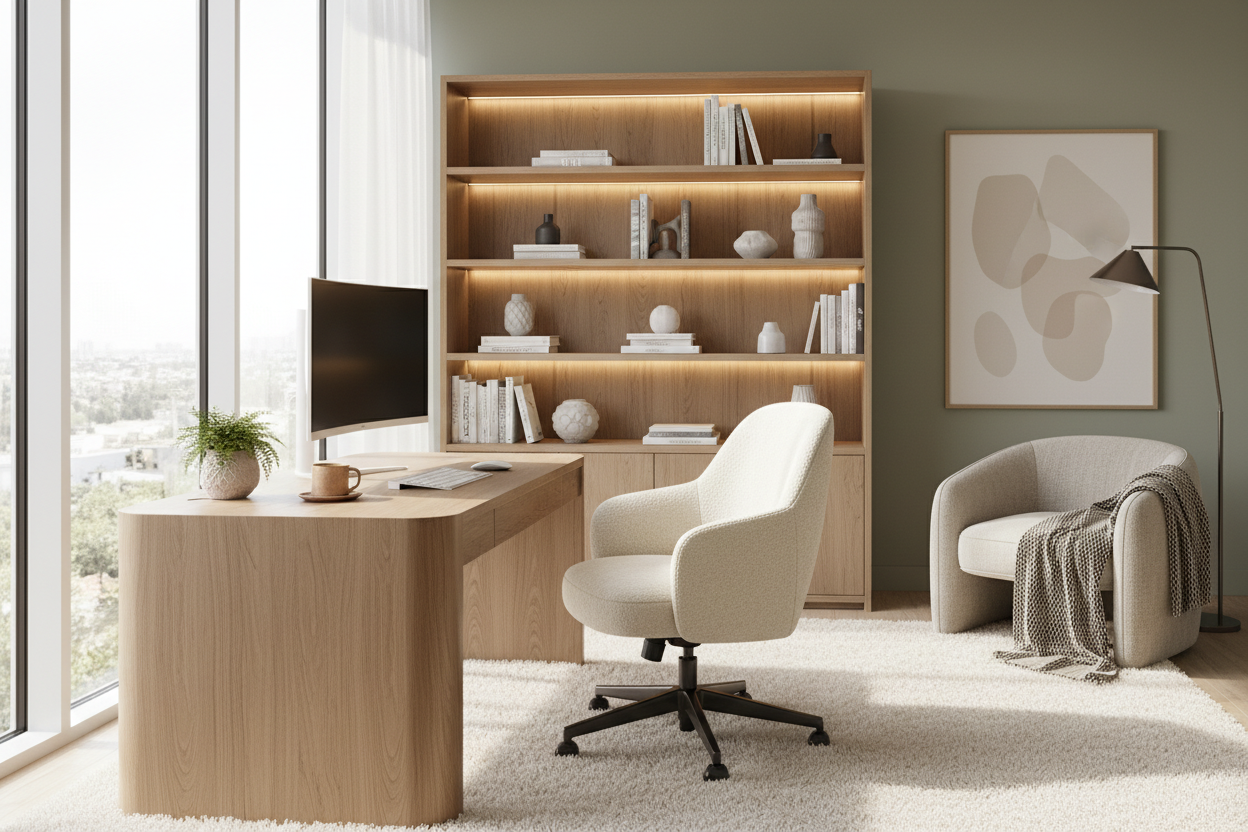
We often treat workspaces as purely utilitarian zones—places of stress, deadlines, and rigid posture. However, as a designer, I argue that the most productive environment is one that prioritizes human sensory needs. If you dread sitting at your desk, the design has failed, regardless of how expensive the furniture was. Creating a **comfortable office space** requires a shift in perspective: viewing the room not just as a place to work, but as a sanctuary for focus.
Key Features to Look For
- Ergonomic Integrity: Prioritize chairs with lumbar adjustability and seat-depth regulation over purely sculptural shapes.
- Lighting Temperature: Aim for 3000K (soft white) bulbs to balance task visibility with warmth; avoid clinical 4000K+ daylight bulbs in residential settings.
- Tactile Materials: Incorporate natural woods (walnut, oak) and soft textiles (wool, velvet) to soften acoustic reverberation.
- Visual Flow: Ensure clear circulation paths; a cramped layout increases subconscious stress levels.
- Personalized Zoning: Dedicate specific areas for deep work versus creative brainstorming or reading.
The Architecture of Comfort: Layout and Flow
When planning a home office redo, the first mistake most homeowners make is pushing the desk directly against a blank wall. This "time-out" position creates visual fatigue. Instead, position your desk to command the room—ideally facing the door or perpendicular to a window. This command position reduces vulnerability and allows natural light to wash over your workspace without causing direct glare on your monitor.
Solving the Small Space Dilemma
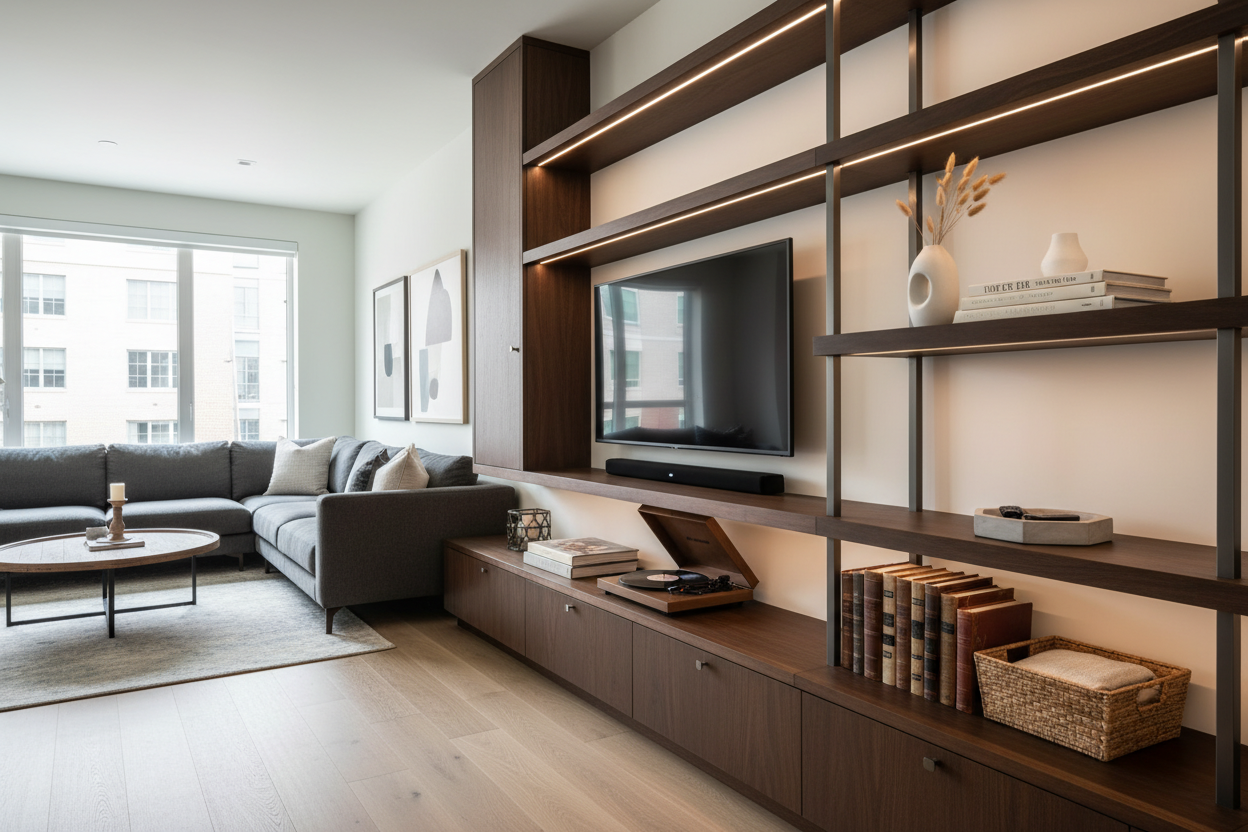
For those seeking cozy small office ideas, verticality is your best asset. Floor space is premium real estate. By utilizing floating shelves or a wall-mounted secretary desk, you maintain visible floor area, which tricks the eye into perceiving the room as larger. In tight quarters, avoid heavy, blocky furniture. Opt for pieces with "legs" rather than solid bases to maintain light flow and airiness.
Materiality: Choosing Textures That Soothe
A sterile environment kills creativity. To achieve that sought-after cosy office aesthetic, you must layer textures. This is where cozy office room ideas transition from Pinterest boards to reality. Start with the desk surface. Solid wood, like white oak or walnut, offers a warmth that glass or laminate cannot match. It ages beautifully and feels grounding to the touch.
For seating, while mesh is breathable, high-quality fabric or leather offers better tactile comfort for long hours. If you are looking for comfy office ideas that don't sacrifice professionalism, consider a chair upholstered in a commercial-grade wool blend. It regulates temperature better than synthetic polyester and adds a sophisticated, tailored look to the room.
Lighting: The Invisible Mood Setter
Never rely on a single overhead fixture. Ambient lighting is the secret to a luxury feel. Layer your lighting by combining a focused task lamp (for paperwork) with softer, dimmable floor lamps or sconces to fill the corners of the room. This reduces eye strain caused by the contrast between a bright screen and a dark room, creating a softer, more inviting atmosphere.
Lessons from My Own Projects
I learned the hard way that "aesthetic" comfort and "functional" comfort are often at war. In one of my early projects, I specified a stunning, vintage mid-century modern chair for a client who wanted a high-end look. It had beautiful teak armrests and bouclé upholstery.
Three months later, the client called. The bouclé fabric—while trendy and soft—was acting like Velcro for every crumb and dust particle, making the chair look perpetually dirty. Worse, the vintage teak armrests were fixed at a height that prevented the chair from tucking under the desk drawer. The client had to hunch forward to type. We replaced it with a modern ergonomic chair that had adjustable arms and a smooth, performance velvet. The lesson? Always measure the "clearance gap" between your thigh, the armrest, and the desk apron. And if you eat lunch at your desk, never buy bouclé.
Conclusion
Transforming a workspace isn't just about buying a new desk; it is about curating an experience. By blending ergonomic science with the softness of residential design, you create a space that pulls you in rather than pushing you away. A truly comfortable office is one where the design becomes invisible, leaving you free to create.
Frequently Asked Questions
What is the ideal desk depth for comfort?
For a standard setup with a laptop and monitor, a depth of 24 to 30 inches is ideal. Anything shallower than 24 inches creates cramping and leaves no room for wrist support or proper monitor distance, which causes eye strain.
How can I make a windowless office feel cozy, not dark?
In a windowless room, control the light temperature. Use 3000K LED bulbs and ensure you have multiple light sources (overhead, task, and accent). Adding a large mirror can also mimic a window by reflecting light and adding depth.
Is a standing desk worth it for a home office?
Yes, but visual integration is key. Many standing desks look industrial. Look for models that conceal the motor mechanisms and offer wood-veneer tops to maintain the warm, residential aesthetic of your room.

Leave a comment
This site is protected by hCaptcha and the hCaptcha Privacy Policy and Terms of Service apply.