











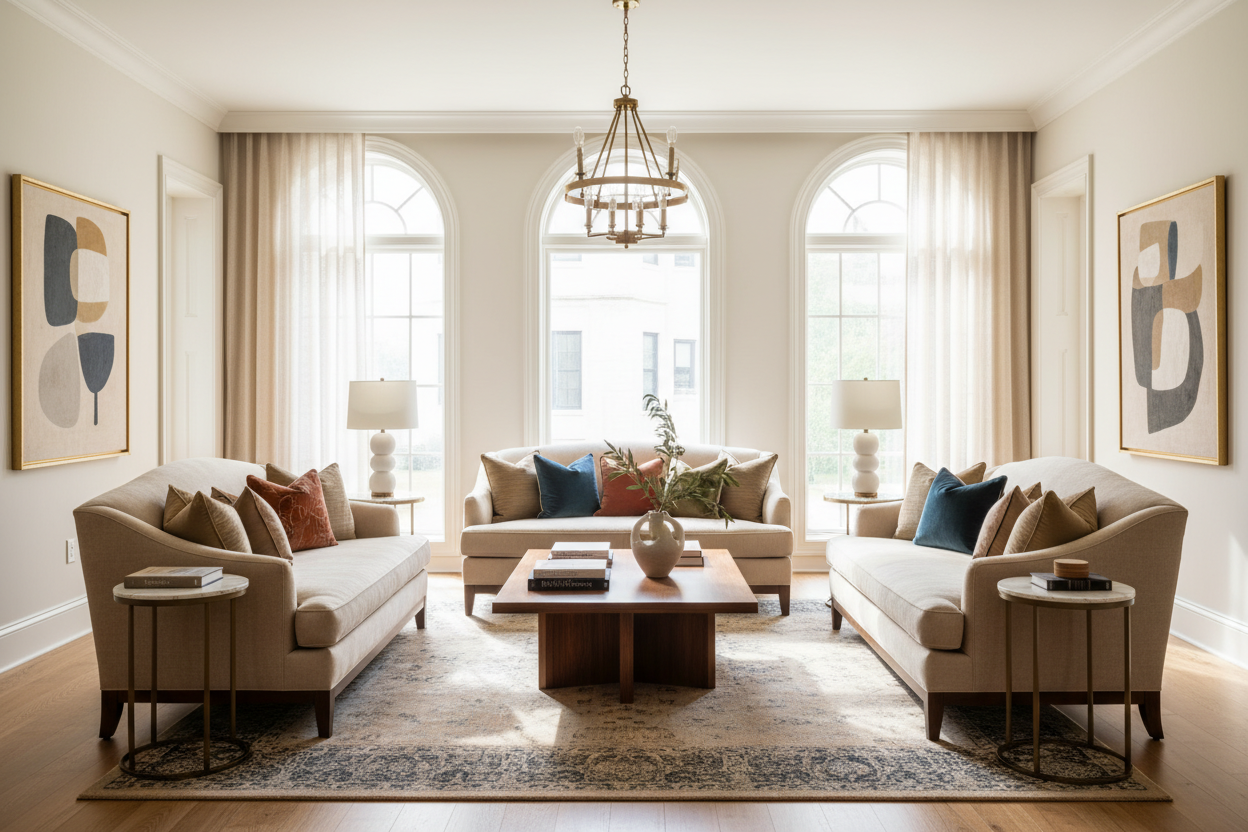
We often mistakenly clutter our sightlines with heavy, high-backed seating, forgetting that visual flow is just as important as physical comfort. The divan living room concept challenges the traditional sofa dominance, offering a sophisticated alternative that bridges the gap between a formal sitting area and a relaxed lounge. Whether you are aiming to preserve a panoramic window view or simply want to open up a cramped floor plan, a divan is a piece that demands a specific approach to styling and spatial planning.
Quick Decision Guide: Key Features to Look For
Before investing in this statement piece, consider these critical factors to ensure it suits your lifestyle:
- Visual Weight: Choose a divan with raised legs to maintain an airy feel in smaller rooms, or a plinth base for grounding larger spaces.
- Back Support Mechanisms: Since traditional backs are absent or low, prioritize weighted bolsters or fixed backrests to ensure ergonomic support.
- Upholstery Grade: Opt for high-rub count fabrics (Martindale rating 30,000+) as divans encourage lounging from all angles, increasing wear.
- Seat Depth: Ensure a depth of at least 22 inches if you plan to use it for lounging; shallower depths are better for formal sitting.
Mastering the Layout and Flow
The primary advantage of a divan is its lack of a distinct "front" and "back." This allows for 360-degree engagement with the room, but it also makes placement tricky. In a divan living room, avoid pushing the furniture against the wall. The silhouette of a divan is meant to be admired.
Float the piece in the center of the room or perpendicular to a fireplace. This setup invites conversation from adjacent spaces—such as a dining area or open kitchen—without a high sofa back creating a visual barrier. When selecting accompanying divan living room furniture, pair the piece with low-profile armchairs or transparent acrylic tables to maintain that unobstructed aesthetic.
Choosing the Right Material for Longevity
Texture and Durability
Because a divan often serves as a focal point, the fabric choice defines the room's character. Velvet is a classic choice for a divan, catching the light and emphasizing the curves of the bolster pillows. However, for high-traffic family rooms, a performance linen or a tight-weave bouclé offers resilience against spills while adding necessary tactile warmth.
The Cushioning Factor
Unlike a standard sofa where you might sink in, a divan requires a firmer seat deck. Look for high-density foam wrapped in down. This construction prevents the seat from looking "puddled" or messy after use—a crucial detail for a piece of furniture that is exposed on all sides. A saggy divan instantly makes a room look unkempt.
Styling for Height and Balance
Since divans are generally lower to the ground, you must compensate for the lack of vertical height elsewhere in the room. If your seating is low, balance the room with tall floor lamps, oversized artwork, or floor-to-ceiling drapery. This draws the eye upward and prevents the room from feeling bottom-heavy. Layering rugs is another effective technique; place the divan on a large, neutral rug and layer a smaller, textured hide or vintage rug at an angle underneath to anchor the zone.
Lessons from My Own Projects
I learned the hard way that while divans are aesthetically stunning, the "bolster slide" is a real issue. In a project for a client in a downtown loft, we installed a beautiful, custom-made silk velvet divan to sit in front of floor-to-ceiling windows. It looked incredible in photos.
However, two weeks later, the client called to say that every time they leaned back to read, the loose bolster pillows would slide away, leaving them with zero back support. We hadn't accounted for the slickness of the velvet against the smooth cushion.
I had to have the upholsterer retroactively add weighted cores to the bolsters and a strip of non-slip rubberized fabric on the underside of the pillows. It was a small, invisible detail that completely changed the usability of the piece. Now, when I specify a divan, I always check the friction between the cushion and the bolsters—if it slides too easily in the showroom, it will be a nuisance in your home.
Conclusion
Integrating a divan into your living space is a bold design move that pays off in elegance and versatility. By carefully considering the layout, material durability, and visual balance, you can create a room that feels both open and inviting. It is about choosing pieces that serve the architecture of your home while providing a comfortable sanctuary.
Frequently Asked Questions
What is the difference between a divan and a daybed?
While often used interchangeably, a daybed typically has a three-sided frame (two ends and a back) resembling a sofa-bed hybrid. A divan usually has no back or a partial back and relies on bolsters for support, offering a more open, bench-like silhouette.
Can a divan replace a main sofa in a living room?
Yes, but with caveats. It works best in formal living rooms or sitting areas where conversation is the goal. For media rooms intended for long movie marathons, a traditional deep sofa with full back support is generally more ergonomic.
How do I style pillows on a divan without it looking cluttered?
Adhere to the rule of odd numbers. Use two structural bolsters for armrests/back support, and add one or three lumbar pillows for texture. Avoid large square euro-shams, as they can overwhelm the low profile of the furniture.

Leave a comment
This site is protected by hCaptcha and the hCaptcha Privacy Policy and Terms of Service apply.