










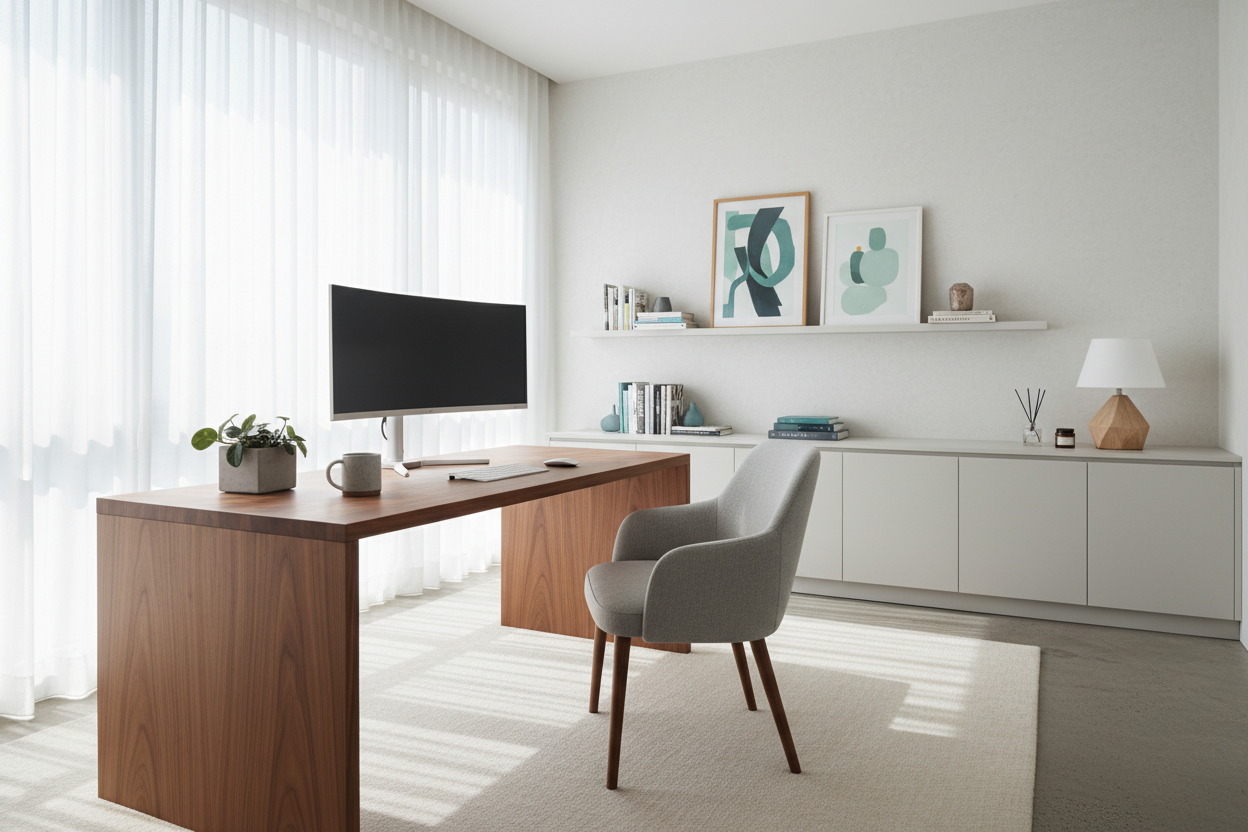
We have all attempted to work from the dining room table or a makeshift corner of the sofa, only to realize that long-term focus requires a dedicated environment. The difference between a temporary workspace and a productivity sanctuary lies in intentional design. Whether you are carving out a niche in a studio apartment or renovating a spare room, creating great home offices is about balancing ergonomic function with an aesthetic that reflects your professional identity.
Key Features to Look For
- Ergonomics First: Prioritize a chair with adjustable lumbar support and seat depth over pure aesthetics.
- Lighting Layers: Combine ambient overhead lighting with focused task lighting to reduce eye strain.
- Material Durability: Choose work surfaces (solid wood, high-pressure laminate) that resist scratches and heat.
- Acoustics: Incorporate soft furnishings like rugs or drapery to dampen echo and improve audio quality for calls.
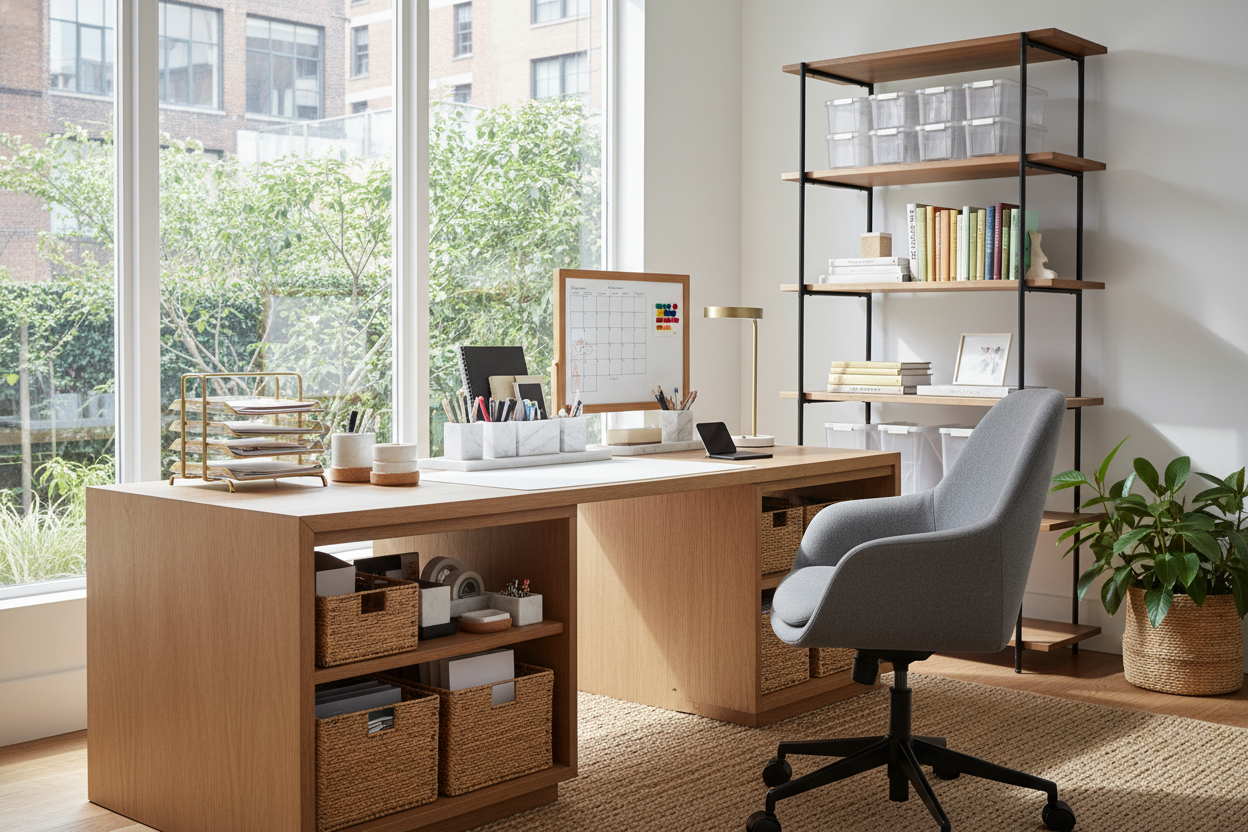
- Storage Solutions: Vertical shelving or mobile pedestals are essential for maintaining a clear, distraction-free desk.
Mastering Space Planning and Layout
The foundation of any workspace is the floor plan. A realistic home office considers the flow of movement. Ideally, your desk should command the room—this is often called the "power position," facing the door but not directly in line with it. This setup reduces subconscious anxiety about what is happening behind you.
The Simple Home Office Approach
If square footage is at a premium, simplicity is your ally. A simple home office does not mean sparse; it means curated. Look for a writing desk with a slender silhouette to maintain visual lightness. Wall-mounted floating desks are excellent for keeping the floor visible, which tricks the eye into perceiving the room as larger.
Choosing the Right Materials
As a specialist, I often see clients undervalue the tactile experience of their furniture. The surface you touch for eight hours a day matters.
Wood vs. Laminate vs. Glass
For a sophisticated home office, solid wood like walnut or white oak offers warmth and gains character with age. However, high-quality veneers are a practical alternative that provides the same look without the risk of seasonal warping. While glass desks can look sleek, they are often cold to the touch and prone to fingerprints, making them high-maintenance for daily use.
Lighting and Visual Balance
Awesome home office designs are rarely the result of furniture alone; lighting plays a massive role. Avoid relying solely on recessed can lights, which cast shadows on your work surface. Instead, introduce a desk lamp with an adjustable arm. For a touch of home office creative flair, consider a statement pendant light that acts as a focal point, drawing the eye up and adding vertical interest.
Lessons from My Own Projects
I want to share a specific realization from a recent renovation I did for my own workspace. I initially fell in love with a matte black, soft-touch laminate desk. It looked incredible in photos and screamed "modern luxury."
However, within two weeks, I regretted it. The "soft-touch" finish was a magnet for skin oils. Every time I rested my wrists to type, it left a shiny patch that required constant cleaning. Furthermore, I didn't account for the cable management of my dual-monitor setup. Because the desk had an open back with no modesty panel or integrated tray, the wires looked chaotic against the white wall behind it. I ended up having to retrofit a cable spine and switch to a textured wood desk pad just to maintain sanity. When browsing great home office ideas, always ask yourself: How will this look at 4 PM on a busy Tuesday, not just on installation day?
Conclusion
Building a workspace is an investment in your career and your mental well-being. By selecting materials that age gracefully and prioritizing a layout that supports your workflow, you create an environment where work feels less like a chore and more like a craft. Take the time to measure, test the seating, and plan your lighting.
Frequently Asked Questions
How do I make a small home office look expensive?
Focus on a cohesive color palette and texture. A sophisticated home office often uses a monochromatic scheme with varying textures (e.g., a velvet chair paired with a wood desk). Also, hide your cords; visible wiring is the quickest way to cheapen a room's aesthetic.
What is the ideal desk depth for a computer setup?
For a laptop only, 24 inches is sufficient. However, if you use an external monitor, aim for a depth of 30 inches. This ensures the screen is an arm's length away, preventing eye strain and leaving room for a keyboard and notepad.
Is a standing desk worth the investment?
Absolutely. The ability to shift posture throughout the day is critical for long-term health. If a full sit-stand mechanism ruins your design vision, look for home office creative solutions like desktop converters or drafting-height tables paired with architectural stools.

Leave a comment
This site is protected by hCaptcha and the hCaptcha Privacy Policy and Terms of Service apply.