










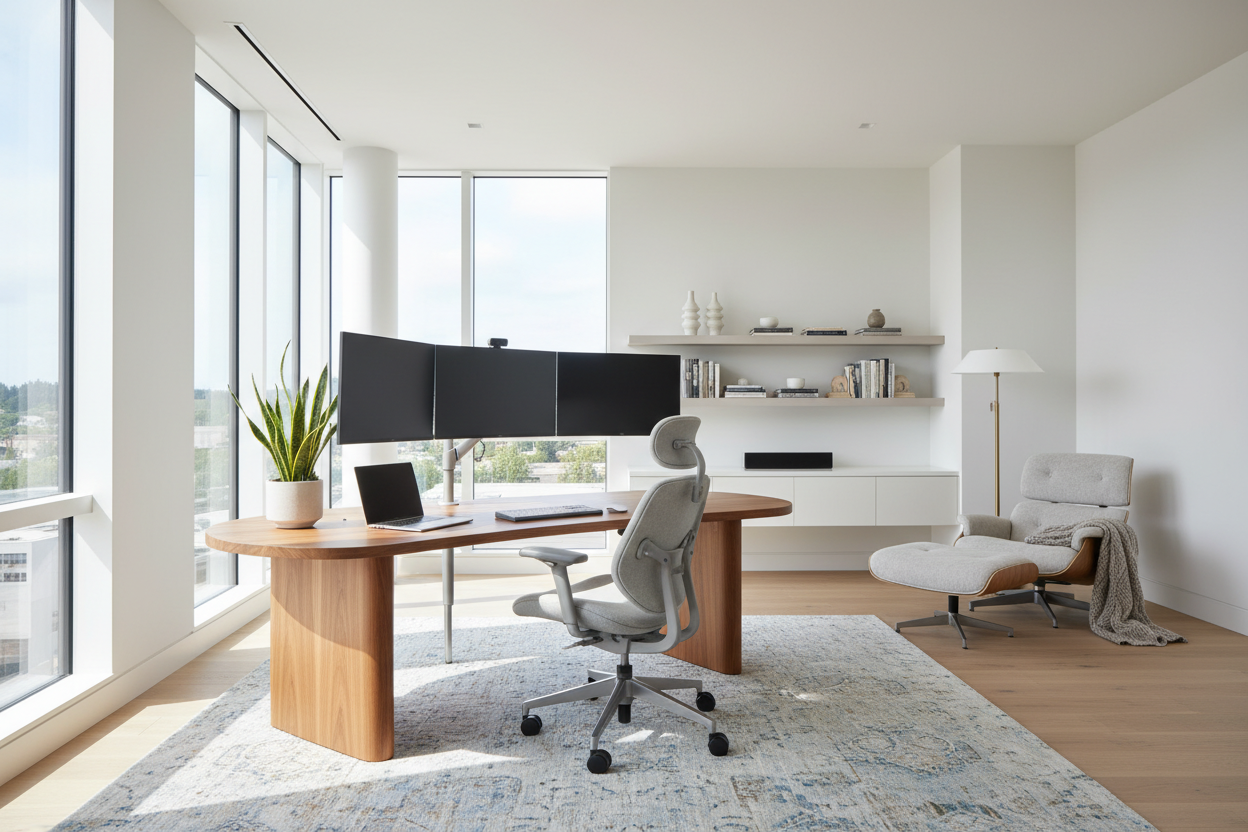
The shift in how we approach our careers has fundamentally changed our domestic landscapes. As you spend hours looking for at home work, you likely realize that the kitchen island or the sofa is not a sustainable command center. Whether you are polishing your resume or setting up for video interviews, the environment you inhabit directly influences your focus, posture, and professional mindset. As a designer, I tell my clients that a dedicated workspace isn't just about furniture; it is about carving out a zone of productivity within your personal sanctuary.
Quick Decision Guide: The Essentials
- Ergonomics First: Prioritize a chair with adjustable lumbar support and seat depth over pure aesthetics.
- Desk Dimensions: Ensure a minimum depth of 24 inches to accommodate monitors without straining your eyes.
- Lighting Layers: Combine ambient overhead lighting with task lighting to reduce screen glare.
- Materiality: Opt for matte finishes on desktops to prevent distracting reflections during video calls.
- Acoustics: Incorporate soft textiles (rugs, curtains) to dampen echo for professional audio quality.
Zoning Your Space for Professionalism
When clients tell me, "I want a work from home job," my first question is not about their industry, but about their square footage. Defining a distinct boundary between "living" and "working" is crucial. If you do not have a spare room, use a console table behind a sofa or a floating shelf in a quiet alcove. The goal is to create a psychological switch that turns on when you sit down. Unlike jobs close to home where the commute provides a transition period, your design layout must provide that mental separation.
Choosing the Right Materials: Durability Meets Style
The tactile experience of your furniture plays a massive role in comfort. For the desk surface, solid wood (like walnut or white oak) offers warmth and longevity, though it requires coasters to prevent water rings. High-quality veneers are a cost-effective alternative but check the edge banding—poorly applied edges will peel within a year.
The Chair: Your Primary Investment
If you want work from home jobs that require sitting for eight hours, a dining chair will not suffice. Look for a task chair with a breathable mesh back or high-grade fabric. Avoid cheap bonded leather; it retains heat and tends to crack after a few seasons of daily use. The silhouette should support the natural S-curve of your spine.
Lighting and Video Call Aesthetics
For those targeting only jobs work from home, your video background is essentially your dress code. Avoid positioning your desk with a window directly behind you, as this creates a silhouette effect. Instead, position the desk facing the window or perpendicular to it. Use warm white bulbs (2700K-3000K) in your task lamps to avoid the sterile, hospital-like cast of cool blue light. A well-lit, organized background signals reliability to prospective employers.
My Personal Take on looking for at home work Setups
I learned a hard lesson early in my career regarding desk surfaces. I once specified a stunning, high-gloss black lacquer desk for a client who was transitioning to remote consulting. Visually, it was architectural and sleek. Practically, it was a disaster. Every time she rested her wrists on the surface to type, it left oily smudges, and her optical mouse struggled to track on the reflective finish. She had to use a massive desk pad that covered the beautiful finish just to get work done. Now, I always advise clients to test the "touch" of a surface. If it feels cold to the forearm or shows fingerprints instantly, it’s going to annoy you daily, no matter how good it looks in a catalog.
Conclusion
Curating a space while you are looking for at home work is an investment in your future performance. By selecting ergonomic pieces and managing your lighting and layout, you create an environment that fosters success. Don't wait until you have the offer letter to think about your chair; build the foundation now.
Frequently Asked Questions
How much space do I really need for a home office?
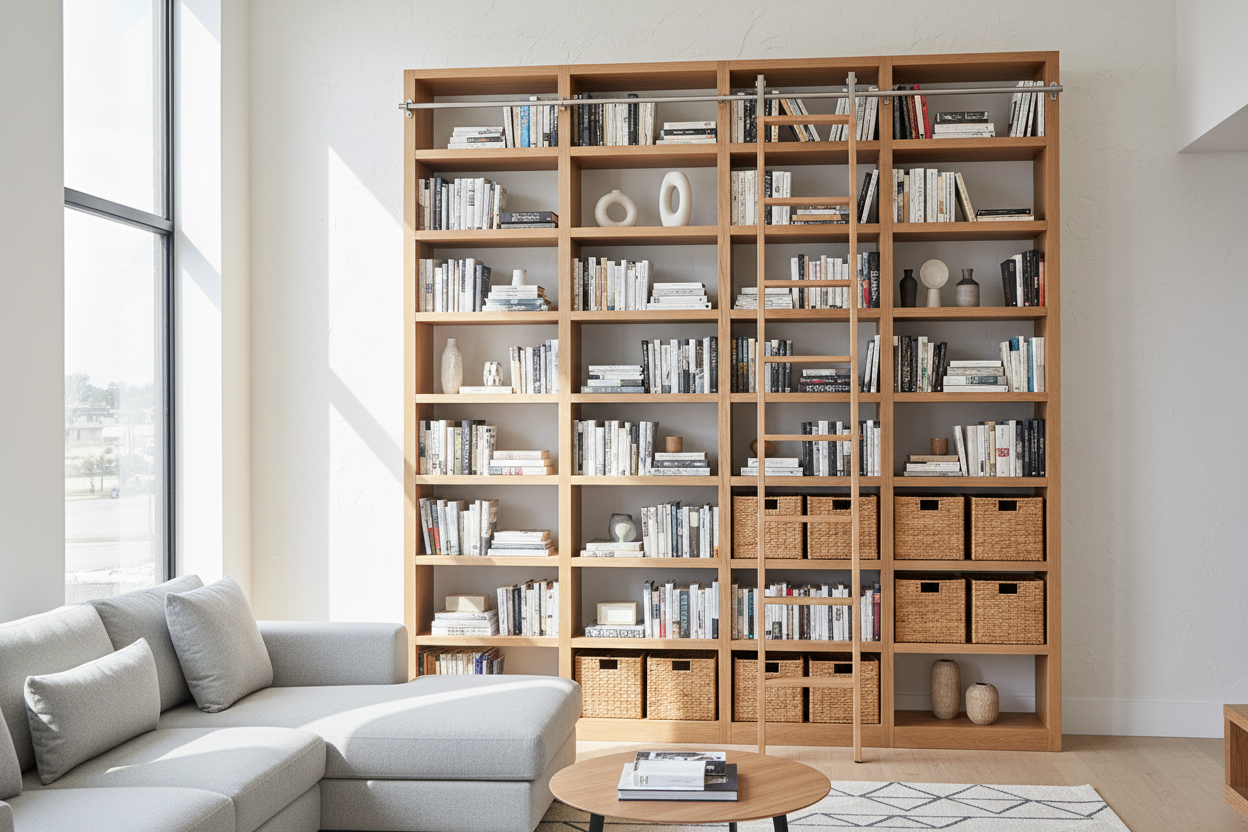
You don't need a whole room. A wall space of about 48 inches wide is sufficient for a standard desk and a small filing cabinet. Vertical shelving can maximize utility in a small footprint.
Is a standing desk worth the investment?
Yes, specifically for long-term health. However, ensure the mechanism is quiet and stable. Many budget options wobble at full height, which disrupts concentration.
How do I hide cables in an open floor plan?
Look for desks with integrated cable management channels or "modesty panels." Alternatively, use cable sleeves that match your wall color to run cords down the leg of the desk invisibly.

Leave a comment
This site is protected by hCaptcha and the hCaptcha Privacy Policy and Terms of Service apply.