










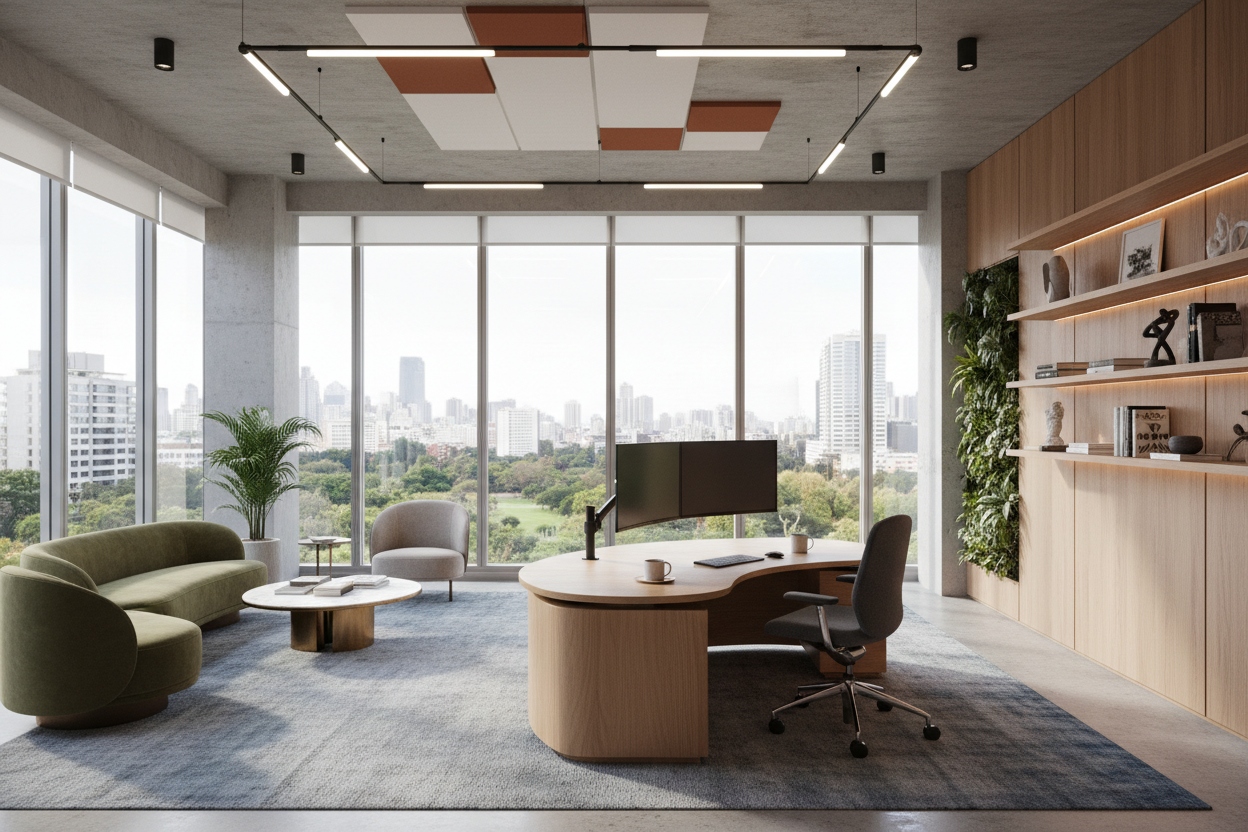
The era of the sterile, fluorescent-lit cubicle farm is officially over. Today, the environment in which you work is recognized as a critical component of your output, mental health, and creativity. The challenge, however, lies in distinguishing between a space that simply looks trendy on social media and one that actually functions for an eight-hour workday. As a designer, I often see clients prioritize aesthetic gimmicks over structural comfort, leading to spaces that dazzle the eye but wreck the back. This guide explores practical, sophisticated cool offices ideas that bridge the gap between high-end design and ergonomic necessity.
Key Features of High-Performing Workspaces
Before selecting furniture or paint swatches, consider these core pillars of modern office design. These elements define the difference between a chaotic room and a productive sanctuary.
- Ergonomic Integrity: Prioritize chairs with lumbar support and adjustable seat depth over purely sculptural pieces.
- Lighting Layers: A mix of ambient (overhead), task (desk lamps), and accent lighting to reduce eye strain.
- Acoustic Control: Use of soft textiles, rugs, or acoustic panels to dampen echo in great office spaces.
- Biophilic Elements: Integrating live plants or natural wood textures to lower stress levels.
- Flow & Zoning: Distinct areas for deep work, collaboration, and rest.
Zoning: The Secret to Functional Layouts
Whether you are outfitting a corporate headquarters or a home study, the layout dictates the energy. Cool office building designs often utilize "neighborhoods"—distinct zones tailored to specific tasks. In a smaller footprint, this might mean positioning your desk perpendicular to a window to maximize natural light without glare, while designating a separate corner with a lounge chair for reading or calls.
For cool office spaces ideas regarding layout, consider the "resimercial" trend. This blends residential comfort with commercial durability. Instead of a stiff conference table, opt for a solid wood dining-style table that invites collaboration but can withstand coffee spills and laptop scratches. The goal is to create a visual break from the rigid "work" aesthetic.
Materiality: Choosing Textures That Last
A trendy office space often relies on a mix of raw and refined materials. However, durability is paramount. When selecting desk surfaces, solid hardwoods like walnut or oak offer warmth and can be refinished over time. In contrast, cheaper veneers may peel at the edges within a year of heavy use.
For seating in fun office space designs, look for high-performance fabrics. Velvet adds a touch of luxury and sound absorption, but ensure it is a commercial-grade synthetic blend to resist crushing. Metals should have a matte or brushed finish; high-polish chrome can create distracting reflections under task lighting.
Lighting: The Mood Maker
Nothing kills the vibe of a cool work space faster than harsh 4000K overhead LEDs. To achieve a sophisticated look, layer your lighting. Start with a warm ambient light (around 3000K). Add a functional task lamp with an articulated arm for precision work. Finally, consider accent lighting, such as LED strips behind a monitor or under shelves, to add depth and reduce contrast strain on your eyes. This approach transforms unusual office spaces, like converted attics or basements, into inviting studios.
Injecting Personality: The "Fun" Factor
New office ideas often center on company culture or personal identity. However, fun office space ideas shouldn't just mean a ping-pong table nobody uses. Instead, focus on "third places" within the office—a coffee bar with artisanal tiles, a listening station with vinyl records, or a gallery wall featuring local art. These elements encourage micro-breaks that actually recharge the brain.
My Personal Take on cool offices ideas
I once designed a boutique agency space where the client was adamant about having those trendy, clear acrylic "ghost" chairs for their conference room. They wanted that sleek, modern, cool office building aesthetic. Against my better judgment regarding comfort, we installed them.
Three months later, I visited for a follow-up. The chairs looked terrible—micro-scratches from rivets on jeans made them look cloudy, and fingerprints were visible from across the room. More importantly, the staff avoided the room because the hard plastic had zero give and became sweaty after twenty minutes. We ended up replacing them with upholstered mid-century style chairs. The lesson? Never sacrifice tactile comfort for a visual "wow" factor. If you can't sit in it for a two-hour strategy meeting, it doesn't belong in your office, no matter how cool it looks on Pinterest.
Conclusion
Creating a workspace that resonates requires looking past the initial visual impact and understanding how the space feels to inhabit. By focusing on quality materials, proper lighting layers, and ergonomic support, you can implement cool offices ideas that serve your workflow for years to come. Design is not just about what you see; it’s about how well you work.
Frequently Asked Questions
How do I make a small room feel like a cool office space?
Focus on verticality. Use floor-to-ceiling shelving to draw the eye up and keep the floor clear. Opt for a "floating" desk mounted to the wall to increase the perception of floor space, and use a large mirror to reflect light.
Are open-plan layouts still considered great office spaces?
The trend is shifting. While open plans encourage collaboration, they destroy focus. The modern approach is a hybrid model: open areas for teams, but with ample sound-proofed phone booths and private nooks for deep work.
Is it worth investing in a standing desk for a trendy office space?
Absolutely. Beyond the trend, the health benefits of alternating between sitting and standing are well-documented. Look for electric dual-motor models for stability; manual cranks often become tedious to use and end up staying in one position permanently.

Leave a comment
This site is protected by hCaptcha and the hCaptcha Privacy Policy and Terms of Service apply.