










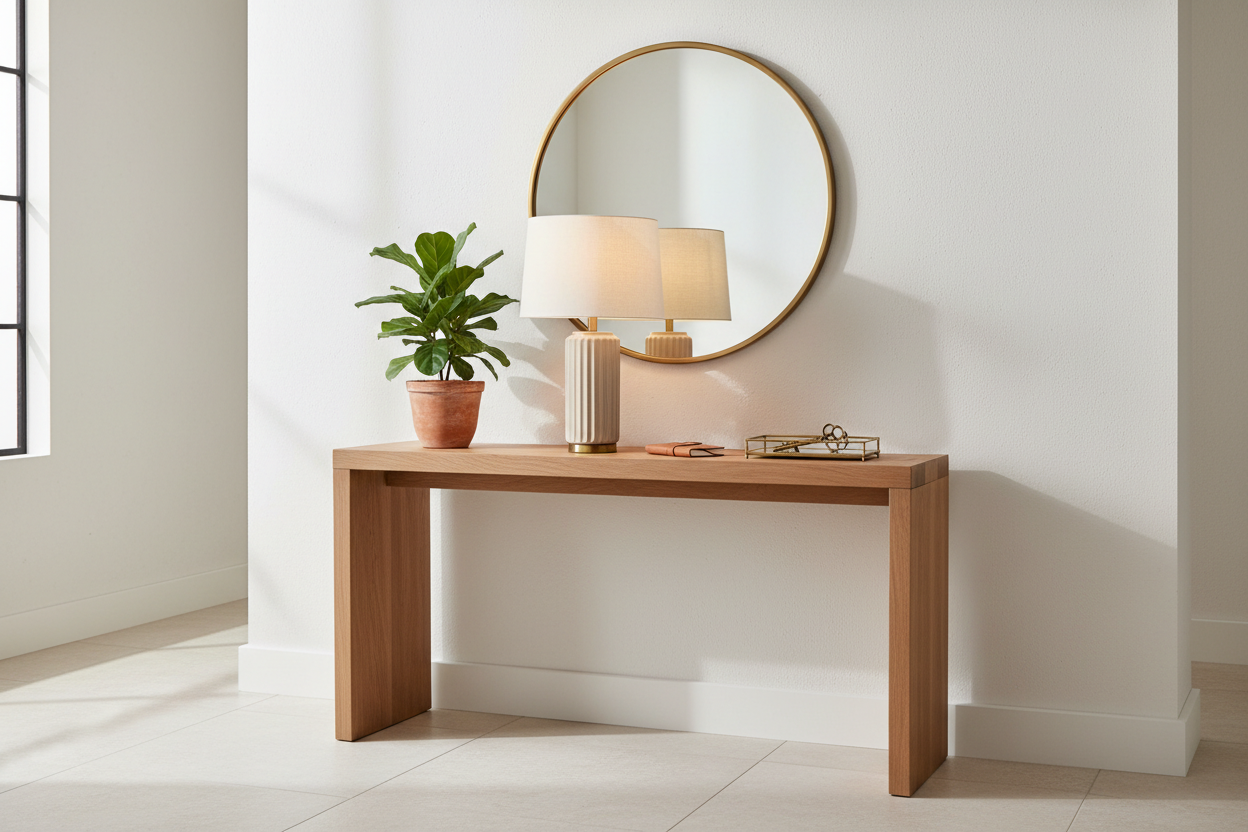
Your entryway sets the emotional tone for the rest of your home. It is the transition point between the chaotic outside world and your personal sanctuary. At the heart of this space usually sits a piece of furniture that serves both as a functional drop zone and a stylistic anchor. Choosing the right piece is not just about finding something that fits; it is about understanding how you live and what you want that first glimpse of your interior to say. The ideal choice balances scale, material, and utility to create a welcoming atmosphere without cluttering the path.
Understanding Scale and Flow
Before you fall in love with a specific design, you must map out the dimensions of your entryway. The most common error homeowners make is ignoring the traffic flow. A table in foyer settings should never obstruct the natural walking path or prevent the front door from opening fully. You generally need a minimum of 30 to 36 inches of clearance between the edge of the furniture and the opposite wall or door swing.
For narrow hallways, a console table is usually the best bet. These are typically shallow, ranging from 12 to 18 inches in depth, allowing you to maximize surface area without encroaching on floor space. However, if you are blessed with a grand, square entry, a round center table can create a dramatic focal point. This layout encourages circulation around the perimeter and feels decidedly high-end. When measuring, don't forget height. Most standard consoles sit between 30 and 36 inches high. If the piece is too low, it looks like a coffee table lost in the hallway; too high, and it feels like a kitchen counter.
Defining the Function
Ask yourself what happens when you walk through the door. Do you immediately drop your keys, sunglasses, and mail? Or do you hang everything in a closet and just need a spot for a beautiful vase of flowers? Your habits dictate the type of entry foyer table you require.
If clutter is your nemesis, look for pieces with storage. Drawers are essential for hiding mail, dog leashes, and spare keys. A lower shelf offers a perfect spot for baskets to hold shoes or umbrellas. Conversely, if the goal is purely aesthetic, you have more freedom to choose open, sculptural bases that make the room feel airier. Glass or acrylic tops are excellent for small spaces because they disappear visually, making the area feel larger than it is.
The Unexpected Utility of a Desk
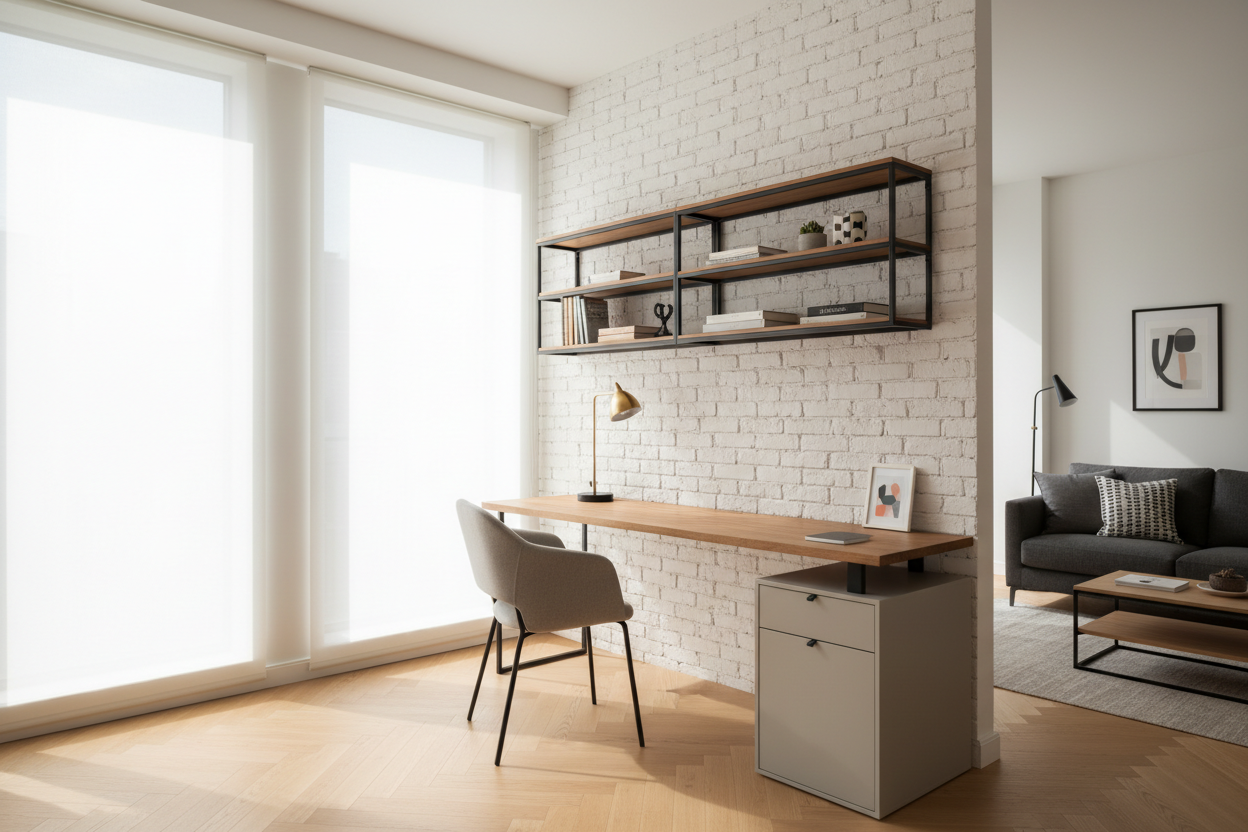
In smaller homes or apartments where square footage is premium real estate, dual-purpose furniture is a lifesaver. Using a foyer desk instead of a traditional console is a design move that is gaining traction. A small writing desk offers the same surface area for lamps and decor but provides a dedicated spot to sit and write a quick note, organize bills, or even work from home in a pinch.
To pull this off, pair the desk with a small stool that can tuck completely underneath when not in use. This maintains the sleek profile of the entryway while keeping the functionality accessible. It transforms a pass-through space into a usable room.
My Experience with Scale
I learned the hard way that measurements on paper don't always translate to how a piece feels in the room. Years ago, I bought a gorgeous, heavy oak sideboard for my entryway. I measured the width and depth, and technically, it fit. However, the piece was visually heavy—a solid block of wood that went all the way to the floor. Once it was in place, the entry felt claustrophobic. The dark wood absorbed all the light, and the lack of legs made the hallway feel significantly narrower. I replaced it six months later with an open-frame metal console with a stone top. The difference was night and day. The open space beneath the table allowed light to travel through, restoring the sense of flow. It was a costly lesson in visual weight versus physical dimensions.
Selecting Materials for Impact
The material you choose helps define the home's personality. For a modern, industrial look, blackened steel or iron works wonders. If you are aiming for a warm, organic feel, look for light oaks or reclaimed woods. For those seeking a truly elegant foyer table, nothing beats the combination of brass and marble. The cool touch of the stone paired with the warmth of the metal creates an instant sense of luxury.
Durability matters here, too. This is a high-traffic zone. If you have young children or pets, a mirrored surface might result in constant cleaning of fingerprints and nose smudges. A distressed wood or a matte stone finish is far more forgiving of daily wear and tear.
Styling the Surface
Once you have selected the right table for foyer area placement, the fun part begins: styling. A naked table looks unfinished, but a cluttered one looks messy. The secret lies in grouping and height variation.
- Lighting: A lamp is non-negotiable. It provides a soft, welcoming glow that overhead lights cannot match. If you don't have an outlet nearby, look for high-quality rechargeable cordless lamps.
- The Anchor: Place a large mirror or a piece of art on the wall above the table. This draws the eye up and expands the visual space.
- Organic Element: Always include something alive. Fresh flowers are lovely, but high-quality faux stems or a sculptural branch in a heavy vase work just as well and require less maintenance.
- The Landing Strip: Use a tray. A tray corrals small items like keys and loose change, turning potential clutter into a deliberate vignette.
Keep the arrangement dynamic. If your lamp is tall, balance it on the other side with a stack of books or a lower bowl. Asymmetry often feels more modern and relaxed than perfect symmetry.
Making the Final Decision
Ultimately, the table foyer selection process is about merging your lifestyle needs with your design aspirations. Don't rush the purchase. Use painter's tape to mark out the dimensions on your floor and live with it for a few days. Walk past it, pretend to drop your keys on it, and see if the footprint annoys you. The perfect piece will feel like it has always been there, welcoming you home every single day.
Frequently Asked Questions
How tall should a mirror be above a foyer table?
A general rule of thumb is to hang the mirror so the bottom edge is 6 to 8 inches above the tabletop. The mirror itself should be roughly two-thirds to three-quarters the width of the table to maintain proper visual balance. This ensures the two pieces look like a cohesive unit rather than separate floating objects.
Can I put a round table in a small foyer?
It is risky but possible if the proportions are right. You need at least 3 feet of walking space around the perimeter of the table. If your foyer is too tight for a central round table, consider a demi-lune (half-moon) table placed against the wall, which offers the soft curves of a round table without blocking the flow.
What should I do if my front door opens directly into the living room?
Create an artificial entryway by placing a console table against the back of a sofa that faces the door. This acts as a divider, establishing a visual "entry zone" where you can place a lamp and a tray for keys, effectively distinguishing the arrival area from the living space.

Leave a comment
This site is protected by hCaptcha and the hCaptcha Privacy Policy and Terms of Service apply.