










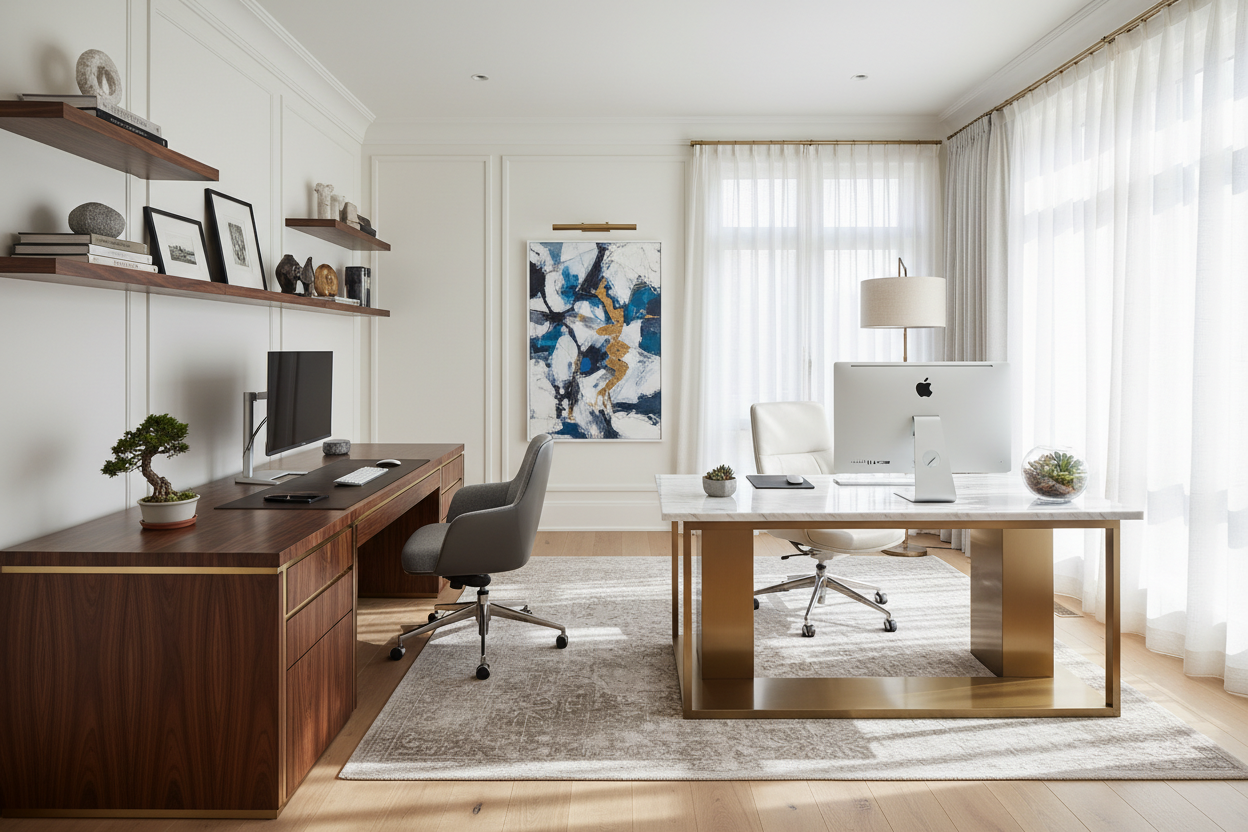
Does your current workspace inspire productivity, or does it feel like a chaotic afterthought? As an interior designer, I often see homeowners treat their workspace as purely utilitarian, ignoring the profound impact of aesthetics on workflow. The intersection of desk and design is about more than just a surface to hold your laptop; it is about creating an environment that balances ergonomic necessity with visual harmony.
Quick Decision Guide: Key Features to Look For
- Scale and Proportion: Ensure the desk footprint allows for at least 36 inches of clearance behind your chair for movement.
- Material Integrity: Prioritize solid hardwoods or high-pressure laminates over cheap particle board for longevity.
- Cable Management: Look for integrated grommets or hidden channels to maintain a clean visual profile.
- Surface Texture: Avoid overly textured surfaces if you do a lot of handwriting; opt for smooth satin finishes.
- Leg Configuration: Check that leg placement doesn't interfere with your preferred chair width or legroom.
Choosing the Right Material: Texture and Durability
When curating furniture for a dedicated workspace, the tactile experience is paramount. A designer work table acts as the anchor of the room, so the material must withstand daily abuse while aging gracefully.
Solid Wood vs. Veneer
Solid wood, particularly walnut or white oak, offers a warmth and gravity that synthetic materials cannot replicate. Over time, it develops a patina that adds character. However, high-quality veneers are a practical alternative for achieving complex grain patterns without the susceptibility to warping in fluctuating humidity.
Glass and Metal
For smaller rooms, a glass top can reduce visual weight, making the space feel larger. However, be mindful of the "cold" factor—resting forearms on cold glass for eight hours can be uncomfortable. Metal desks offer an industrial edge but ensure they have a matte finish to prevent distracting glare from overhead lighting.
Balancing Form and Function
The silhouette of your desk dictates the mood of the room. We are seeing a shift away from bulky executive styles toward lighter, more architectural forms.
The Rise of the Minimalist Silhouette
An office desk simple design is often the best choice for maintaining mental clarity. Clean lines and open leg structures prevent the room from feeling heavy. This is particularly important if your office doubles as a guest room or living area. The goal is to reduce visual noise so your focus remains on the task at hand.
Integrating Ergonomics with Style
New desk designs are finally solving the aesthetic issues associated with sit-stand mechanisms. Look for desks where the motor mechanism is concealed within the leg column. The best designs seamlessly hide the technology, allowing you to prioritize your health without making your home look like a corporate call center.
Space Planning and Layout
Even the most beautiful desk will fail if the layout is flawed. Placement is the unsung hero of interior design.
The Command Position
Never face a wall if you can avoid it. Position your desk so you have a view of the door—a concept known as the "command position." This reduces subconscious anxiety and creates a sense of authority.
Solutions for Compact Spaces
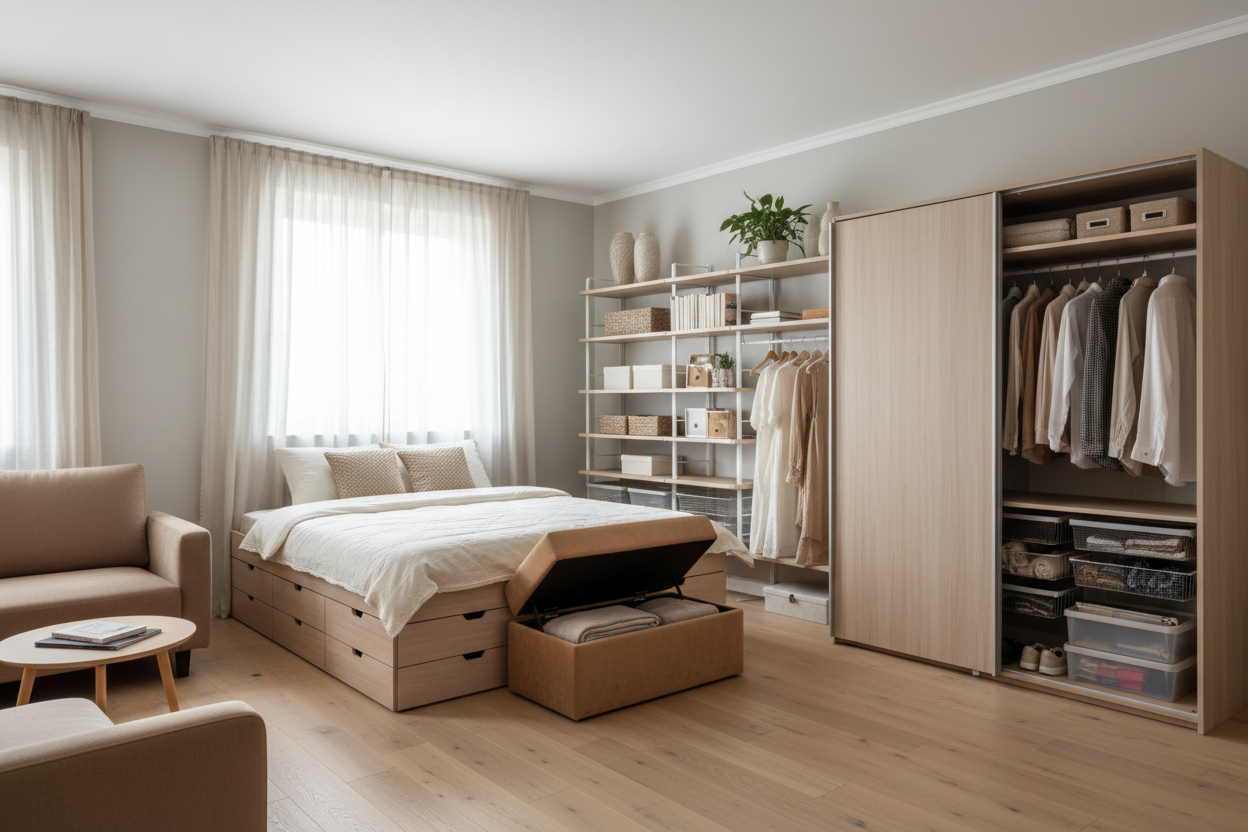
For urban apartments, study desks designs have evolved to be multifunctional. We often utilize floating desks or wall-mounted secretaries that can be closed up when the workday ends. This psychological separation between "work mode" and "home mode" is crucial for mental well-being in small footprints.
Lessons from My Own Projects: The "Wobble" Factor
I want to share a specific lesson learned from a project in a high-rise downtown. I specified a stunning, sculptural writing desk that looked like a piece of art. It had a single cantilevered leg—absolutely beautiful in photos.
However, within a week, the client called me. While the desk was stable enough to hold a computer, the slight vibration every time they typed on their mechanical keyboard was driving them insane. It wasn't a structural failure; it was a lack of rigidity in the design phase. I learned then that for heavy typists or those using monitor arms, a four-leg or trestle base is non-negotiable. Now, when I shop for clients, I physically lean my weight on the corner of the desk in the showroom. If there is even a millimeter of lateral give, I walk away. Stability is a luxury you cannot compromise on.
Conclusion
Investing in the right desk is an investment in your daily peace of mind. By prioritizing material quality, appropriate scale, and a design that speaks to your personal aesthetic, you transform a chore into a ritual. Don't settle for temporary furniture; choose a piece that commands respect.
Frequently Asked Questions
What is the ideal height for a home office desk?
The standard height is between 28 to 30 inches. However, ergonomic alignment is personal; your elbows should rest at a 90-degree angle when typing. If you are taller or shorter than average, an adjustable desk or a chair with a significant height range is essential.
How do I style a desk without it looking cluttered?
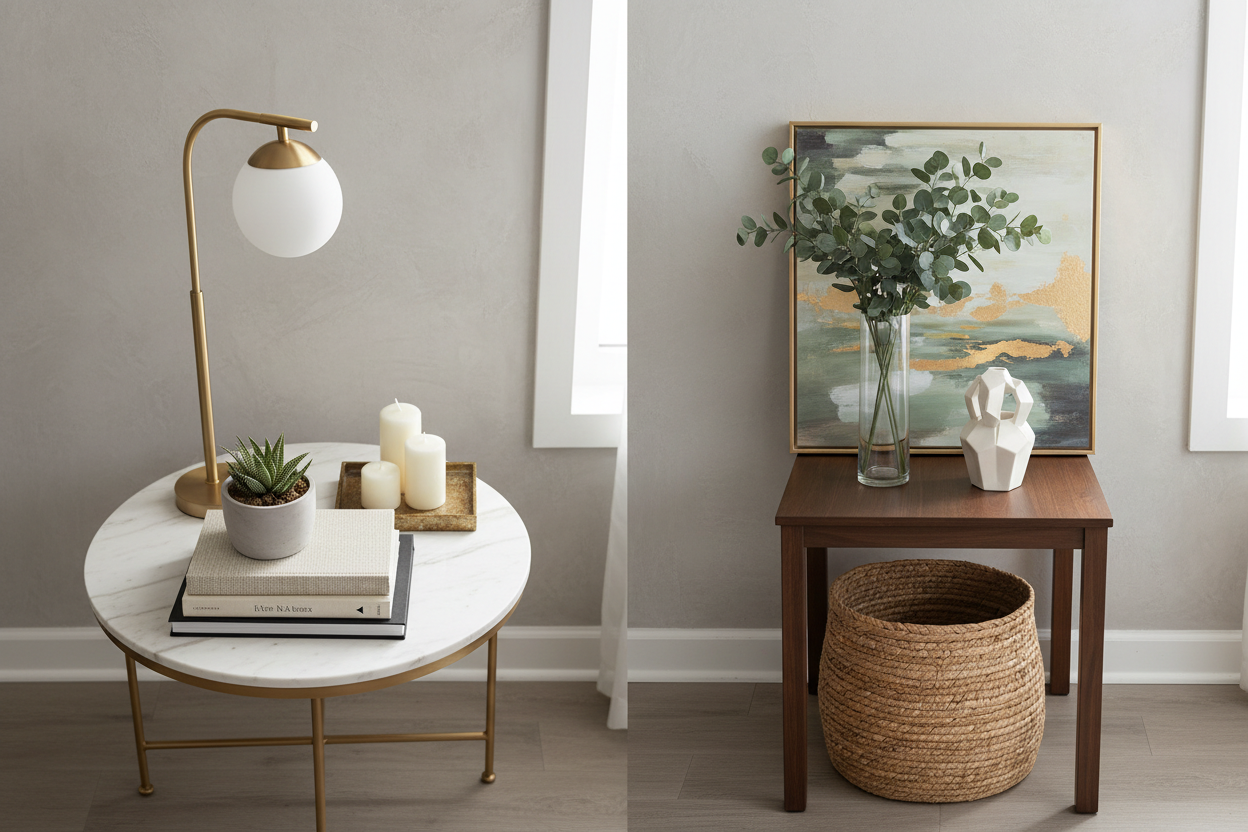
Use the "triangle rule" for accessories. Group items in threes with varying heights—for example, a tall lamp, a medium plant, and a low tray for small items. This creates a balanced, curated look rather than a messy pile.
Can I use a dining table as a desk?
Yes, a dining table can serve as an excellent designer work table, especially for spreading out blueprints or large projects. Just ensure the apron (the wood beneath the top) isn't too low, as it can restrict leg movement and prevent you from crossing your legs comfortably.

Leave a comment
This site is protected by hCaptcha and the hCaptcha Privacy Policy and Terms of Service apply.