










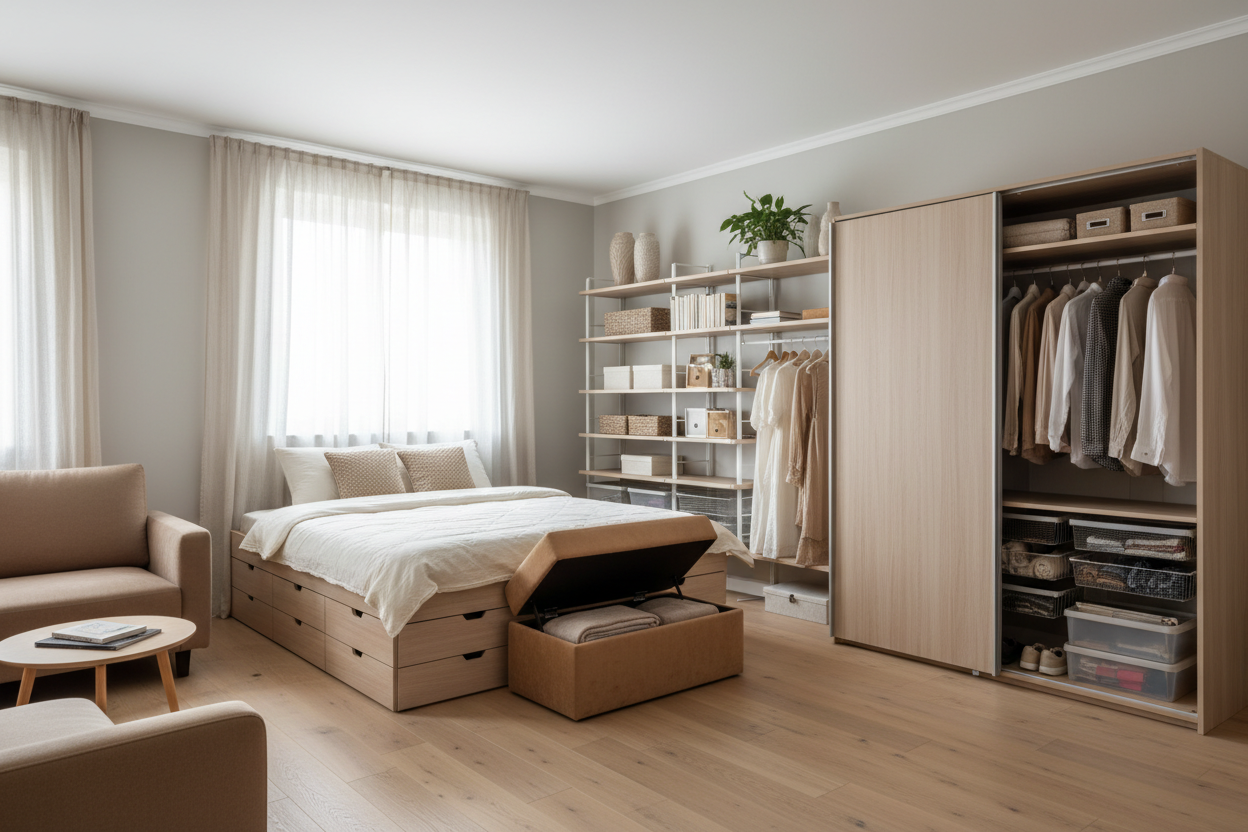
There is a distinct tension in interior design between the desire for minimalism and the reality of accumulating possessions. We all want that breathless, magazine-ready aesthetic, but we also have blankets, paperwork, and sentimental items that need a home. Clutter creates visual noise, which disrupts the serenity of a room. The solution isn't just to purge, but to curate the best furniture for storage that works twice as hard as standard pieces.
Quick Decision Guide: Key Features to Look For
Before investing in new pieces, use this checklist to ensure you are selecting furniture that balances high-end design with practical utility:
- Mechanism Quality: Test drawers and lift-tops. Soft-close runners and heavy-duty gas struts (for beds/ottomans) are non-negotiable for longevity.
- Visual Weight: In small rooms, choose pieces with raised legs to show floor space. In large rooms, plinth-base cabinetry adds grounding.
- Internal Dimensions: Measure what you intend to store. Many sideboards are too shallow for standard vinyl records or serving platters.
- Material Durability: For high-traffic storage (like entryways), opt for hardwoods or high-pressure laminates over standard veneers to resist chipping.
Evaluating Materiality and Build Quality
When scouting for the best storage furniture, the skeleton of the piece is just as important as the silhouette. In my years sourcing for clients, I have found that weight often equates to quality.
Solid Wood vs. Engineered Solutions
While solid wood is the gold standard for heirlooms, high-quality engineered wood (MDF wrapped in a thick veneer) is often superior for large storage pieces like wardrobes or wall units. Solid wood expands and contracts with humidity, which can cause large doors to warp and stick. However, ensure the joinery is dovetail or mortise-and-tenon; staples and glue will not hold up to the weight of heavy storage.
The Hardware Factor
The failure point of most storage furniture is rarely the wood; it is the hardware. Look for under-mount drawer slides, which support more weight and offer a cleaner look than side-mounts. If you are looking at a lift-top coffee table or a hydraulic storage bed, ask for the cycle rating of the mechanism. You want hardware rated for thousands of uses, not hundreds.
Strategic Placement for Visual Flow
Integrating storage shouldn't feel like you are stacking boxes in a room. It requires spatial planning to maintain flow.
Vertical vs. Horizontal Volume
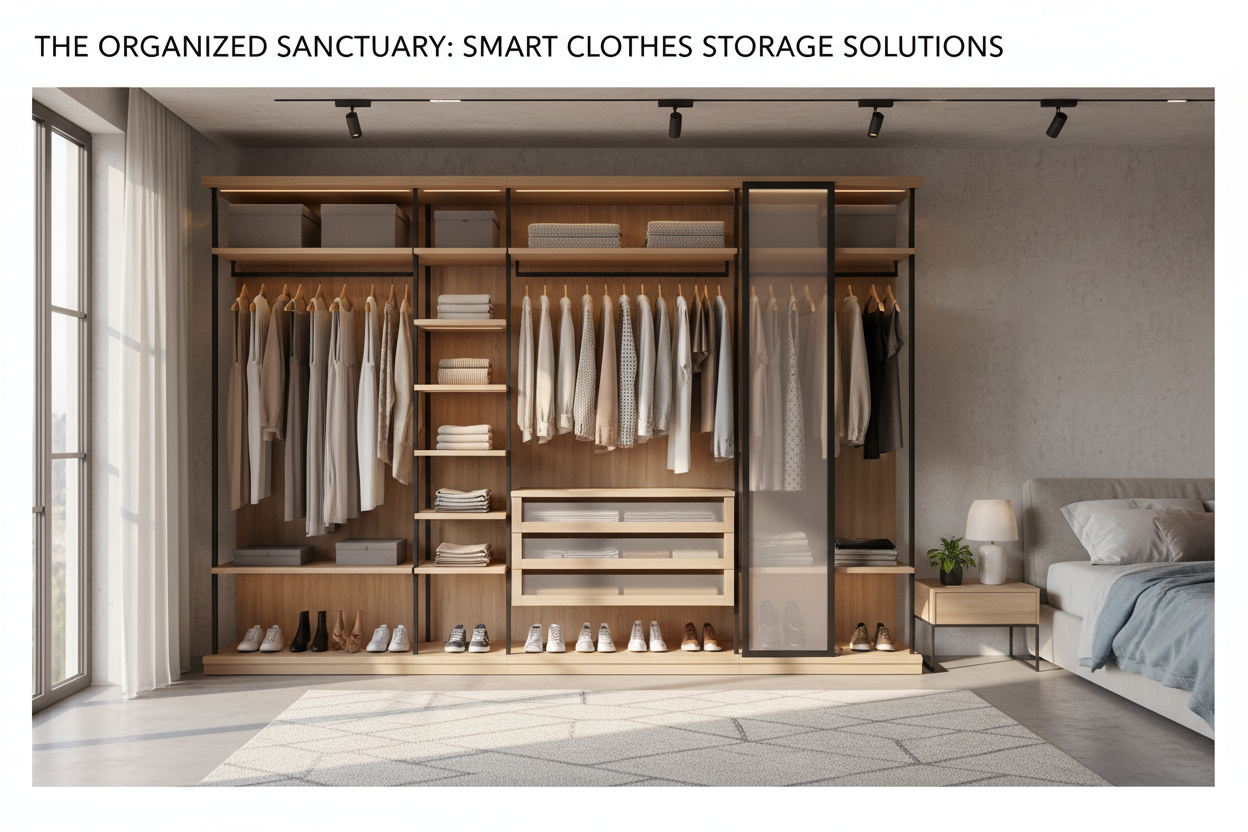
In tight urban apartments, floor space is premium currency. Tall, narrow units (like a floor-to-ceiling bookcase with closed lower cabinets) draw the eye upward, making ceilings feel higher while hiding clutter. Conversely, in a sprawling open-plan living area, a low-profile, long credenza can act as a subtle divider between the lounge and dining zones without blocking light.
Hidden Functionality
The most sophisticated interiors utilize "secret" storage. This includes ottomans that double as coffee tables or benches with flip-top lids. When selecting these, pay attention to the upholstery. A storage ottoman will be handled frequently; performance fabrics like Crypton or high-rub-count velvets are essential to prevent the fabric from looking worn around the lid edges.
My Personal Take on Best Furniture for Storage
I learned a hard lesson early in my career regarding "mechanism tension." I once specified a stunning, custom-upholstered storage bed for a client in a luxury high-rise. Visually, it was perfect. However, I didn't personally test the hydraulic lift strength with the mattress off.
When the client first tried to use it, the gas struts were so overpowered for the lightweight platform that the bed frame shot up with aggressive force, nearly hitting them. Conversely, I’ve seen budget options where the struts are too weak to hold a heavy memory foam mattress up.
The takeaway? The best storage furniture isn't just about volume; it's about the ergonomics of access. If you have to struggle to open a drawer or lift a lid, you will eventually stop using that storage space, and the clutter will return to your countertops. Always test the "action" of a piece before buying.
Conclusion
Selecting the right storage is about respecting the architecture of your home while acknowledging your lifestyle. By focusing on durable mechanisms, appropriate scale, and material integrity, you turn storage from a utility into a design feature. Invest in pieces that hide the chaos so you can enjoy the calm.
Frequently Asked Questions
What is the best storage furniture for a narrow hallway?
Console tables with drawers or shoe cabinets with tilt-out compartments are ideal. Look for pieces with a depth of 10 to 12 inches to maintain a clear walkway while providing a drop zone for keys and mail.
Is custom built-in storage better than freestanding furniture?
Built-ins maximize every inch of space and increase property value, but they lack flexibility. Freestanding pieces allow you to rearrange your layout and can move with you, making them a better investment for renters or those who love to refresh their design frequently.
How do I mix open and closed storage?
Follow the 80/20 rule. Keep 80% of your items (the unglamorous essentials) behind closed doors or in drawers, and use the remaining 20% of open shelving to display curated decor, books, or art. This maintains a clean, sophisticated look.

Leave a comment
This site is protected by hCaptcha and the hCaptcha Privacy Policy and Terms of Service apply.