










I spent three years staring at the heavy, builder-grade oak cabinets in my 100-square-foot kitchen. They felt like dark wooden clouds hanging over my coffee maker, making the room feel cramped and dated. One Tuesday, I finally snapped. I grabbed a Phillips-head screwdriver and started unscrewing the hinges. It was supposed to be a 'test' to see if I liked the look, but ten minutes later, the doors were in the garage and my kitchen felt three feet wider. I didn't have a backup plan, but I knew I needed some fresh open kitchen cabinet ideas before my partner came home to a pile of hardware on the floor.
- Visual Space: Removing doors instantly makes a small kitchen feel airy and expansive.
- The 80/20 Rule: Display the 20% of items you use 80% of the time.
- Storage Strategy: You need a 'hidden' zone for the ugly stuff like plastic containers.
- Maintenance: High-rotation items don't get dusty; everything else stays in the pantry.
The Day I Took a Screwdriver to My Kitchen
The initial fear was real. I was worried that my kitchen would look like a disorganized thrift store or that I'd regret exposing my mismatched mugs. But as the last door came off, the visual relief was immediate. Standard builder-grade cabinets are basically just heavy boxes that eat up your peripheral vision. By leaning into an open kitchen cabinet design, those boxes effectively disappear. Suddenly, the tile backsplash and the depth of the shelves became part of the room rather than a barrier.
I realized that most of my anxiety about 'clutter' was actually just anxiety about my own habits. If you can see your plates, you're more likely to put them away neatly. It forces a level of accountability that closed doors simply don't. For the first time, I could actually see the 12-inch depth of my cabinets, which made the counters feel less like a workspace and more like a curated part of my home.
The Golden Rule: Hide the Ugly Plastic, Expose the Pretty Plates
Here is the hard truth: not everything you own is 'display worthy.' My collection of stained Tupperware, the neon orange protein shaker, and the half-empty box of generic cereal had no business being on an open shelf. To make this work, you have to be ruthless about what stays and what goes. I moved all my mismatched plastics and bulky appliances into a dedicated kitchen sideboard buffet table in the dining area. This freed up the upper shelves for the items that actually look good.
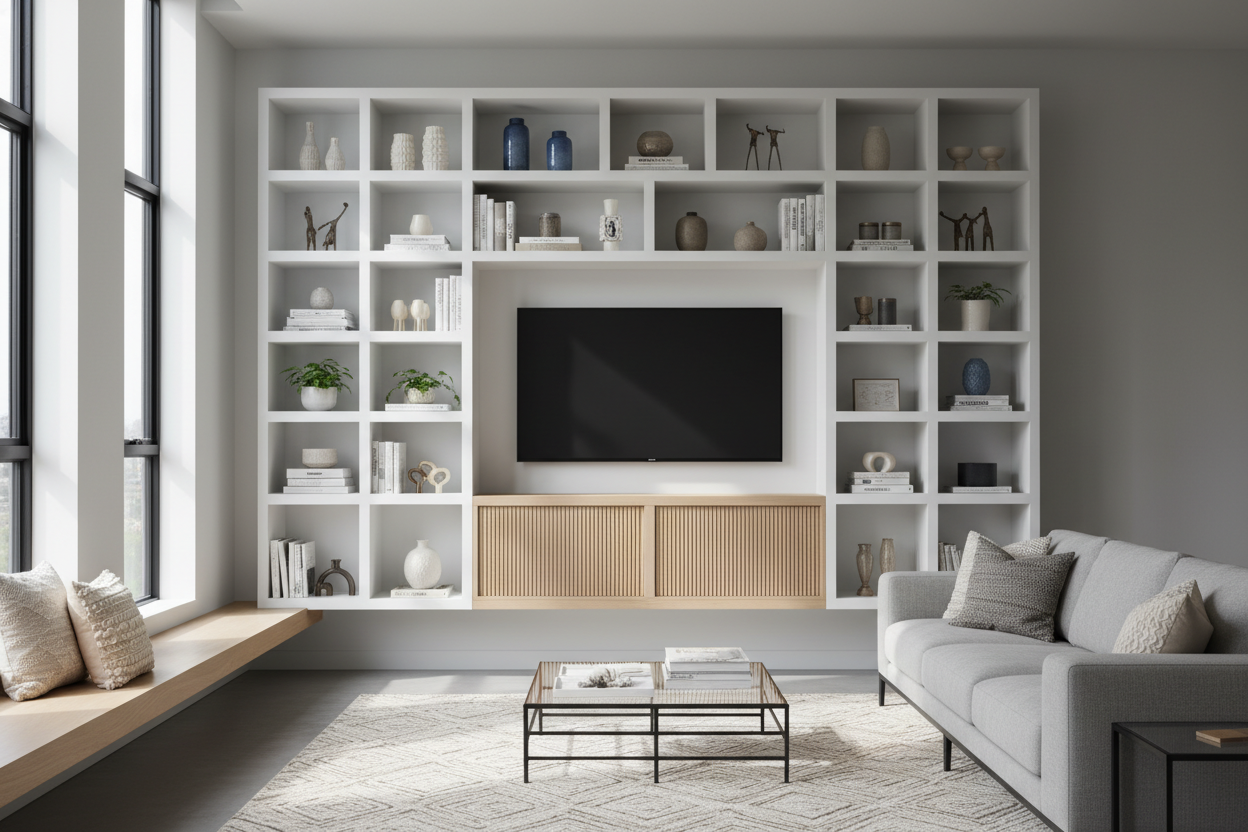
Think of your open shelves as a stage. You want the stars—the white ceramic plates, the glass carafes, the uniform bowls—front and center. The 'supporting cast' of branded boxes and ugly packaging should be tucked away in lower cabinets or a separate pantry. If you try to display your entire pantry on open shelves, it will look like a convenience store aisle. Keep the color palette tight and the textures varied.
Open Kitchen Cabinet Decorating Ideas (That Don't Look Cluttered)
Once the doors are off, the real fun begins. Effective open kitchen cabinet decorating ideas aren't about buying a bunch of useless knick-knacks; they're about styling the things you already use. I started by grouping my items by color. A stack of ten white dinner plates looks intentional and clean, whereas a stack of five different colors looks like a mistake. I also swapped my cardboard pasta boxes for clear glass jars with wooden lids. It takes ten seconds to decant the rotini, and it looks a thousand times better on the shelf.
To add some warmth to the open cabinet design, I leaned a few heavy wooden cutting boards against the back wall of the shelves. It breaks up the vertical lines and adds a natural texture that balances out the hard ceramic of the dishes. I also recommend 'layering' your items. Put the tall pitchers in the back and the shorter juice glasses in front. Don't be afraid to leave a little 'white space' on the shelves—overcrowding is the fastest way to make an open shelf look messy. If you have a beautiful Dutch oven, let it sit on a shelf by itself like a piece of art.
The Dust Question: Do Open Cabinet Ideas Actually Survive Real Life?
This is the number one question I get: 'Doesn't everything get covered in grease and dust?' The answer is a qualified 'no.' If you follow the rule of only displaying the items you use every single day, dust never has a chance to settle. My daily coffee mugs and dinner plates are washed and put back every 24 hours. They stay perfectly clean. These open cabinet ideas only fail when you use the shelves to store things you only touch once a year, like a Thanksgiving turkey platter or a fondue set.
For the items that sit a bit higher up, I do a quick wipe-down once a month. It takes about five minutes. If you have a high-powered range hood that actually vents outside, grease buildup is almost a non-issue. If you're a heavy fry-cook and you don't have a good vent, you might want to reconsider full exposure, but for the average home cook, the 'dust' problem is mostly a myth perpetuated by people who are afraid of their own housework.
The 'Semi-Open' Compromise for the Commitment-Phobic
If the idea of totally naked cabinets gives you hives, there are plenty of open kitchen cupboard ideas that offer a middle ground. You don't have to go all-in on day one. I've seen people remove just two doors over the sink to create a feature area for plants and frequently used glassware. It gives you the airy look without the pressure of styling the entire room. Another pro move is replacing solid panels with glass inserts.
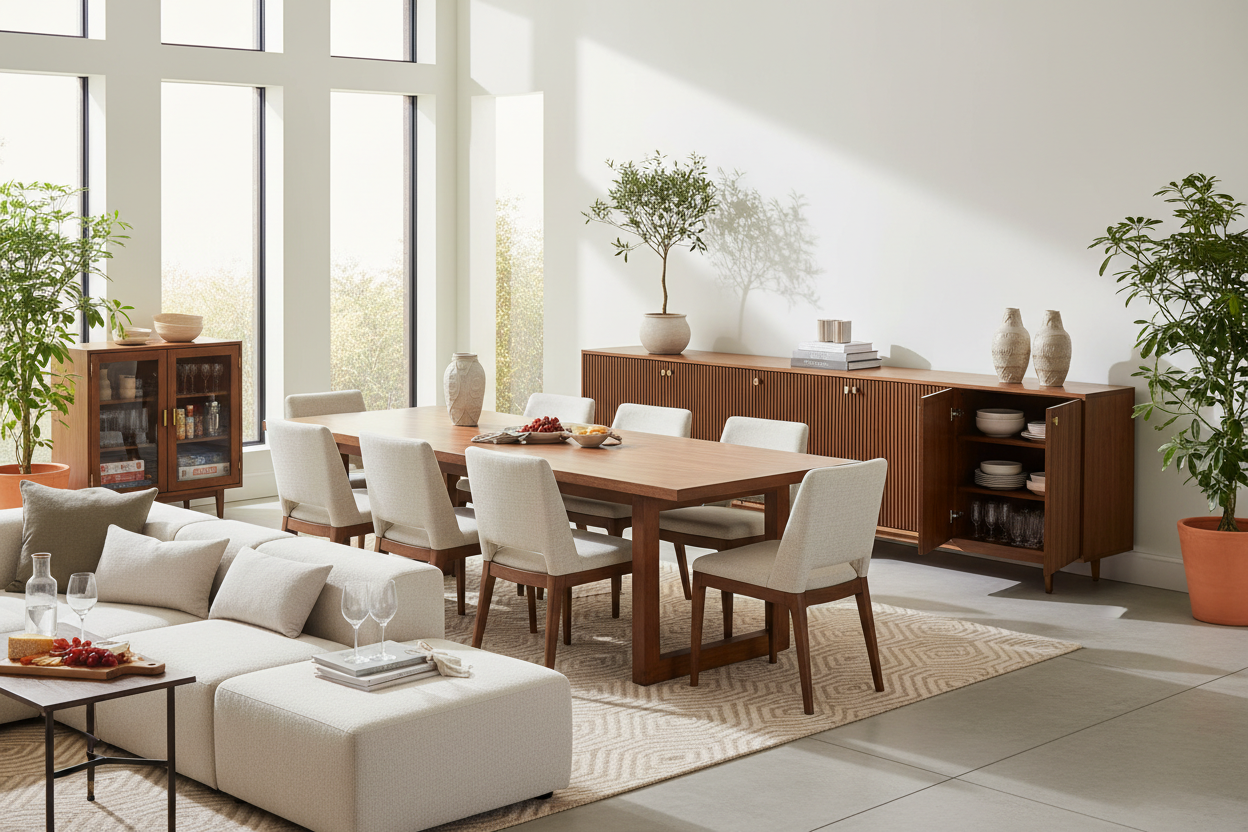
If you love the aesthetic but hate the maintenance, a standalone black cabinet with glass doors is a brilliant alternative. You get the visual depth and the ability to show off your favorite stoneware, but the glass provides a physical barrier against kitchen grease and pet dander. It’s the 'museum case' approach to kitchen storage—everything stays visible but stays clean. I actually used one of these in my breakfast nook for my 'fancy' glassware that doesn't get used daily.
Balancing Your Kitchen Open Cabinet Design with Heavy-Duty Pantries
A successful kitchen open cabinet design isn't just about what you show; it's about what you hide. You cannot have airy, beautiful uppers if you don't have a powerhouse storage solution elsewhere. I realized that my open shelves only worked because I leaned into some serious tall kitchen cabinet ideas for the rest of the room. You need at least one floor-to-ceiling unit that can handle the sheer volume of modern life.
I eventually added a large food pantry kitchen cupboard to the corner of my kitchen. This unit does all the heavy lifting. It holds the 10-pound bag of rice, the wine bottles, the toaster, and the extra paper towels. Because this one piece of furniture is so efficient, I can afford to let my upper walls breathe. It’s a game of balance: give yourself one massive, closed-door 'clutter magnet' so that the rest of your kitchen can stay light, bright, and open.
FAQ
Will open cabinets make my kitchen look messy?
Only if you use them to store things that are inherently messy. If you stick to a uniform color palette—like all white or all clear glass—it looks like a curated boutique. If you store half-eaten bags of chips and mismatched plastic cups, yes, it will look like a dorm room.
How do I deal with mismatched dishes?
Honestly? This might be the sign you need to donate the random mugs you've collected from various 5K races. Buy a set of 12 matching white plates. They are inexpensive, they make food look better, and they look stunning on an open shelf. Hide the 'sentimental' but ugly mugs in a lower drawer.
Can I do this with rental cabinets?
Absolutely. Just make sure you save the doors and the screws. Store them in a flat box under your bed or in the back of a closet. When you move out, it takes about 30 minutes to screw them back on. It’s the easiest 'reversible' renovation you can do to a rental kitchen.
What about the holes left by the hinges?
If you have painted cabinets, a little bit of wood filler and a touch-up pen will make those holes disappear. If you have stained wood, you can find wax filler sticks that match your finish perfectly. Most people don't even notice the holes once the shelves are styled.

Leave a comment
This site is protected by hCaptcha and the hCaptcha Privacy Policy and Terms of Service apply.