










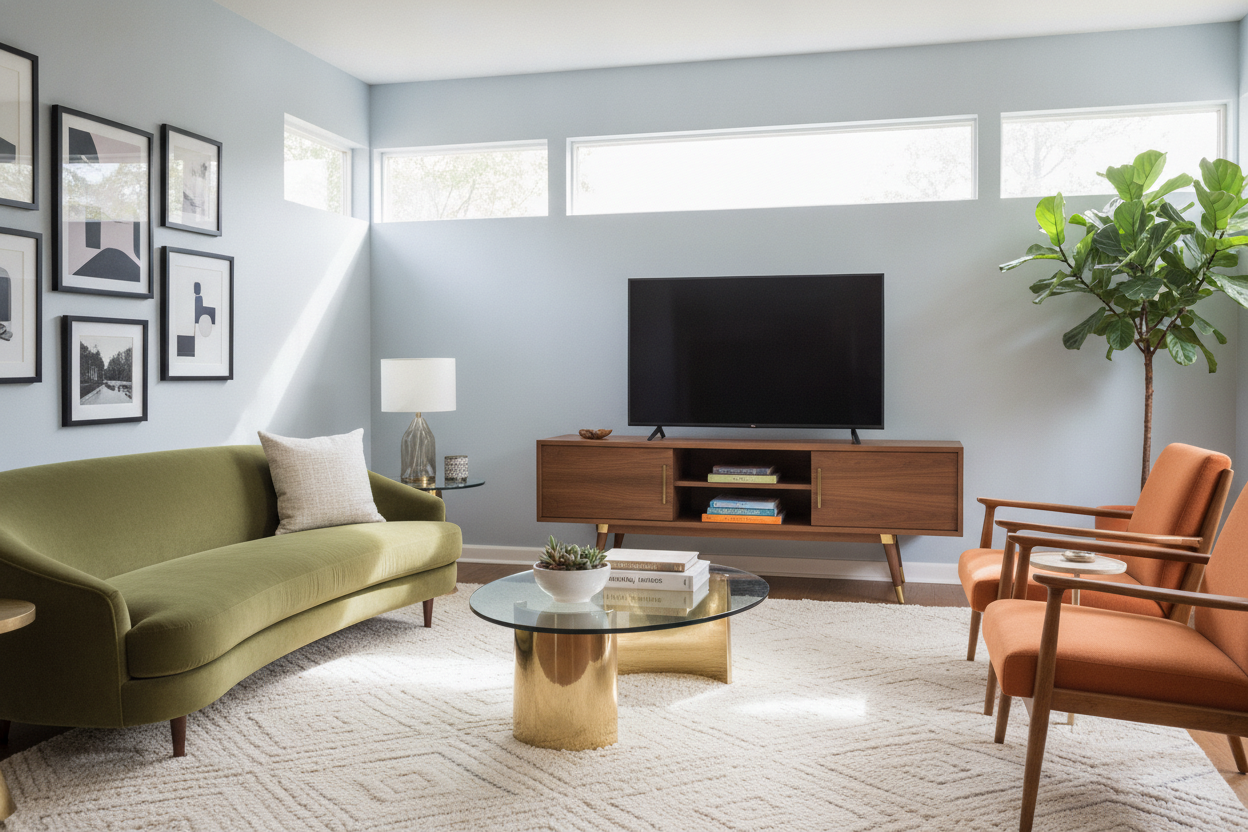
I was three weeks into living in my new Wash Park bungalow when I realized my 65-inch OLED looked like a monolith from a sci-fi movie staged in a 1920s museum. It was sitting on two moving boxes, directly in front of a gorgeous original brick fireplace. I spent hours staring at 47 open browser tabs, trying to find a tv stand denver style that didn't feel like a cheap particle board insult to my home's history.
- Bungalow layouts are tight; always measure the distance between your fireplace and the nearest window before buying.
- Avoid the I-25 traffic on weekends—most local furniture showrooms are picked over by Saturday afternoon.
- Mid-century modern designs bridge the gap between historic wood trim and modern tech.
- If you have high ceilings and empty alcoves, go vertical to make the TV look intentional.
The Mile High Furniture Problem: Why Is This So Hard?
Denver architecture is a beautiful mess. One minute you are in a sleek glass box in LoDo, and the next you are in a Victorian in Curtis Park with slanted floors and zero right angles. Finding a piece that fits both your massive modern TV and your quirky living room layout feels like a full-time job. I started my search by scrolling through endless pages of high-quality TV stands, trying to visualize how a 70-inch console would look against my honey-colored oak baseboards.
The real issue is that most modern furniture is designed for massive open-concept 'great rooms.' My bungalow has a 'good room' at best. The dimensions are intimate. If you pick a stand that is too deep, you are suddenly shimmying past your coffee table like you are in a crowded bar on Colfax. You need something with a slim profile that still has the structural integrity to hold a heavy screen without bowing in the middle after six months.
Historic Bungalows vs. Massive Screens
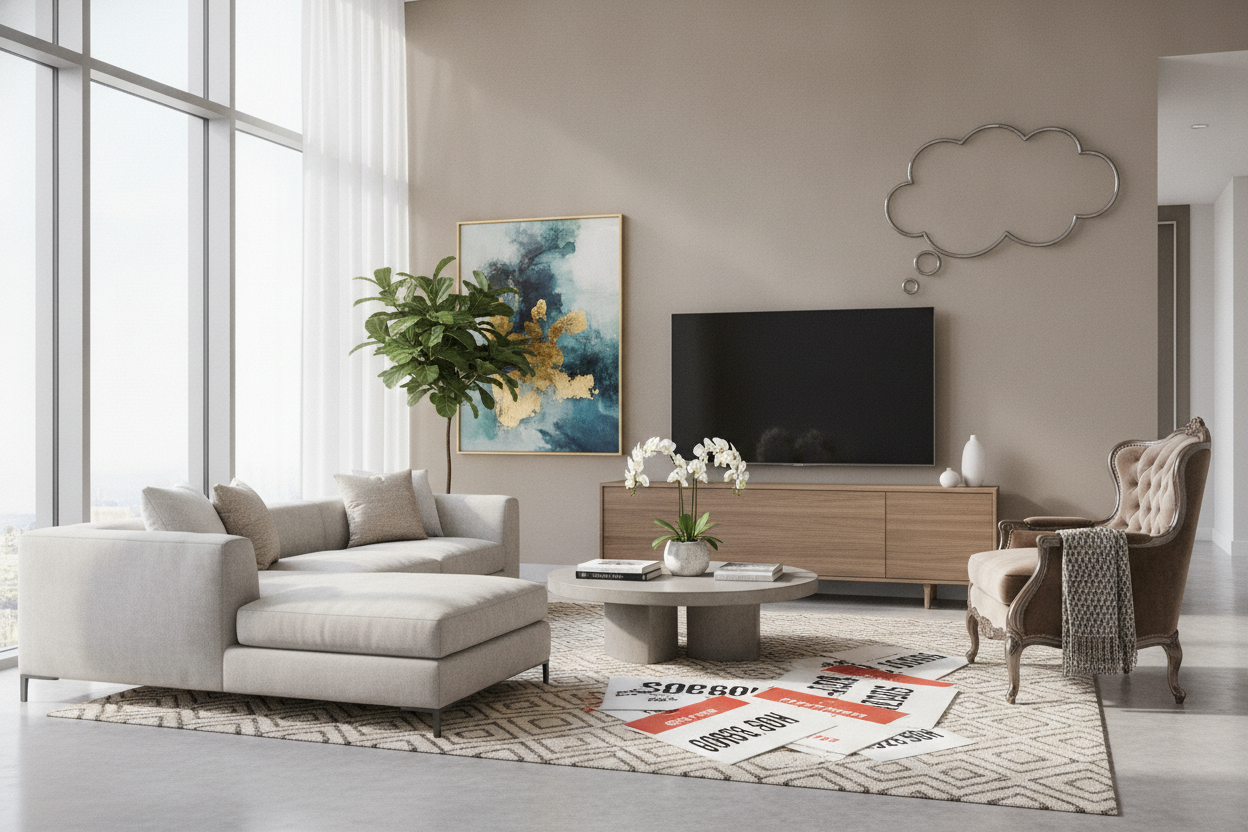
There is a specific aesthetic clash that happens in Denver. We love our 75-inch screens for Broncos games, but we also love our original 1920s brick fireplaces and built-in leaded glass cabinets. When you drop a giant black rectangle into a room full of warm textures and historic charm, it can feel incredibly jarring. I spent days measuring the height of my mantel, realizing that if I put the TV on a standard-height console, it would look like the two were competing for dominance.
I eventually learned that the trick is to choose a stand that mimics the wood tone of your existing trim. If you have that classic Denver 'honey oak' or 'dark walnut' finish, don't try to match it perfectly—you will fail. Instead, go for a complementary grain or a painted finish that feels like a deliberate choice rather than a near-miss. I almost bought a high-gloss white unit before realizing it would look like a spaceship landed in a library.
When to Fake the Built-In Look
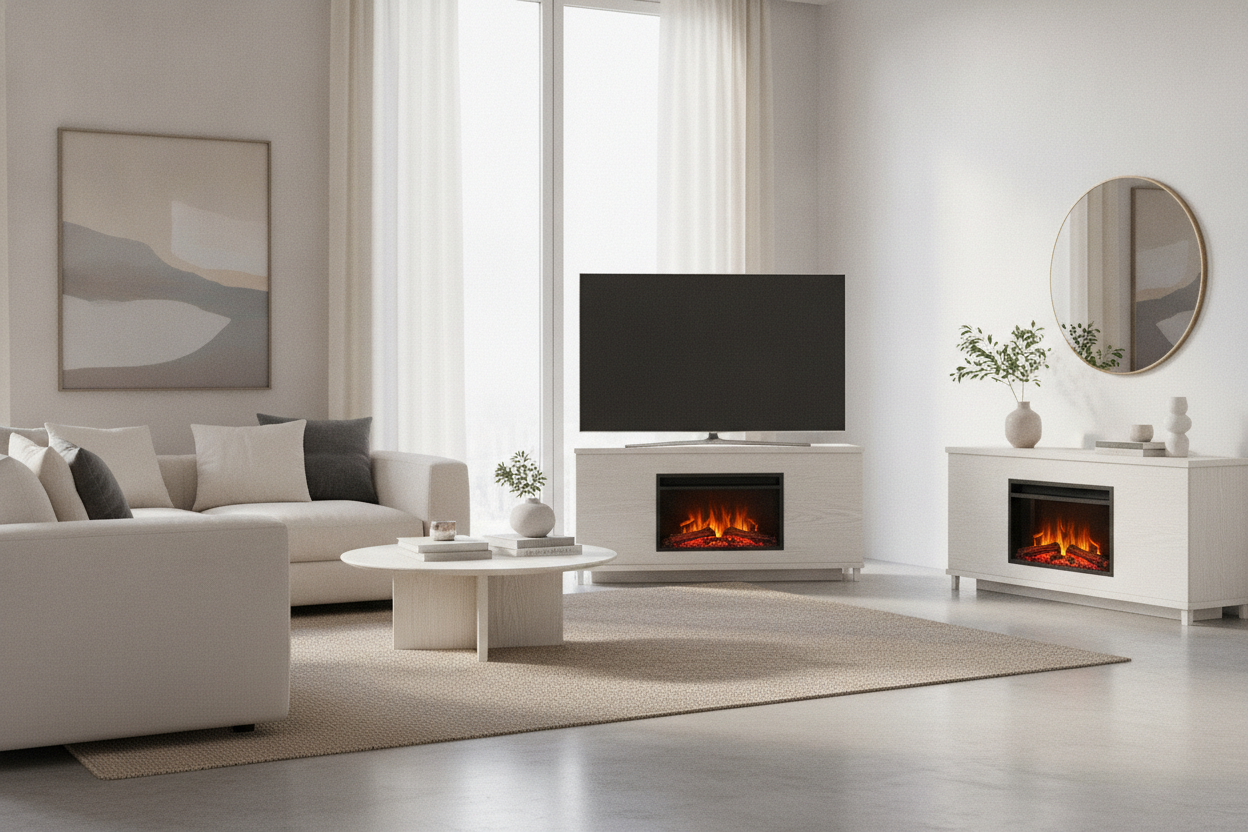
If you have those awkward alcoves next to your chimney, you are sitting on a gold mine. Instead of just plopping a standalone unit in the middle of the wall, I found that pairing a TV stand with bookshelves is the ultimate hack for mimicking original built-ins. It fills the visual gap and makes the television feel like part of the architecture rather than an afterthought.
This approach also solves the 'cable spaghetti' problem. In older homes, outlets are usually in the most inconvenient places. By using a setup that spans more of the wall, you can hide those cords behind the shelving units without having to cut into 100-year-old lath and plaster walls. Trust me, your security deposit or your future renovation budget will thank you.
Navigating the Search for TV Stands in Denver
Shopping for tv stands in denver is a test of patience. You can spend your entire Saturday fighting traffic on I-25 to hit the big box stores in Lone Tree or Westminster, only to find the same three gray laminate consoles everyone else has. I tried the local vintage shops on South Broadway, which are great for inspiration, but finding a mid-century sideboard that is actually the right height for modern viewing is like finding a parking spot at Red Rocks—possible, but exhausting.
I also realized that many 'local' boutiques are just showrooms for the same catalogs you see online, but with a 30% markup for the privilege of seeing it in person. After my third trip to a warehouse that smelled like sawdust and disappointment, I started looking for pieces that offered actual solid wood construction. If you are going to spend $800 on a console, it shouldn't be made of the same stuff as your cereal box.
Going Mid-Century for That Colorado Vibe
There is a reason mid-century design is the default for Denver interiors. The clean lines and warm woods work perfectly with both modern downtown lofts and the older suburban homes in areas like Park Hill. I finally settled on a mid century modern TV stand because the tapered legs make the piece feel 'light.' In a small bungalow, seeing the floor underneath your furniture makes the room feel twice as big.
The slatted doors on these types of units are also a lifesaver if you still use a gaming console or a cable box. They hide the plastic tech junk but allow your remote signals to actually work. Plus, the warmth of the wood helps ground the room when the TV is off, so you aren't just staring at a giant black mirror in a cold room.
Should You Just Order Online and Skip the Traffic?
After weeks of driving around, I ended up ordering my final choice online. The reality is that the selection of tv stands in denver stores is limited by floor space. When you shop online, you can filter by the exact inch—which is crucial when you are trying to squeeze a console between a radiator and a door frame. I saved my weekend for a hike in Golden instead of a meltdown in a parking lot.
My advice? Measure three times, check the weight capacity of the shelves, and look for 'solid wood' in the description. If you find a piece that fits your tech and your trim, buy it. Don't let your TV live on a moving box for a month like I did. It’s not a 'minimalist' look; it’s just a fire hazard.
FAQ
How high should my TV stand be?
For most setups, you want the center of the screen at eye level when seated. Usually, this means a stand between 18 and 24 inches high. If you go higher, you'll be crane-necking like you're in the front row of a movie theater.
Will a 75-inch TV fit on a 60-inch stand?
Physically, maybe, but it will look terrible. Your stand should be at least a few inches wider than the TV on both sides to provide visual balance and prevent it from being easily bumped.
What is the best material for a TV stand in Colorado's climate?
Our air is incredibly dry. Solid hardwoods like oak or walnut hold up well, but be wary of cheap veneers that can peel if they aren't finished properly. Look for kiln-dried wood to prevent warping as the seasons shift.

Leave a comment
This site is protected by hCaptcha and the hCaptcha Privacy Policy and Terms of Service apply.