










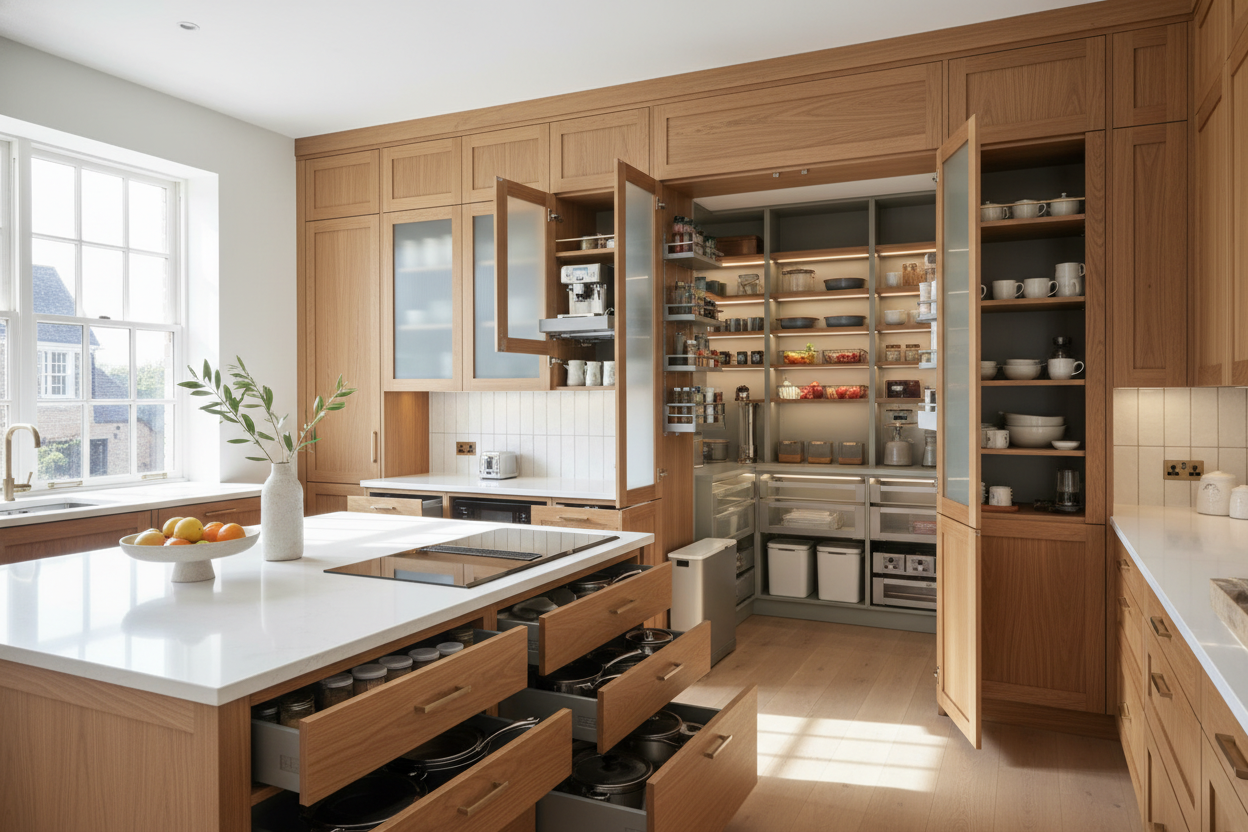
I was helping a client in a new-build home last month. They had beautiful shaker-style cabinets, but every time they opened a door, it was chaos inside—pots stacked precariously, spices lost in the back, that one baking sheet that always got stuck. They looked at me and said, 'We spent so much on the outside, why does the inside feel so wrong?' That's the moment I want to talk about today: the interior of kitchen cabinets. It's not just a box to hold things; it's the engine of your kitchen's workflow.
Quick Takeaways
- Think of cabinet interiors as activity zones, not just storage space.
- Adjustable shelving is non-negotiable for long-term flexibility.
- Drawer organizers need to be measured for your specific items, not bought generically.
- Interior lighting (like LED strips) reduces rummaging and enhances safety.
- Durable, wipeable interior materials save hours of maintenance yearly.
Why Your Cabinet Interiors Matter More Than You Think
When you're planning a kitchen, it's easy to focus on door styles and countertops. I get it—they're what you see. But the interior space is what you use, multiple times a day. A well-planned interior cuts down meal prep time because everything has a logical home. It reduces visual and physical clutter because items aren't piled high on fixed shelves. Most importantly, it makes your kitchen enjoyable to work in. I've seen clients who dreaded cooking because finding a lid was a treasure hunt. After we systematized their cabinet interiors, that stress vanished. It transforms the kitchen from a chore zone to a functional hub.
The 5 Essential Interior Kitchen Cabinet Design Elements
Let's break down what actually goes into a functional cabinet interior. First, shelving systems. Fixed shelves are the biggest limitation. I specify adjustable shelving with pin holes at 1-inch intervals as standard. This lets you create a 14-inch high space for cereal boxes and a 7-inch space for spice jars in the same cabinet. Second, drawer organizers. For cutlery, I use dividers with compartments at least 2.5 inches deep. For utensils, look for expandable bamboo organizers that can be configured for your whisk, spatula, and ladle collection.
Third, lighting. Under-cabinet lighting gets all the attention, but inside-cabinet lighting is a game-changer for deep pantries or corner units. I install motion-sensor LED tape lights that turn on when the door opens. Fourth, material choices. More on this later, but for now, know that the inside surface needs to be durable. Fifth, accessibility features. This includes pull-out shelves (full-extension slides are a must), lazy Susans for corners (at least 36 inches in diameter to be useful), and drawer bases for pots and pans. A common pitfall is ignoring these elements, which can lead to the kind of cabinet design mistakes that make a spacious kitchen feel frustratingly cramped.
Kitchen Cabinet Interior Solutions for Different Needs
Your cabinet needs depend entirely on how you live. For small kitchens, every inch counts. I use vertical dividers for baking sheets and trays in a base cabinet, and I often specify tall, narrow pull-out units (12 inches wide) for spices or canned goods. For families, durability and easy access are key. Lower cabinets get soft-close, full-extension drawers for kids' plates and cups. I designate one easy-to-reach upper cabinet for snacks.
For serious cooks, I create a 'prep zone' near the stove. This includes a dedicated cabinet with a pull-out trash/recycling bin, a vertical knife block insert, and shallow drawers for everyday tools. Sometimes, the best solution isn't inside a wall cabinet at all. For clients who need extra servingware storage, a well-chosen piece like a buffet cabinet storage solutions in the dining area can relieve pressure on the kitchen proper. Don't overlook simple designs either; a well-organized 2 door cabinet storage solutions can often outperform a complicated multi-door unit.
Materials and Finishes for Kitchen Cabinet Inner Design
The material lining your cabinets takes a beating. For most clients, I recommend melamine or thermofoil for the interior. It's a hard, resin-coated composite that wipes clean easily and resists stains from oils or food. It's also cost-effective. For a higher-end look, real wood veneers (like maple or birch) are beautiful and durable, but they require more care and are susceptible to moisture if not properly sealed.
Laminates are another option—they're tough and come in endless colors, but the edges can chip over time if not applied perfectly. I avoid painted interiors on shelves that will hold frequently used items; the paint will scuff. For cabinet boxes, I always specify 3/4-inch plywood over particleboard for its strength and moisture resistance. The extra cost upfront prevents sagging shelves years down the line.
Professional Tips for Kitchen Cabinets Interior Planning
From over 200 kitchens, here's my practical advice. First, measure everything you own before you plan. Not just 'pots and pans,' but measure your tallest pot, your widest platter, your blender's base. Then, add 1-2 inches of clearance to those dimensions for your shelving heights and drawer compartments.
Second, use the 'zone' strategy. Group items by activity: a baking zone (flour, sugar, baking sheets), a cooking zone (oils, spices near the stove), a beverage zone (mugs, coffee, glasses). This creates muscle memory. Third, think about maintenance. White melamine interiors show crumbs less than dark wood. Wire shelf organizers allow for air circulation but can snag linens. Fourth, for budget upgrades, start with your most frustrating cabinet. Often, installing a single pull-out shelf or a set of tiered organizers (about $50-$100) can make a huge impact without a full renovation.
Common Kitchen Cabinet Interior Mistakes to Avoid
I see these errors repeatedly. The first is installing fixed shelves at standard heights (like 12 inches apart) without considering what will go there. You end up with wasted vertical space. The second is skipping interior lighting in deep or corner cabinets, forcing you to dig blindly. The third is choosing the wrong material—like a porous, unsealed wood for a cabinet under the sink where moisture is high.
The fourth, and perhaps most common, is an inefficient layout. Putting everyday dishes in a base cabinet you have to bend for, or storing heavy appliances on a high, fixed shelf. Plan the interior with the same care you plan the exterior footprint.
Personal Experience: The Downside of Over-Organizing
Early in my career, I designed a kitchen with hyper-specific, custom inserts for every item—a slot for each plate size, a cubby for each type of glass. It looked incredible in the showroom. The client loved it... for about six months. Then their needs changed. They got a new set of cookware that didn't fit the pot racks, and they started a baking hobby that required different tools. The system was too rigid. I learned that the best interior design allows for evolution. Now, I prioritize flexible systems (adjustable shelves, modular drawer dividers) over perfectly fitted, permanent ones. Functionality must adapt to life.
FAQ
What's the best way to organize a deep corner cabinet?
A rotating lazy Susan (at least 34 inches in diameter) or a magic corner pull-out system that brings items from the back to the front. Avoid blind corner cabinets without any access mechanism.
Are pull-out shelves worth the cost?
Absolutely, especially in base cabinets. They give you full access to the back, preventing lost items. For heavy items like pots, ensure the slides are rated for at least 100 lbs.
What interior finish is easiest to clean?
A high-pressure laminate (HPL) or melamine in a light color. They have a non-porous surface that wipes clean with a damp cloth and don't show dust as easily as dark finishes.
How much space should I leave between shelves?
It depends on your items, but a good rule is to measure your tallest item in that category and add 1-2 inches. For glasses, 8-10 inches is typical. For canned goods, 12-14 inches.

Leave a comment
This site is protected by hCaptcha and the hCaptcha Privacy Policy and Terms of Service apply.