










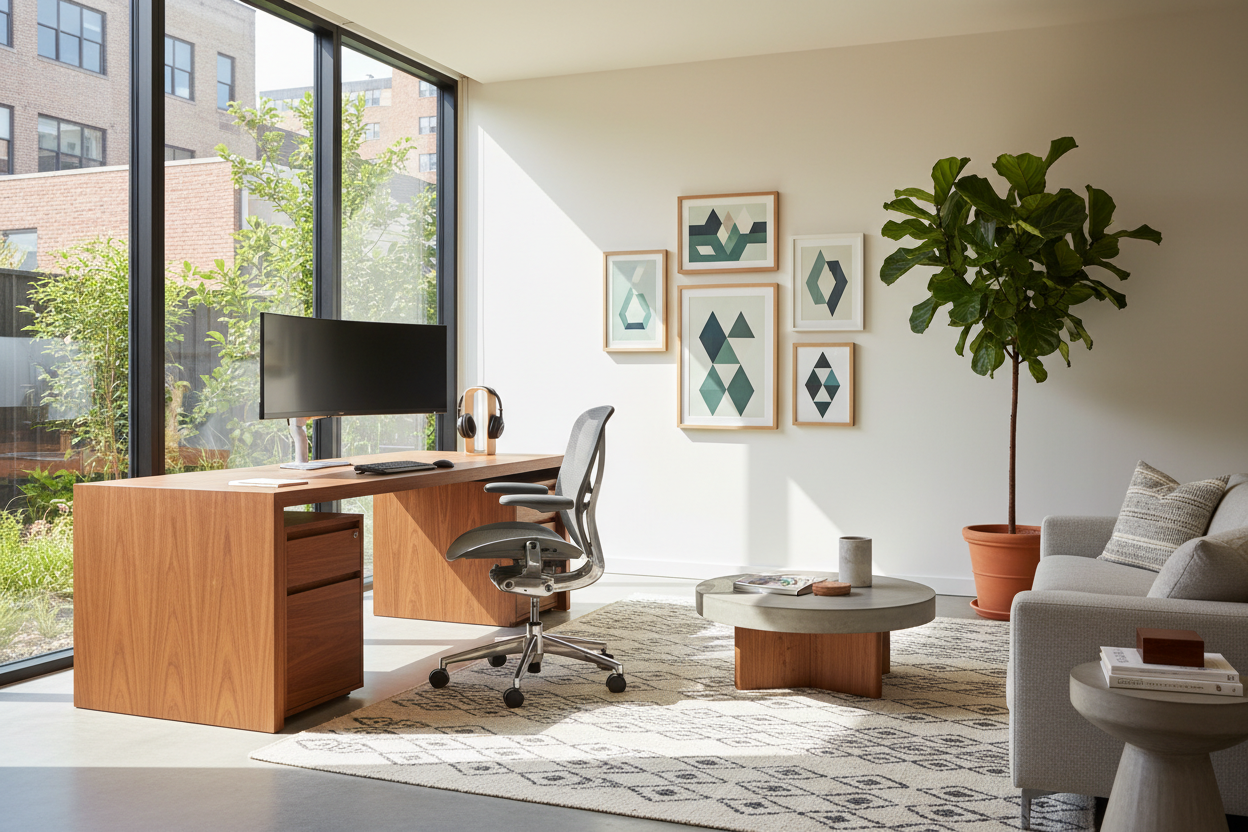
We are years into the remote revolution, yet many professionals still find themselves asking: how's working from home actually supposed to feel? If you are currently perched on a dining chair or squinting against the glare of a kitchen window, the answer is likely "uncomfortable." As an interior designer, I see this constantly. The issue usually isn't the job itself; it is the friction created by a home work environment that wasn't curated for the task. To make the system work from home effectively, we must stop treating the home office as an afterthought and start treating it as a high-performance design zone.
Quick Decision Guide: The Home Office Essentials
Before buying a new desk or repainting, consider these fundamental pillars of a functional workspace. These are the non-negotiables for high-end residential design:
- Ergonomics Over Aesthetics: Always prioritize a chair with adjustable lumbar support and seat depth over a trendy silhouette.
- Lighting Temperature: Aim for 4000K (cool white) task lighting to maintain focus, layered with 2700K (warm) ambient light for video calls.
- Acoustic Control: Incorporate soft textures (rugs, curtains, upholstered panels) to dampen echo during calls.
- Visual Zoning: Position your desk to command the room (the "power position") rather than facing a blank wall, which reduces visual fatigue.
Defining the Space: What is Home Working Design?
To understand why some spaces fail, we must define what is home working in the context of interior architecture. It is the integration of high-traffic utility into a space originally designed for rest. Is working from home really working for you? If not, the culprit is often a lack of separation. Working at at home requires distinct psychological boundaries created through physical layout.
The Layout: Establishing the "Power Position"
Does working from home work when you are cramped in a corner? Rarely. One of the main reasons to not work from home is the feeling of claustrophobia. In my projects, I advocate for the "power position"—orienting the desk so you face the door or the room, with a solid wall behind you. This mimics the executive office layout, grounding you in the space. If you must face a wall, install a mirror or artwork with depth to prevent eye strain.
Furniture Selection: Is Work From Home a Good Idea for Your Back?
Are work from home jobs good for your posture? Only if the furniture supports it. A common question I get is, "is it better to work from home on a sofa or a dining table?" The honest answer is neither. Working from home is a physical endurance test.
The Chair: The Critical Investment
When clients ask why should we work from home with professional-grade furniture, I point to durability and mechanics. A proper task chair should offer:
- Synchro-tilt mechanisms: This allows the backrest and seat to move in a ratio that keeps your feet on the floor while you recline.
- Breathable textiles: Avoid cheap bonded leather which traps heat. Opt for high-grade mesh or commercial-grade wool blends.
Aesthetics and Atmosphere: Why Working Online is the Best Opportunity for Style
Name something appealing about working from home. Most people say comfort, but I say customization. Working from home is better because you control the sensory input. Unlike a sterile corporate cubicle, you can introduce elements that boost well-being.
Is work from home good or bad for creativity? It depends on your visual field. Use biophilic design—incorporating wood grains, stone textures, and indoor plants—to reduce stress. When working from home virtually, your background becomes your brand. A curated bookshelf or a textured accent wall communicates professionalism far better than a digital blur filter.
My Personal Take on how's working from home
I want to share a specific lesson from my own renovation. When I first transitioned to a hybrid model, I fell into the trap of prioritizing the "Instagram look." I bought a stunning, vintage mid-century modern bucket chair made of teak and rattan. It looked incredible in photos.
However, after three weeks of working from home working at home (the redundancy felt real), I developed a pinched nerve. The rigid frame had zero give, and the rattan left impressions on my legs. I learned the hard way that does work from home work isn't a philosophical question—it's an ergonomic one. I swapped it for a Herman Miller Aeron, which I softened with a sheepskin throw to keep the texture soft but the support firm. It taught me that in design, tactile function must always precede visual form.
Conclusion
Is working from home beneficial? Absolutely, provided you respect the design requirements of the task. Why work at home if the space drains you? By investing in the right layout, ergonomic furniture, and layered lighting, you transform the experience from a temporary fix into a sustainable lifestyle. It works work from home setups are those that blend the utility of the office with the soul of the home.
Frequently Asked Questions
1. Is work from home a good idea for small apartments?
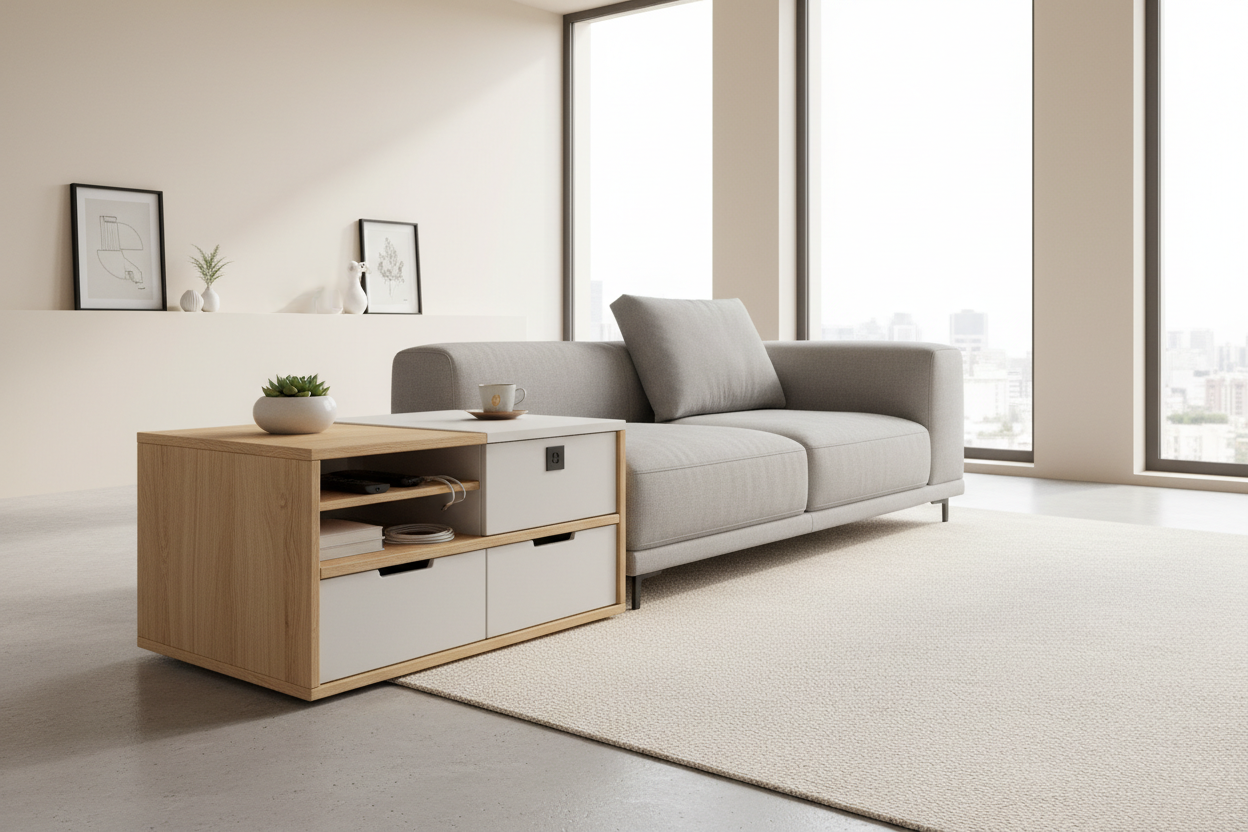
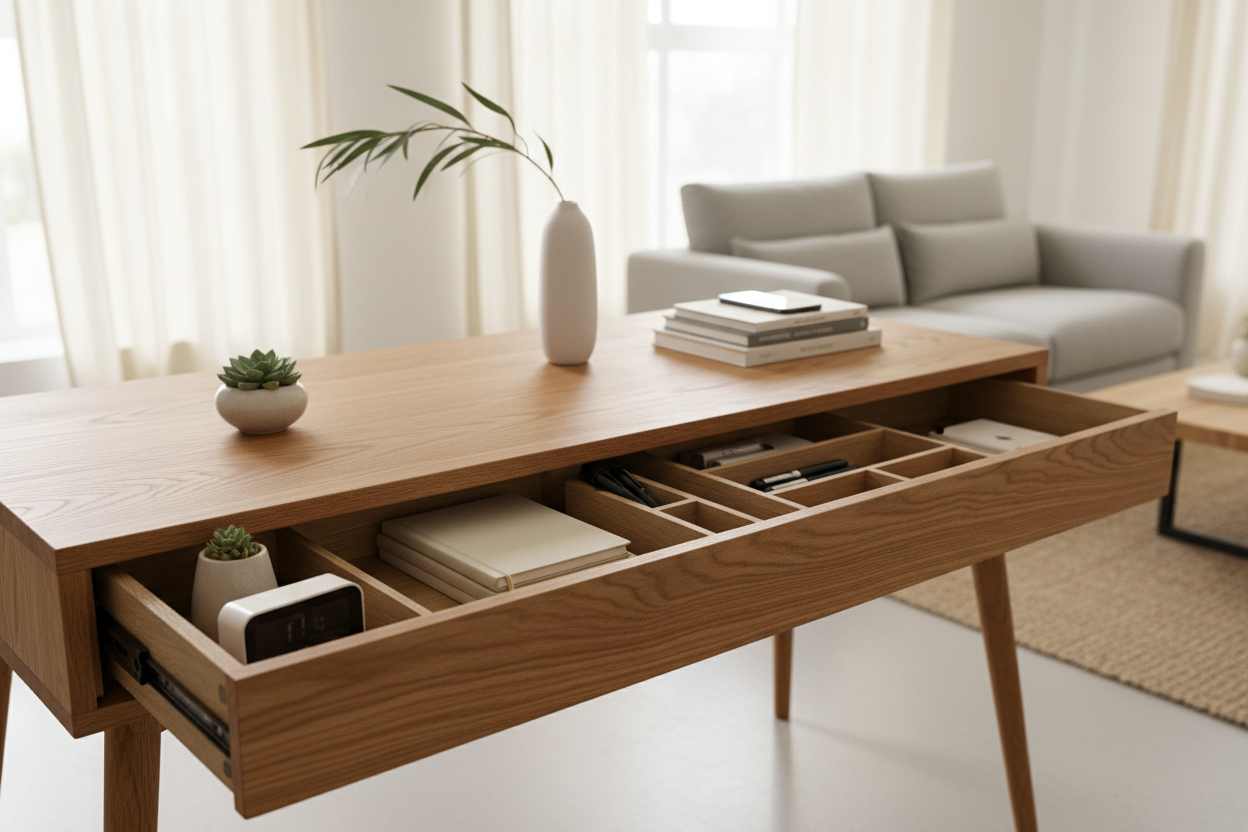
Yes, but it requires vertical thinking. Use wall-mounted floating desks or secretaire-style cabinets that can be closed at the end of the day. This physical closing of the workspace is crucial for mental separation in small footprints.
2. How do I maintain professional acoustics?
If you have hard floors, you need a high-pile rug. Sound bounces off hard surfaces (glass, concrete, hardwood). Adding heavy drapery and a rug under your desk will absorb the reverb that makes calls sound unprofessional.
3. What is the best desk depth for home working?
Aim for a minimum depth of 30 inches (approx. 76cm). This allows enough distance between your eyes and the monitor to prevent strain. Narrow console tables often force you to sit too close to the screen.

Leave a comment
This site is protected by hCaptcha and the hCaptcha Privacy Policy and Terms of Service apply.