










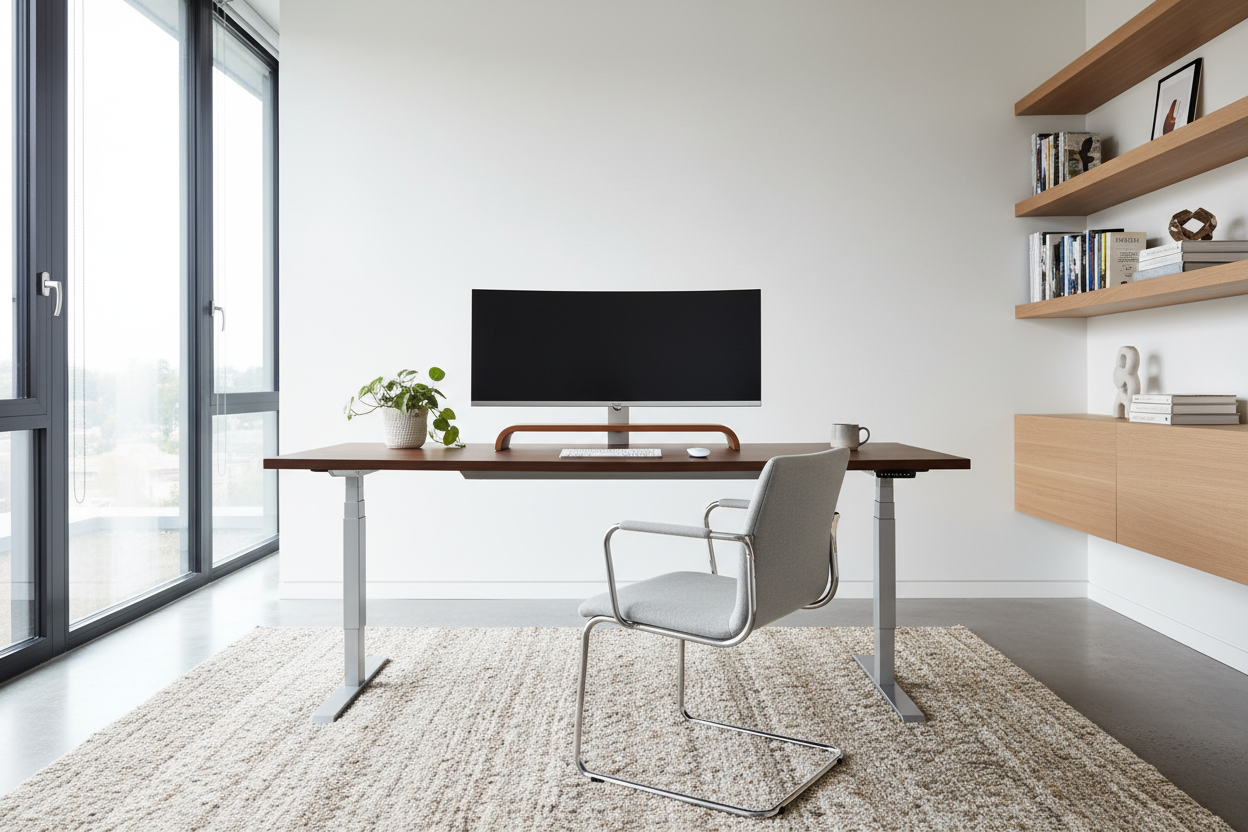
We often blame our own discipline when the mid-afternoon slump hits, frantically searching for answers on after how many hours of work does productivity decrease. While studies suggest the average human brain fatigues significantly after four to five hours of deep concentration, as an interior designer, I see a different culprit: the environment. Your willpower isn't the only thing failing; often, it is your chair, your lighting, or your spatial flow that is signaling your body to stop.
Quick Decision Guide: Designing for Endurance
If you want to extend your productive window, your workspace needs to meet specific ergonomic and aesthetic criteria. Here is what to prioritize:
- Ergonomic Rating: Look for chairs with dynamic lumbar support and adjustable seat depth to prevent physical fatigue before mental fatigue sets in.
- Material Tactility: Choose natural materials like solid wood or leather over cold glass or laminate to reduce sensory stress.
- Lighting Layers: Ensure a mix of ambient (general) and task lighting (focused) to eliminate eye strain, a primary cause of early burnout.
- Visual Zoning: Position furniture to create a distinct "focus zone" separate from relaxation areas to trigger the right mental state.
The Ergonomic Equation: Why Comfort Equals Output
In the showroom, clients often prioritize the silhouette of a chair over its mechanics. However, physical discomfort is the fastest way to shorten your workday. When the body is fighting to maintain posture in a poorly designed seat, it drains energy reserves that should be used for cognitive tasks.
To combat the natural decline in focus, invest in a chair with a synchronized tilt mechanism. This allows the backrest and seat to move in a specific ratio (usually 2:1), encouraging micro-movements that keep blood flowing. If you are aiming for the concept of working less hours more productive, those hours must be spent in a state of physical neutrality, where the furniture supports the spine's natural curve rather than forcing it straight.
Material Quality and Sensory Load
The materials you interact with have a subtle but profound impact on how long you can remain seated. Synthetic, non-breathable fabrics trap heat, causing restlessness after just an hour or two. In contrast, high-quality aniline leather or breathable architectural mesh regulates body temperature.
Solid Wood vs. Veneer Surfaces
Consider your desk surface. Cold materials like glass or polished stone can be jarring to the forearms, subconsciously encouraging you to lift your arms or lean back, breaking your workflow. Solid wood, particularly walnut or oak with a matte oil finish, offers a warmer tactile experience. It absorbs sound rather than reflecting it, contributing to a quieter, more focused acoustic environment.
Visual Balance and Spatial Planning
Clutter is visual noise. If your peripheral vision is filled with disorganized shelving or mismatched furniture styles, your brain creates a background "task" of processing that chaos. To maximize the hours before productivity decreases, employ "negative space" in your layout.
Position your desk to face the room (the "command position") or a window with a view, rather than facing a blank wall. This provides a necessary focal point for the eyes to rest during brief pauses, resetting your attention span without requiring you to leave the desk entirely.
Lessons from My Own Projects: The "Glass Desk" Mistake
I once designed a home office for a high-frequency trader who insisted on a sleek, tempered glass desk with chrome legs. It looked architectural and stunning in the photos. However, three months later, he called me complaining that he couldn't sit there for more than two hours at a time. He felt "exposed" and restless.
The issue wasn't his work ethic; it was the furniture. The glass caused a subtle glare from his monitors that fatigued his eyes, and the cold surface on his wrists was uncomfortable. Furthermore, the transparency meant he saw the tangle of cords and his own restless legs, creating visual busyness. We swapped it for a solid white oak desk with a leather writing blotter. The difference was immediate. The leather provided a soft landing for his wrists, and the wood anchored the room. He went from feeling burned out at 11 AM to working comfortably until late afternoon. It taught me that luxury isn't just about how a piece looks; it's about how it supports the human body over time.
Conclusion
While biology dictates that our focus eventually wanes, your interior design dictates whether that happens at hour two or hour six. By investing in tactile materials, proper ergonomics, and a calm visual layout, you build a space that respects your energy levels. Don't just decorate your office; engineer it for endurance.
Frequently Asked Questions
How does lighting temperature affect productivity duration?
Lighting temperature is crucial. Cool light (3500K-4000K) mimics daylight and suppresses melatonin, keeping you alert for longer periods. However, you should switch to warmer task lighting (2700K) in the evening to signal your brain to wind down.
Is a standing desk actually better for long work hours?
Yes, but not for standing all day. The benefit comes from the ability to change posture. Alternating between sitting and standing every 60 to 90 minutes prevents the physical stiffness that often leads to a mental productivity drop.
Does desk depth really matter for focus?
Absolutely. A shallow desk (under 24 inches) forces your monitor too close to your eyes, causing digital eye strain. A deeper desk (30 inches+) allows you to push screens back and rest your forearms fully, reducing tension in the shoulders and neck.

Leave a comment
This site is protected by hCaptcha and the hCaptcha Privacy Policy and Terms of Service apply.