










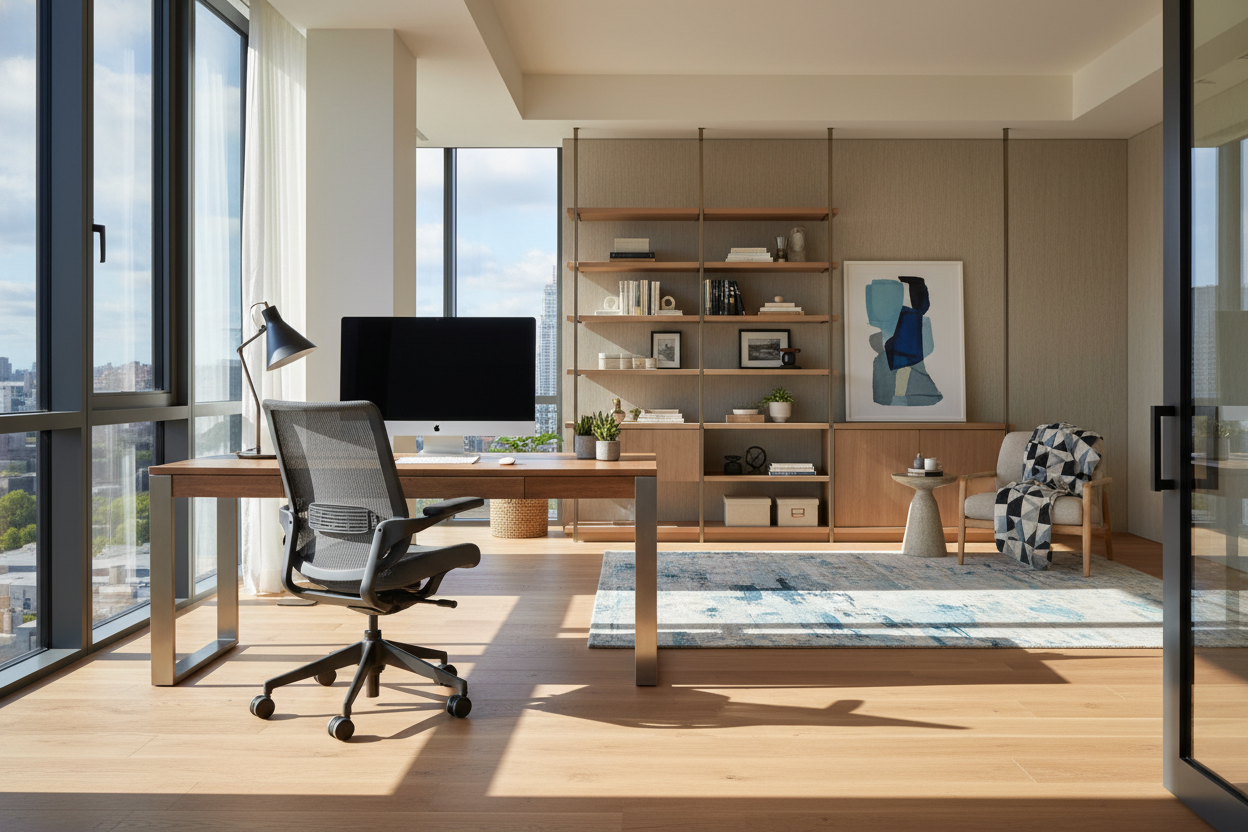
There is a distinct difference between a workspace that merely functions and one that inspires. As a designer, I often see homeowners treat their workspace as an afterthought, prioritizing utility over atmosphere. The truth is, the right environment dictates your productivity. Whether you are outfitting a dedicated study or a carved-out corner of the living room, selecting new office furniture is about balancing architectural integrity with ergonomic necessity. It is not just about filling a room; it is about curating a workflow.
Key Features to Look For
- Material Authenticity: Prioritize solid woods or high-grade veneers over hollow-core laminates for longevity and tactile warmth.
- Ergonomic Adjustability: Look for chairs with synchronized tilt mechanisms and desks that accommodate your natural elbow height.
- Visual Weight: Ensure the scale of the furniture matches the room size; heavy silhouettes can suffocate small spaces.
- Cable Management: Integrated channels are essential to maintain a clean, distraction-free aesthetic.
Choosing the Right Material
The tactile experience of your workspace is just as critical as the visual one. When sourcing office furniture new to the market, you will encounter a vast array of finishes. For a luxury aesthetic, walnut and white oak remain timeless contenders. They offer a warmth that counteracts the sterility of computer screens and tech gadgets.
However, do not shy away from mixed media. A desk featuring a shagreen or leather-wrapped top not only elevates the texture of the room but also serves as a functional writing surface that prevents mouse slippage and reduces the clamor of placing down a coffee mug. Avoid high-gloss synthetics if you want a sophisticated look; they tend to attract dust and fingerprints, instantly degrading the room's polish.
Space Planning & Visual Flow
The most common error I witness is the "wall-hugging" layout. Pushing a desk directly against a wall is often a mistake unless space is extremely limited. It creates a claustrophobic visual field where you stare at paint rather than the room.
The Command Position
Ideally, position your desk in the "command position"—facing the door but not directly in line with it. This anchors the room and establishes a focal point. If you are integrating a credenza or bookshelves, ensure there is at least 36 to 48 inches of clearance behind your chair to allow for smooth movement without scuffing the flooring or cabinetry.
Ergonomics Meets Aesthetics
Historically, ergonomic furniture was synonymous with bulky, unattractive plastic structures. Fortunately, modern design has evolved. You no longer need to sacrifice a sleek silhouette for lumbar support. Look for task chairs that hide their mechanisms within the frame or under the seat pan.
When selecting a desk, consider the apron height (the vertical piece of wood under the top). A deep apron can look substantial and regal, but it often prevents you from crossing your legs or adjusting your chair height correctly. Always measure the clearance from the floor to the underside of the desk drawer.
Lessons from My Own Projects
I want to share a specific regret from a project I did early in my career—and it’s a mistake I see people making constantly with modern trends. I once specified a stunning, architectural glass-top desk for a client who wanted a "light and airy" feel. Visually, it was a masterpiece. Practically? It was a nightmare.
Within a week, the client called me. The glass was perpetually cold to the touch, making it uncomfortable to rest forearms on while typing. Worse, the optical mouse didn't track well on the transparent surface without a pad (which ruined the look), and every single fingerprint or speck of dust was magnified by the overhead lighting. We eventually had to commission a custom leather blotter to cover 60% of the glass just to make it usable. Now, when I advise clients on sleek surfaces, I always check the thermal comfort and maintenance reality before we sign the purchase order.
Conclusion
Investing in your workspace is an investment in your mindset. By focusing on quality materials, proper scale, and intelligent layout, you can create a space that feels less like a cubicle and more like a sanctuary of thought. Take your time, measure twice, and choose pieces that will age gracefully alongside your career.
Frequently Asked Questions
How do I mix wood tones in a home office?
The general rule is to keep the undertones consistent. If your floor is a warm honey oak, look for walnut or cherry furniture which shares warm undertones. Avoid mixing cool, gray-washed woods with warm, red-based woods, as this creates visual dissonance.
Is a standing desk worth the aesthetic compromise?
Absolutely, but you don't have to compromise. Many high-end manufacturers now offer sit-stand mechanisms concealed within solid wood legs or credenzas. Look for "executive" style lifting desks that hide the telescoping metal legs.
What is the ideal desk size for a home office?
For a primary workspace, aim for a surface at least 60 inches wide and 30 inches deep. This provides enough depth for a monitor to sit at an appropriate distance from your eyes while leaving space for a notebook and lamp.
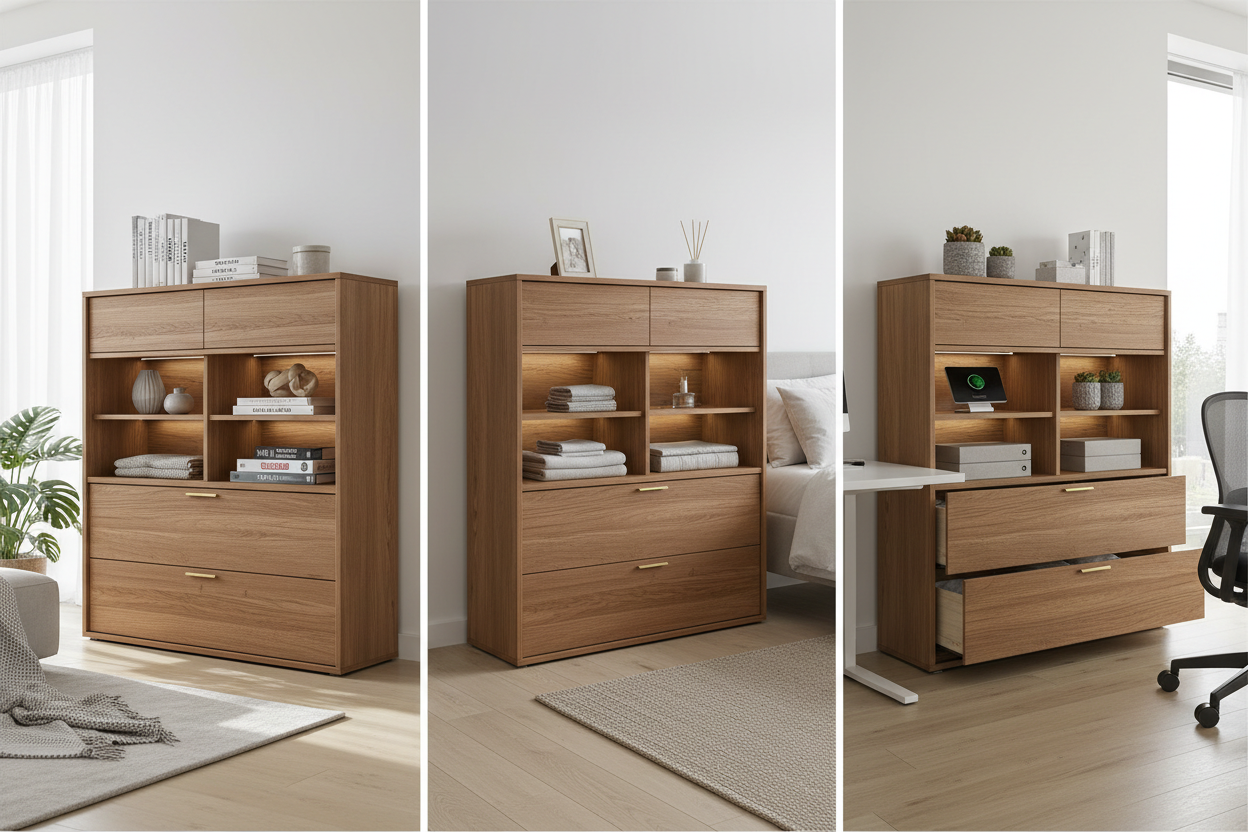
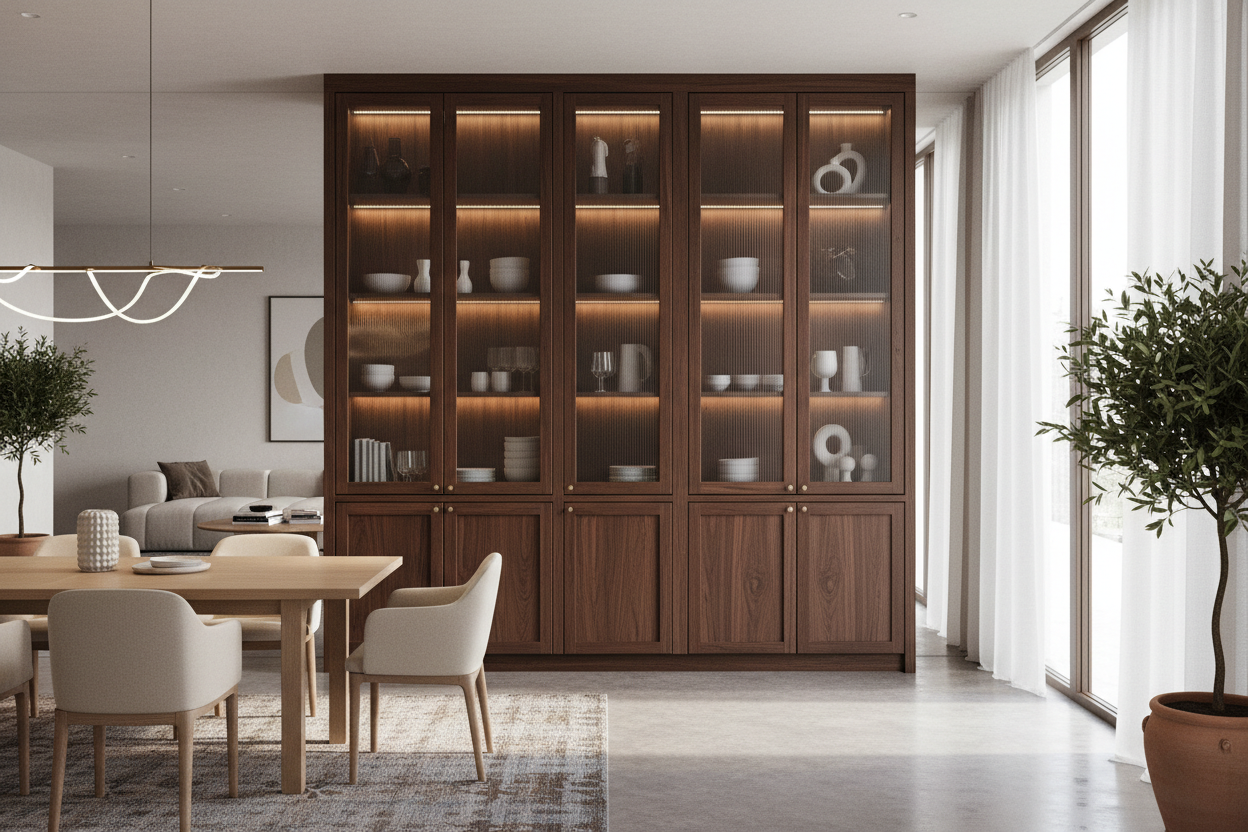

Leave a comment
This site is protected by hCaptcha and the hCaptcha Privacy Policy and Terms of Service apply.