










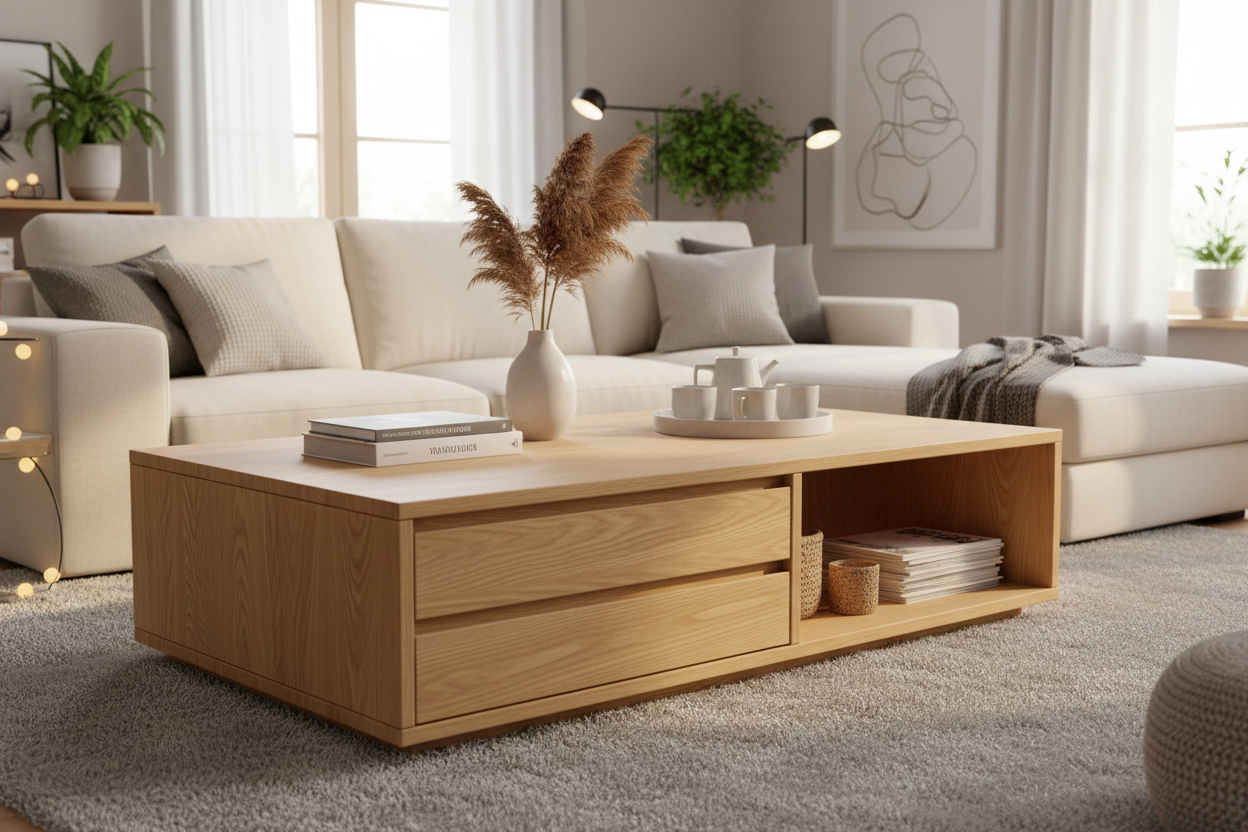
Clutter has a way of accumulating on flat surfaces faster than we can clear it. Whether it is the dining area, the entryway, or a home office, a flat surface often becomes a magnet for mail, keys, and miscellaneous items. The solution isn't necessarily to get rid of the table, but to upgrade the furniture itself. A wood table with shelf storage offers a practical remedy that balances aesthetic warmth with aggressive organization. By utilizing vertical space—either above or below the main surface—you effectively double the utility of the furniture footprint without taking up more floor space.
Integrating storage directly into furniture design is a concept as old as carpentry itself, yet it often gets overlooked in favor of sleek, minimalist designs that offer zero functionality. Opting for a wood table with shelves brings a tactile, organic element to a room while solving the storage crisis. Wood, unlike metal or glass, forgives scratches and ages well, making it the ideal material for high-traffic pieces that serve a dual purpose.
The Functional Appeal of Under-Table Storage
Most standard tables leave a massive void of unused space between the tabletop and the floor. This is prime real estate for storage. In a living room setting, a coffee table equipped with a lower deck changes the dynamic of the room. Instead of stacking magazines, remotes, and coasters on the top surface where you want to set your drink, you can relegate them to the lower tier.
I recall hunting for a console table for my own entryway a few years back. The hallway was narrow, and I needed a place to drop keys and mail, but I also needed to store winter gloves and the dog's leash. A standard parson's table would have looked nice but offered no help with the mess. I eventually found a reclaimed oak wood table with shelf storage underneath. That single lower plank became the designated zone for two woven baskets. Suddenly, the messy items were hidden in plain sight, and the beautiful wood grain on top remained visible and uncluttered. It transformed the entryway from a drop zone into a styled vignette.
Workspaces and Verticality: The Shelf on Top
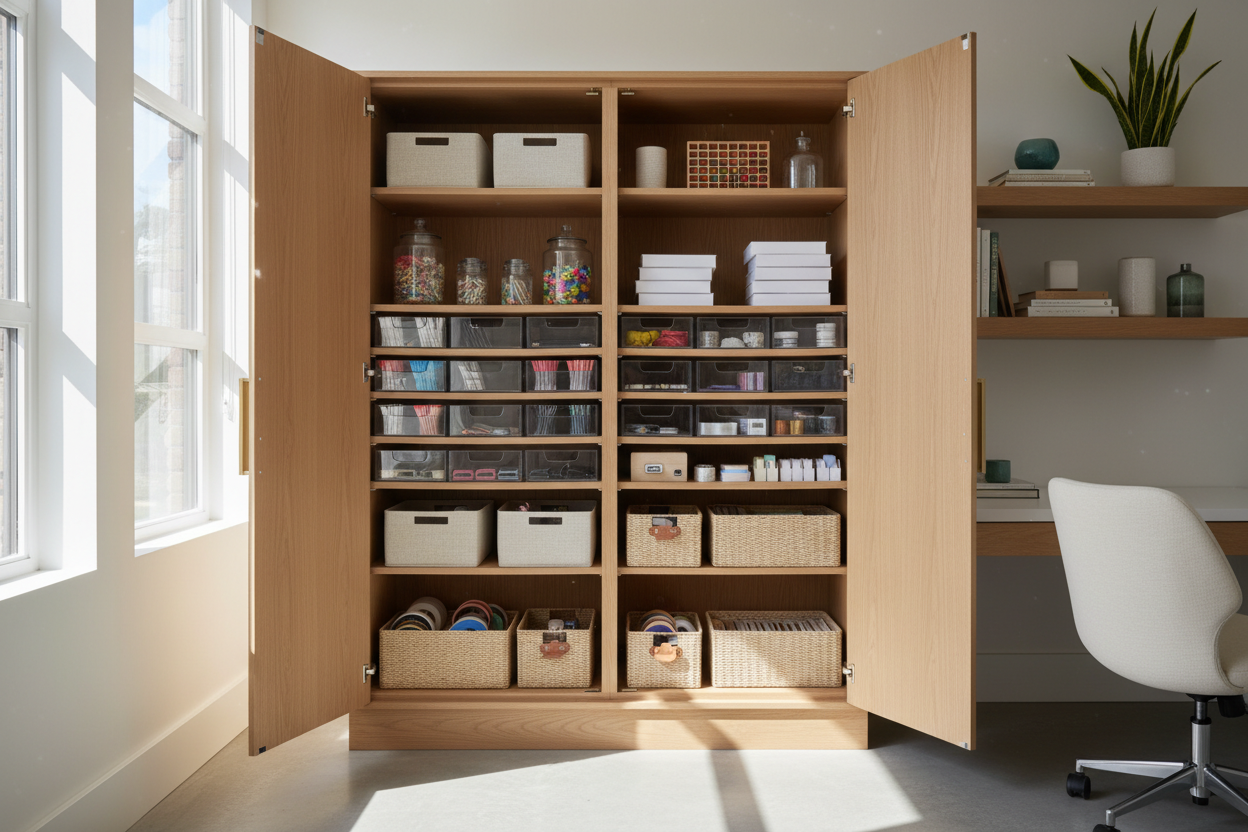
While under-table storage is excellent for living areas, workspaces often require a different approach. If you are setting up a home office or a crafting station, looking for a table with shelf on top creates an immediate workflow improvement. Often referred to as a hutch or a secretary desk configuration, this setup puts essential tools at eye level.
The ergonomics of this setup are superior to using drawers. When you are working, having to slide a drawer open breaks your concentration. Having a monitor riser or a full hutch shelf allows you to grab a pen, a reference book, or a stapler without moving your chair. This configuration is particularly effective in small apartments where you cannot afford a separate bookcase. The desk becomes a self-contained office unit.
Choosing the Right Wood for Durability
Not all lumber handles weight the same way. When you introduce shelves to a table, you are inviting weight. People tend to load these shelves with heavy hardcover books, ceramic pottery, or stacks of paper. A particle board table with a veneer finish might look like solid wood, but it will sag under the weight over time. This bowing effect ruins the lines of the furniture and compromises structural integrity.
Hardwoods are the gold standard here. Oak, maple, and walnut are dense enough to support heavy loads across a span without warping. If you prefer a rustic aesthetic, pine is a popular choice, but it is softer. If you choose a pine wood table with shelves, ensure the wood is thick enough (at least an inch) to prevent sagging, or look for a design that has center supports. The joinery also matters. Look for dovetail or mortise-and-tenon joints rather than simple screws and glue, especially if the shelves are carrying a significant load.
Styling Your Storage to Avoid the "Cluttered" Look
Possessing extra storage space comes with a risk: filling it with junk. A table with open shelving exposes everything to the eye. If you treat the shelf like a junk drawer, the room will look messier than before. The key is intentionality.
Use containers to break up the visual noise. Woven baskets, wooden crates, or fabric bins can slide onto a lower shelf to hold unsightly items like charging cables or gaming controllers. Leave some negative space. If you pack a shelf edge-to-edge, it feels heavy and imposing. Alternating between a stack of books and a decorative object, like a small plant or a sculptural piece, keeps the arrangement breathing. This approach highlights the beauty of the wood rather than obscuring it behind a wall of stuff.
The Versatility of Kitchen Islands and Dining Tables
The concept extends into the culinary space as well. A kitchen prep table or island is infinitely more useful when it includes open shelving. In a chef's kitchen, seeing your ingredients and tools is part of the process. A heavy maple butcher block table with a slatted shelf underneath allows for air circulation, making it perfect for storing root vegetables like onions and potatoes in baskets, or for keeping heavy cast iron cookware easily accessible.
For smaller dining rooms, a dining table featuring a central pedestal shelf can act as a mini-bar or a place to store napkins and placemats. It keeps the tabletop clear for meals while ensuring the necessities are right there when you sit down to eat.
Maintenance and Care for Shelf Surfaces
Dust accumulation is the one downside to open shelving. A wood table with shelf components requires a bit more dusting than a standard table. Because items are stationary on the shelves, dust settles around them. When cleaning, it is best to remove all items rather than wiping around them. Use a microfiber cloth and a wood-specific cleaner that nourishes the grain. Avoid harsh chemical sprays that can strip the finish, especially on the lower shelves where spills might go unnoticed for longer periods.
Investing in furniture that works harder for you is a design philosophy that pays off daily. Whether it is a desk with a hutch for your office or a coffee table with a lower deck for your living room, these pieces anchor a room. They provide the warmth and texture that only natural material can offer, while silently handling the organization that keeps a home running smoothly.
Frequently Asked Questions
How much weight can a lower shelf on a wood table typically hold?
This depends entirely on the wood type and thickness. A solid oak shelf can usually support 40-50 pounds without issue, while thinner composite woods may start to bow at 15-20 pounds. Always check the manufacturer's specifications or look for center support legs for wider spans.
Is a table with a shelf on top better than wall-mounted shelves?
A table with an attached hutch or top shelf is often better for renters or those who rearrange furniture frequently, as it requires no drilling into walls. It also ensures the storage moves with the workspace, keeping your essentials ergonomically aligned with the desk.
How do I stop the lower shelf from becoming a dust magnet?
Regular maintenance is key, but using baskets or bins can help reduce the surface area where dust settles. Additionally, applying a high-quality furniture wax or polish can create a barrier that makes wiping away dust easier and protects the wood grain.


Leave a comment
This site is protected by hCaptcha and the hCaptcha Privacy Policy and Terms of Service apply.