










Walking into a showroom often feels like entering a different dimension. The lighting is engineered to flatter, the ceilings are impossibly high, and every piece seems to sit perfectly in the vignette. However, the most common design regret I hear from clients involves rushing the purchase of their core furniture and sofa without considering how these pieces interact within a real architectural envelope. It is not just about buying a seat; it is about anchoring your living space with a piece that dictates the flow, comfort, and aesthetic of the entire room.
Quick Decision Guide
If you are standing in a store right now, scan this list to ensure you are making a structural investment rather than a cosmetic mistake:
- Frame Integrity: Always ask for kiln-dried hardwood. Avoid particleboard or metal staples if you want longevity.
- Suspension System: Eight-way hand-tied springs are the gold standard, but high-gauge sinuous springs are acceptable for modern, low-profile silhouettes.
- Rub Count: Check the fabric tag. For a daily-use sofa, you need a minimum of 15,000 double rubs (heavy-duty is 30,000+).
- Seat Depth: Standard depth is 21-24 inches. Anything deeper requires throw pillows for back support but offers better lounging.
Breaking the "Matching Set" Habit
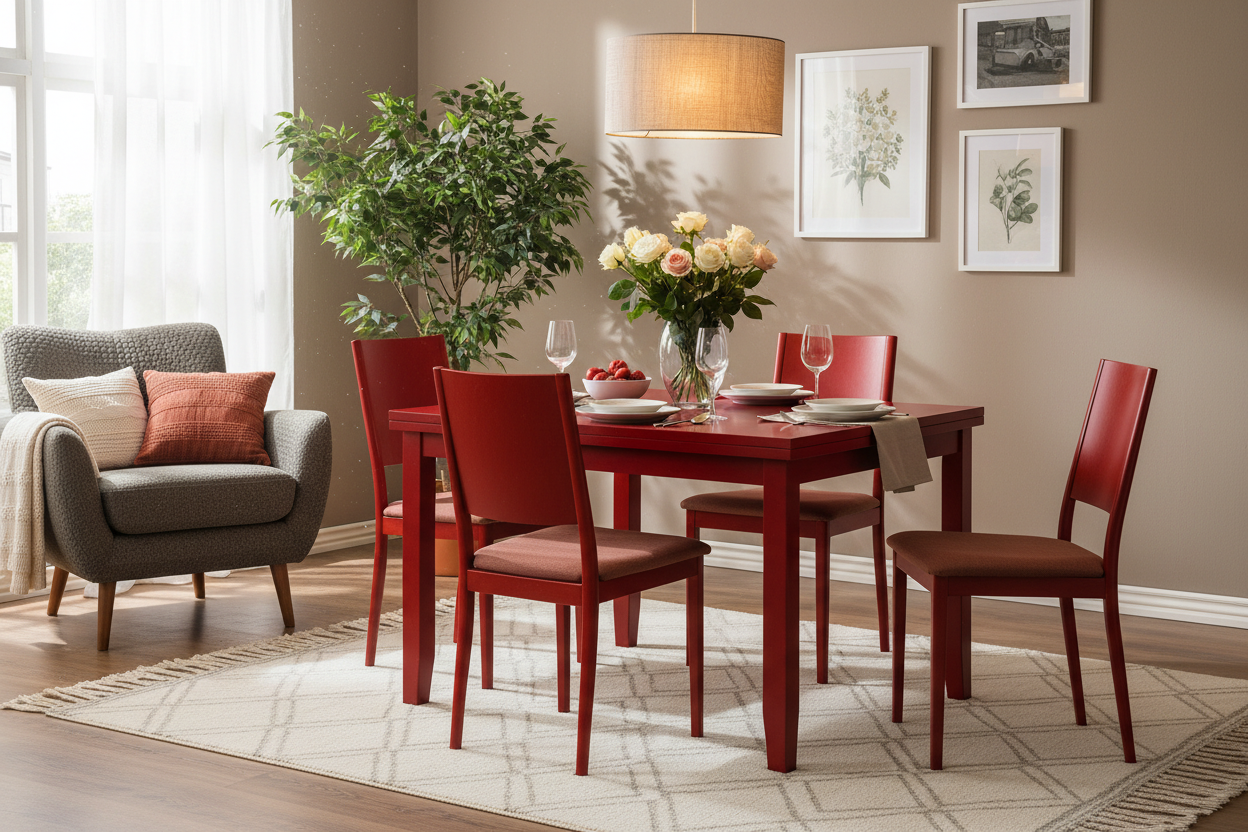
One of the quickest ways to flatten the energy of a room is purchasing a "suite"—where the sofa, loveseat, and armchair all share the exact same fabric and silhouette. In high-end design, we focus on curation, not replication. When selecting accent furniture for sofa pairings, aim for contrast in texture and form.
If your sofa is a heavy, velvet Chesterfield, pair it with armchairs that have exposed wood frames or sleek metal legs to reduce the visual weight. This creates a dialogue between the pieces rather than a monologue.
Assessing Build Quality and Material
The interior of your furniture matters more than the exterior. A beautiful linen blend will slacken and pool if the foam density is too low. I always advise clients to look for high-resiliency (HR) foam wrapped in down or a down-alternative. This provides the crisp look of a structured seat with the "sink-in" comfort required for a Sunday afternoon.
Understanding Fabric Performance
Do not let the word "performance" scare you away from luxury. Modern crypton and solution-dyed acrylics have come a long way from the stiff outdoor fabrics of the past. They can mimic the hand-feel of soft chenille or woven wool while repelling red wine and pet claws. Natural fibers like cotton and linen breathe beautifully but require a relaxed attitude toward wrinkling and patina.
Space Planning and Visual Balance
Scale is the silent killer of design concepts. A common error is buying a sofa that physically fits in the room but visually chokes it. You need a minimum of 30 inches of walking path around your major furniture pieces. Furthermore, consider the silhouette’s height. If you have standard 8-foot ceilings, a high-back sofa can make the room feel claustrophobic. Opt for a lower back height to allow light to travel across the room, maintaining an airy atmosphere.
Lessons from My Own Projects
I learned a hard lesson early in my career regarding "seat pitch" that I now check on every single project. I once specified a gorgeous, deep, low-profile Italian sectional for a client who loved the minimalist aesthetic in the rendering. It looked stunning.
However, three months later, the client called me. While the sofa was perfect for lying down, the seat was so low and deep that their elderly parents physically couldn't stand up from it without assistance. The "knees above hips" angle created a gravity trap. Now, I always perform the "sit-stand test" with clients. I make them take off their shoes, curl up, and then try to stand up abruptly. If you have to rock your body weight three times to get momentum to stand, that sofa is going to become a source of frustration, no matter how beautiful the fabric is.
Conclusion
Your living room requires a foundation that balances engineering with artistry. By prioritizing the internal construction and resisting the urge to buy matching sets, you create a space that feels collected and authentic. Invest in the frame and the fabric, and the rest of the room will follow suit.
Frequently Asked Questions
How do I mix different wood tones between my sofa legs and coffee table?
Avoid trying to match them perfectly. Instead, ensure they share a similar undertone (warm vs. cool). If your sofa legs are walnut, a white oak coffee table works well because the grain patterns complement each other without competing.
What is the best way to arrange furniture for a long, narrow living room?
Float the sofa away from the wall. Placing all furniture against the perimeter creates a "bowling alley" effect. Use a rug to define a conversation zone in the center, leaving a walkway behind the sofa.
Is a sectional or a sofa/chair combination better for small spaces?
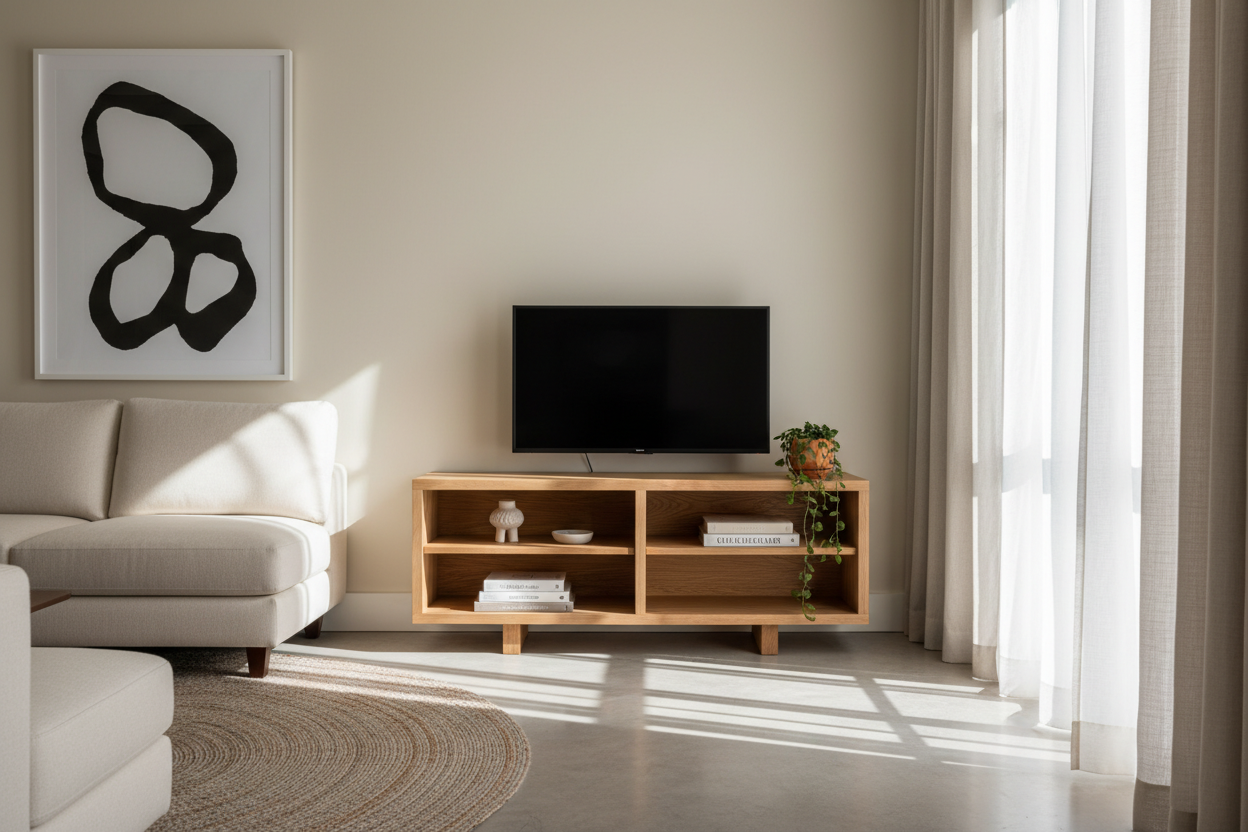
Contrary to popular belief, a single, well-proportioned sectional often makes a small room feel larger than a sofa and two chairs. The sectional unifies the visual mass, whereas multiple small pieces can make the floor plan look cluttered.

Leave a comment
This site is protected by hCaptcha and the hCaptcha Privacy Policy and Terms of Service apply.