










There is a distinct difference between a workspace that is simply 'tidy' and one that is intentionally curated. As designers, we often walk into home offices where the clutter has been shoved into mismatched plastic containers, creating a visual noise that is just as distracting as the mess itself. True diy office organization is not about hiding things away; it is about creating a bespoke system that honors both the architecture of the room and your personal workflow.
Quick Decision Guide: The Pillars of Workspace Design
Before you purchase lumber or paint, evaluate your space against these core design principles to ensure your project adds value rather than just volume:
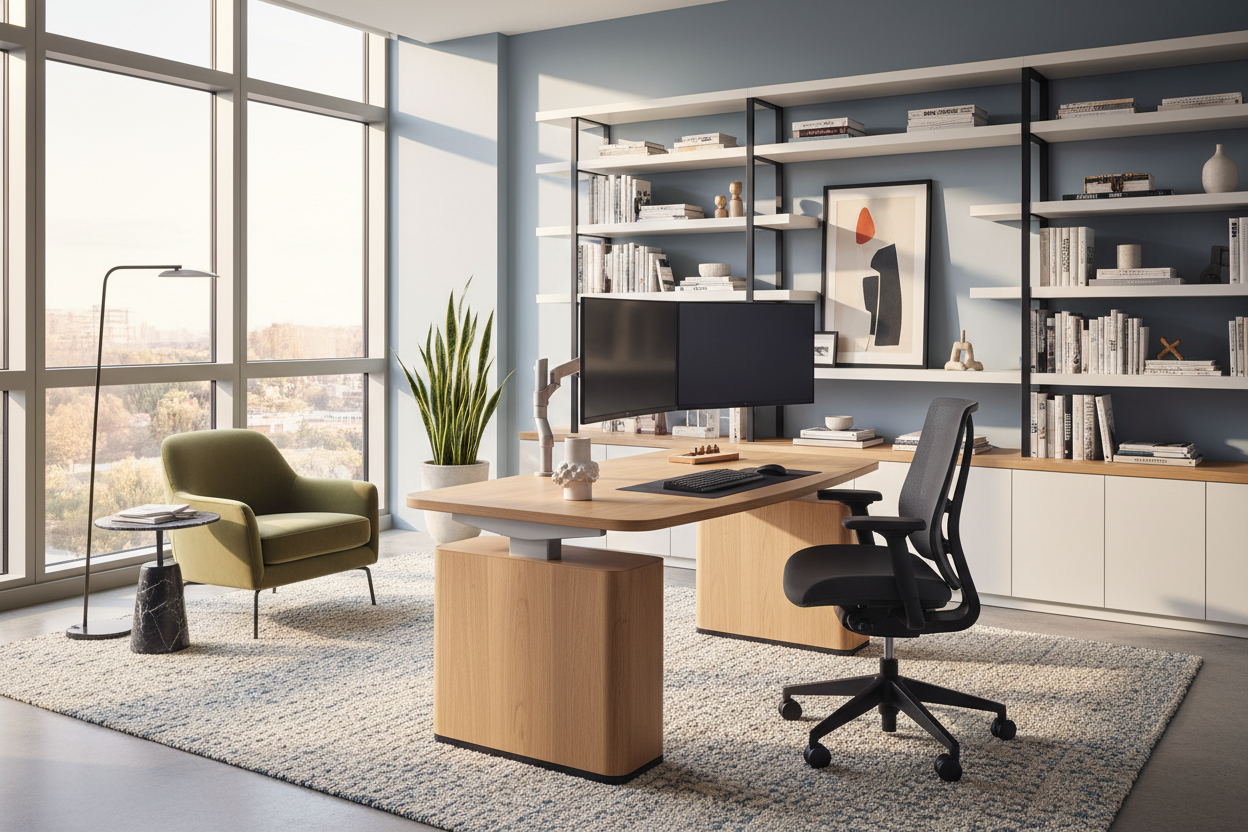
- Visual Weight: Opt for floating shelves or open-frame units to keep small rooms feeling airy, rather than heavy, solid cabinets.
- Material Integrity: Choose solid wood or high-grade plywood over particle board for structural longevity and better screw retention.
- Ergonomics: Ensure storage is placed within the 'zone of reach'—frequently used items should be accessible without standing up.
- Cohesion: Match your storage finishes (stains, paints, metals) to existing furniture to create a built-in, intentional look.
Elevating Aesthetics with Custom Materiality
When executing office organization diy projects, the choice of material dictates the perceived value of the space. While repurposing cardboard or cheap plastics is functional, it rarely elevates the design. I always advise clients to look at natural textures.
Consider constructing monitor risers or desk trays from hardwoods like Walnut or White Oak. These materials age beautifully and can be finished with natural oils like Osmo or Rubio Monocoat, providing a tactile, matte finish that resists fingerprints. If you are painting, avoid high-gloss finishes which highlight imperfections in DIY joinery; a satin finish offers the best balance of durability and light diffusion.
Verticality and Visual Balance
In smaller footprints, floor space is premium real estate. We need to draw the eye upward. A common mistake in office organization ideas diy execution is installing shelving that is too shallow or overcrowded.
The Art of the Floating Shelf
When installing floating shelves, thickness matters. A standard 3/4-inch board often looks flimsy. fake a 'chunky' aesthetic by mitering the edges or adding a face frame to create the illusion of a 2-inch thick slab. This adds architectural weight and makes the DIY element look like high-end custom millwork. Ensure you maintain negative space on these shelves; overcrowding them turns a display feature into a storage locker.
The Pegboard, Reimagined
Standard white pegboard screams 'garage.' To bring this into a professional interior, frame the pegboard with moulding that matches your baseboards. Alternatively, use a wooden dowel board system. The larger wooden pegs provide a softer, more organic silhouette compared to harsh metal hooks, making the organization system feel like a piece of wall art.
Hidden Functionality: Cable Management
Nothing ruins a clean design line faster than a nest of cables. Advanced DIY organization involves creating false backs in desks or routing channels behind shelving units. When building custom desk components, I always recommend integrating grommets or routing a channel along the underside of the surface to house power strips. This keeps the 'visual noise' at zero, allowing the design elements to breathe.
My Personal Take on DIY Office Organization
I learned a hard lesson about finish quality during a project for my own studio a few years ago. I built a custom wall-to-wall floating credenza using MDF to save on cost, intending to paint it a deep charcoal. I rushed the sanding process on the cut edges.
No matter how much primer I applied, those edges soaked up the paint like a sponge and remained rough to the touch. It drove me crazy every time I brushed my hand against it. It looked fine from the doorway, but up close, it felt cheap. I eventually had to sand it all the way back down and apply a proper wood filler and sanding sealer before repainting. Now, I tell every client: if you are going the DIY route, spend 80% of your energy on surface preparation. The difference between a 'home project' and 'custom furniture' is almost always in the sanding and the quality of the topcoat.
Conclusion
Transforming your workspace doesn't require a contractor, but it does require a designer's eye for detail. By selecting quality materials and focusing on seamless integration, your DIY efforts can result in a studio that feels luxurious, productive, and uniquely yours.
Frequently Asked Questions
What is the best wood for DIY desk organizers?
Hardwoods like Maple or Oak are superior because they are dense and durable. Softwoods like Pine dent easily when written on. If you use plywood, ensure it is Baltic Birch, which has a void-free core and attractive exposed edges.
How do I organize a small office without it feeling cluttered?
Focus on closed storage for the bottom third of the room (cabinets) and open storage for the top third (shelves). This grounds the room while keeping the sightlines open. Utilize the back of doors or inside cabinet doors for small items to keep surfaces clear.
Is it cheaper to DIY office organization or buy it?
If you are comparing against high-end furniture, DIY is significantly cheaper and offers better fit. However, if you are comparing against budget retailers like IKEA, DIY may cost more in materials and time, but the result will be far more durable and custom-fitted to your space.

Leave a comment
This site is protected by hCaptcha and the hCaptcha Privacy Policy and Terms of Service apply.