










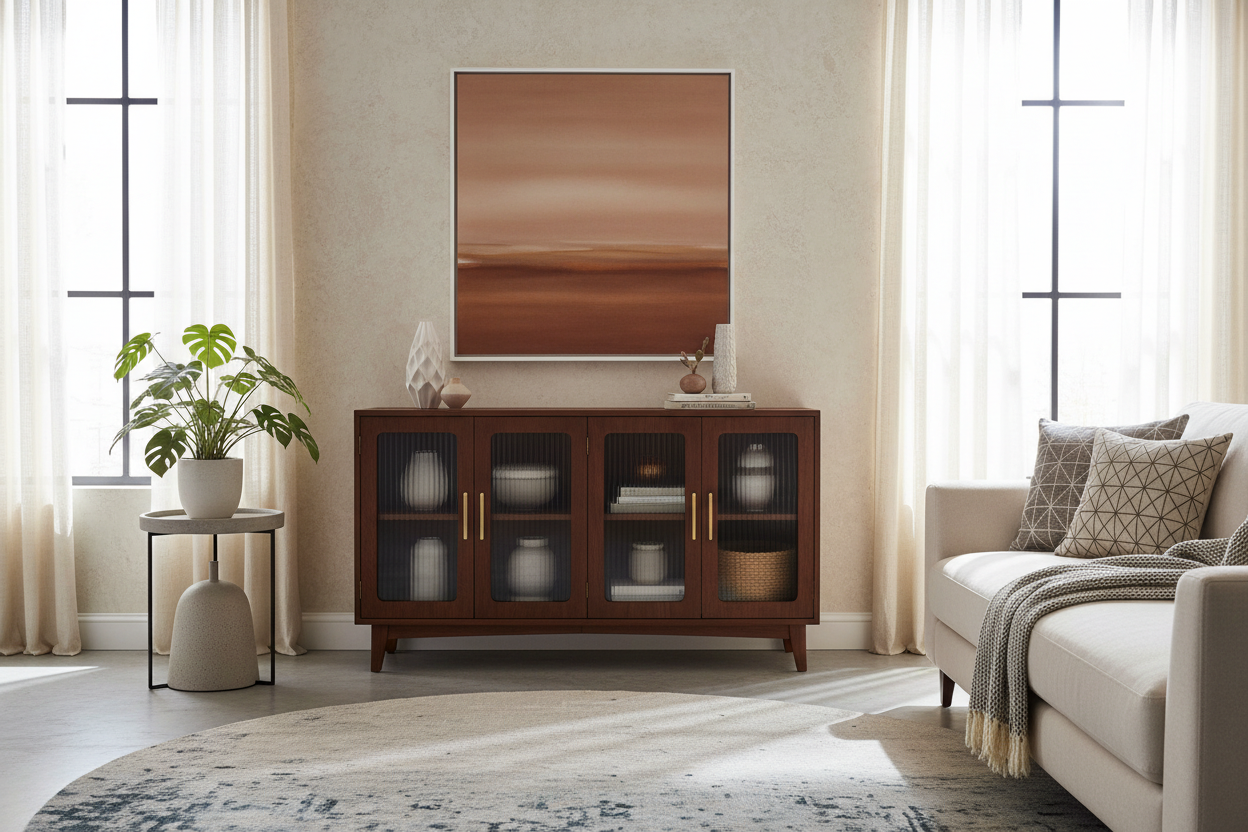
I have lived in five apartments in six years. I have hauled boxes up third-floor walk-ups and shoved oversized sofas into elevators that smelled like wet dog. In that time, I’ve learned that most furniture is disposable. You buy a cheap desk, it wobbles, you leave it on the curb. But a solid **accent cabinet**? That is the one piece that survives every move, mostly because it’s the Swiss Army knife of interior design.
The problem is that most people buy for the 'now' instead of the 'next.' They see a tiny, neon-colored chest on sale and think it’s cute, only to realize three months later that it holds exactly two books and a coaster. I’ve been there. I once bought a 'vintage' trunk that turned out to be made of glorified cardboard. It lasted exactly one move before the bottom fell out, literally. If you want a piece that actually works, you need to follow a few strict rules.
Quick Takeaways
- Prioritize mixed storage: A mix of drawers and doors is always better than just shelves.
- Scale for your next home: A long accent cabinet works in living rooms, while tall pieces fit narrow hallways.
- Material matters: Avoid thin MDF with paper veneers; look for solid wood or high-quality engineered wood with real weight.
- Style for versatility: Choose a piece that can transition from a bar cabinet to an office catch-all.
Stop Buying Hyper-Trendy Storage Pieces
We’ve all seen them on Instagram: the ultra-curvy, pastel-pink storage units that look like they were designed for a cartoon. They look great in a professional photoshoot with perfect lighting, but in a real living room? They’re a nightmare. These pieces are usually 'accent' in name only. They lack the depth to hold a standard board game box and the structural integrity to support anything heavier than a candle.
When you’re looking at accent cabinets for living room use, avoid anything that feels too 'themed.' That coastal-distressed look might be fun in your beach house phase, but it’s going to look ridiculous when you move into a mid-century modern apartment. I’ve seen too many people drop $400 on a piece of furniture that they can’t give away two years later because it’s so niche. Go for clean lines and actual weight. If you can lift the entire cabinet with one hand, it’s not furniture—it’s a prop.
Real living room accent cabinets should feel grounded. I look for pieces with a bit of heft—at least 50 to 70 pounds for a small unit. That weight usually means better joints and thicker panels that won't sag the moment you put a stack of heavy coffee table books on top. Don’t fall for the 'paper' veneer trap either. If the finish feels like a sticker, it will peel at the first sign of humidity.
Rule 1: Always Mix Your Storage Types
The biggest mistake I see is people buying a cabinet that is just one big open space behind two doors. It seems useful until you realize you’re just stacking things in a dark hole where you can never find the item at the bottom. You need a cabinet with doors and drawers to actually stay organized.
Drawers are for the 'chaos'—the batteries, the mail you haven't opened, the extra charging cables, and the coasters. Doors with adjustable shelves are for the bulky stuff, like that oversized mixer you only use twice a year or your collection of 12-inch vinyl records. An accent storage cabinet with doors alone forces you to buy extra bins just to keep things from falling out. When you have integrated drawers, the piece becomes room-agnostic. It works as a sideboard in the dining room, a dresser in a guest room, or a media console in the den.
I personally look for an accent cabinet with drawers and shelves that offers at least one deep drawer. Most 'decorative' drawers are only two inches deep—barely enough for a pen. You want something that can swallow a deck of cards or a remote control without jamming. This mix of accent storage options is what separates a piece of furniture from a box that just sits against the wall.
Rule 2: Master the Height-to-Width Ratio
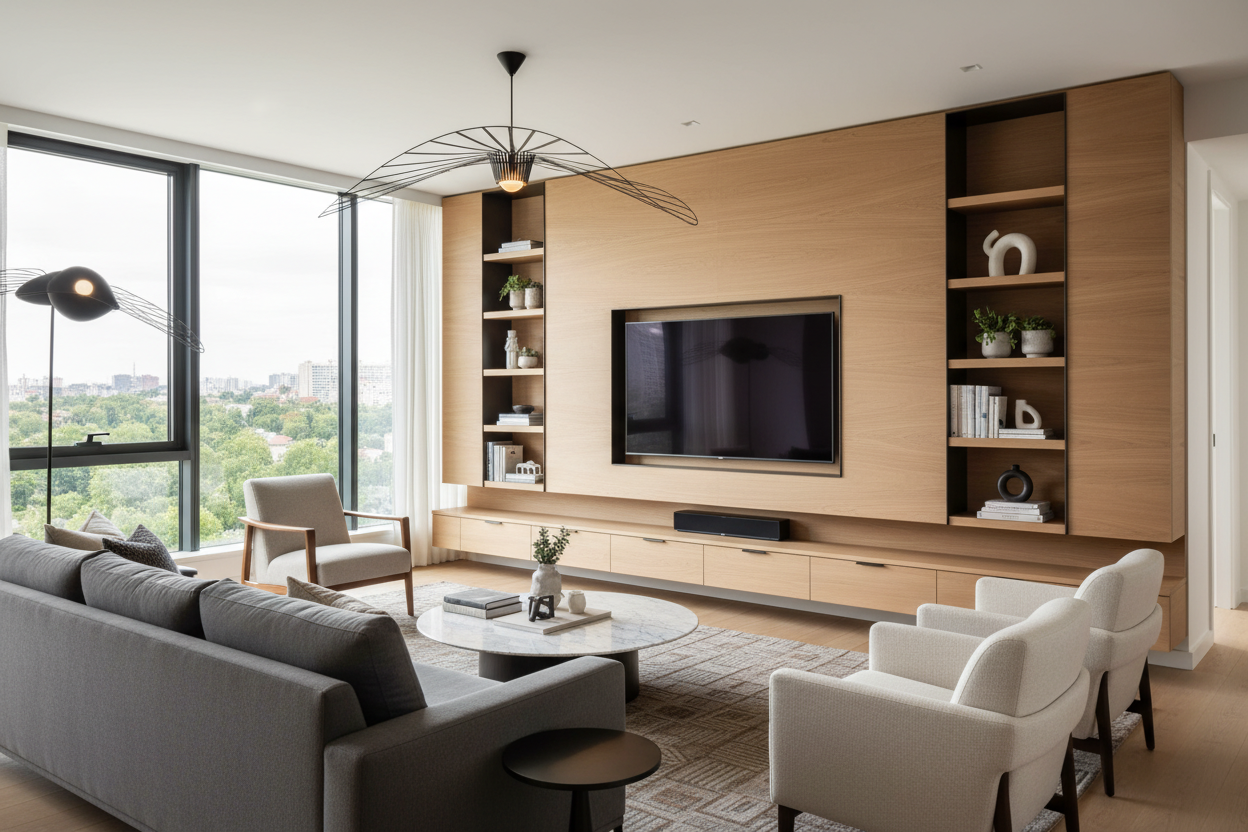
Size is where most people mess up. They buy a small accent cabinet for a massive wall, and it looks like a postage stamp. Or they try to squeeze a wide sideboard into a narrow hallway and end up bruised every time they walk past it. If you have a long, empty wall in a lounge, go for a long accent cabinet. A piece that is at least 60 inches wide can anchor a TV or a large piece of art, making the room feel intentional rather than cluttered.
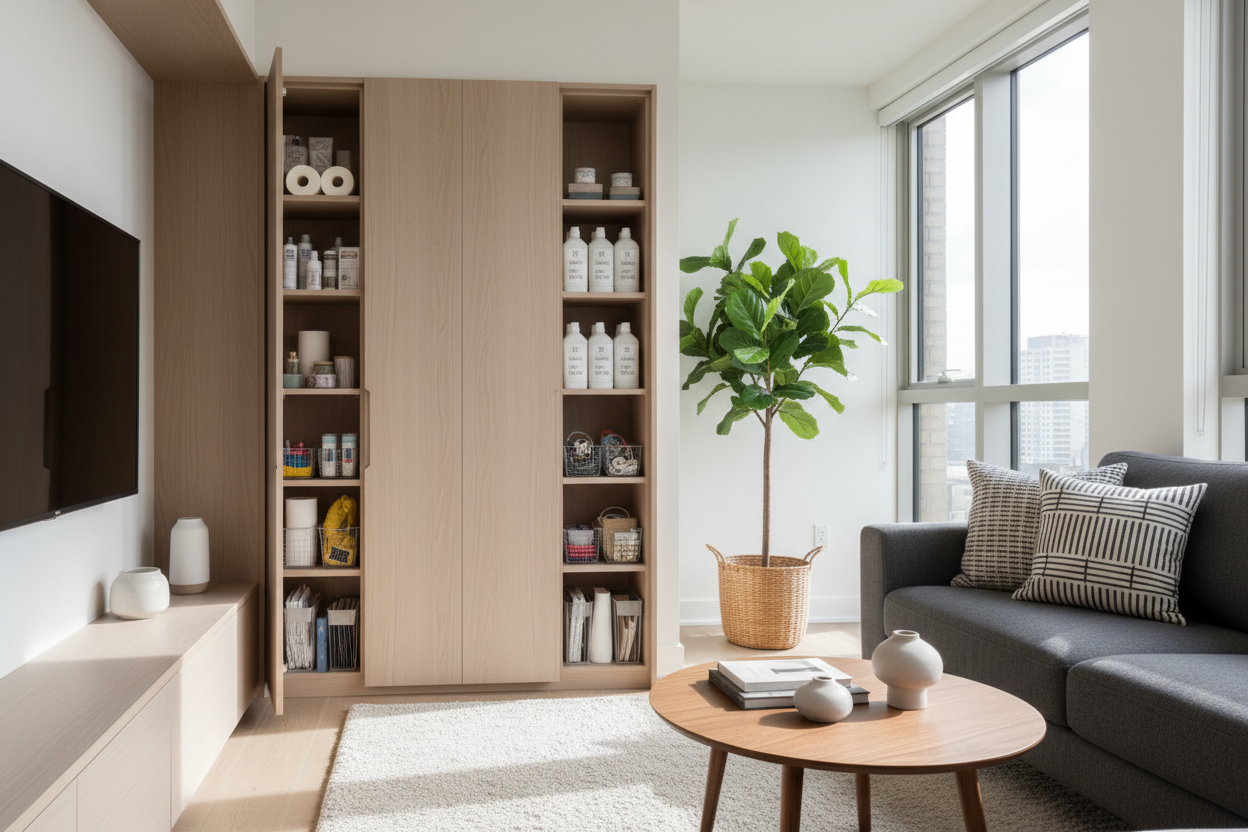
However, if you're dealing with a tight entryway or an awkward corner in a dining room, go vertical. A tall 2 door accent cabinet is the secret weapon for small-space living. It gives you the storage of a much larger piece without eating up your floor space. I once lived in a 450-square-foot studio where a tall, narrow cabinet was the only thing that kept my 'office' supplies from taking over my 'bedroom' (which were the same room).
When measuring, don't just look at the width. Check the depth. A standard accent storage cabinet with doors is usually 15 to 18 inches deep. If you're putting it in a high-traffic hallway, look for 'slim' or 'shallow' options that are closer to 12 inches. Those extra three inches are the difference between a smooth walk and a stubbed toe. Also, consider an accent cabinet with doors and drawers that sits on legs. Seeing the floor underneath the piece makes a small room feel much larger than a cabinet that sits flush on the carpet.
Rule 3: Don't Be Afraid of Glass (If You Can Style It)
Solid wood cabinets are great for hiding messes, but they can feel like a heavy 'block' in a room. If your space feels cramped, a decorative accent cabinet with glass doors can break up that visual weight. It adds a layer of depth because your eye travels 'into' the piece rather than hitting a flat wooden wall. This is why an accent display cabinet is a classic—it shows off your personality without letting dust settle on your favorite things.
I’m a huge fan of high-contrast pieces, like a black cabinet with glass doors. It looks sophisticated and expensive, even if it wasn't. The key is what’s inside. If you’re the type of person who just shoves random papers and plastic containers into your cabinets, stay away from glass. You’ll just be putting your mess on display. But if you have a few nice vases, some linen-bound books, or even just some neatly stacked white plates, glass doors make the room feel like a curated gallery.
If you're worried about the 'clutter' look but want the lightness of glass, look for fluted or reeded glass. It’s a huge trend right now for a reason—it blurs the contents while still letting light pass through. It’s the perfect middle ground for an office accent cabinet where you might have ugly binders that you don't want the world to see clearly.
My Favorite Room-Agnostic Picks
If you want one piece that can do it all, look for a modern accent cabinet with doors that doesn't scream one specific style. I tend to gravitate toward mid-tone woods or matte blacks. These are the chameleons of the furniture world. I’ve seen a well-built accent cupboard start its life as a nursery changing table, move to a dining room as a bar, and end up in a home office holding printer paper.
One of my favorite finds is a versatile console table for living room or dining room that hits all the marks: it has the right height for a hallway, the drawer space for junk, and the shelf height for taller items. It’s the kind of piece you don't sell on Craigslist when you move; you just find a new corner for it.
Don't get distracted by accent cabinet deals that seem too good to be true. If a large accent cabinet with doors is priced under $100, the hardware is going to fail within six months. Spend the extra money on something with soft-close hinges and metal drawer slides. Your future self—the one who isn't screaming at a stuck drawer at 11 PM—will thank you.
FAQ
What is the difference between a sideboard and an accent cabinet?
It’s mostly about size and intent. Sideboards are typically longer and designed for dining rooms to hold platters. An accent cabinet is more compact and can go anywhere—from an entryway to a bedroom. Think of the accent cabinet as the sideboard's more flexible younger sibling.
How do I style the top of an accent cabinet?
Follow the 'Rule of Three.' Use one tall item (like a lamp), one wide item (like a tray or a stack of books), and one organic item (like a plant). This creates a balanced look that doesn't feel cluttered. Avoid covering the whole surface; negative space is your friend.
Can I use an accent cabinet as a TV stand?
Yes, provided it's wide enough and the height is right. For most sofas, you want the TV at eye level, which means a cabinet height of 28 to 32 inches is ideal. Just make sure the cabinet is rated for the weight of your TV, especially if it's an older, heavier model.

Leave a comment
This site is protected by hCaptcha and the hCaptcha Privacy Policy and Terms of Service apply.