










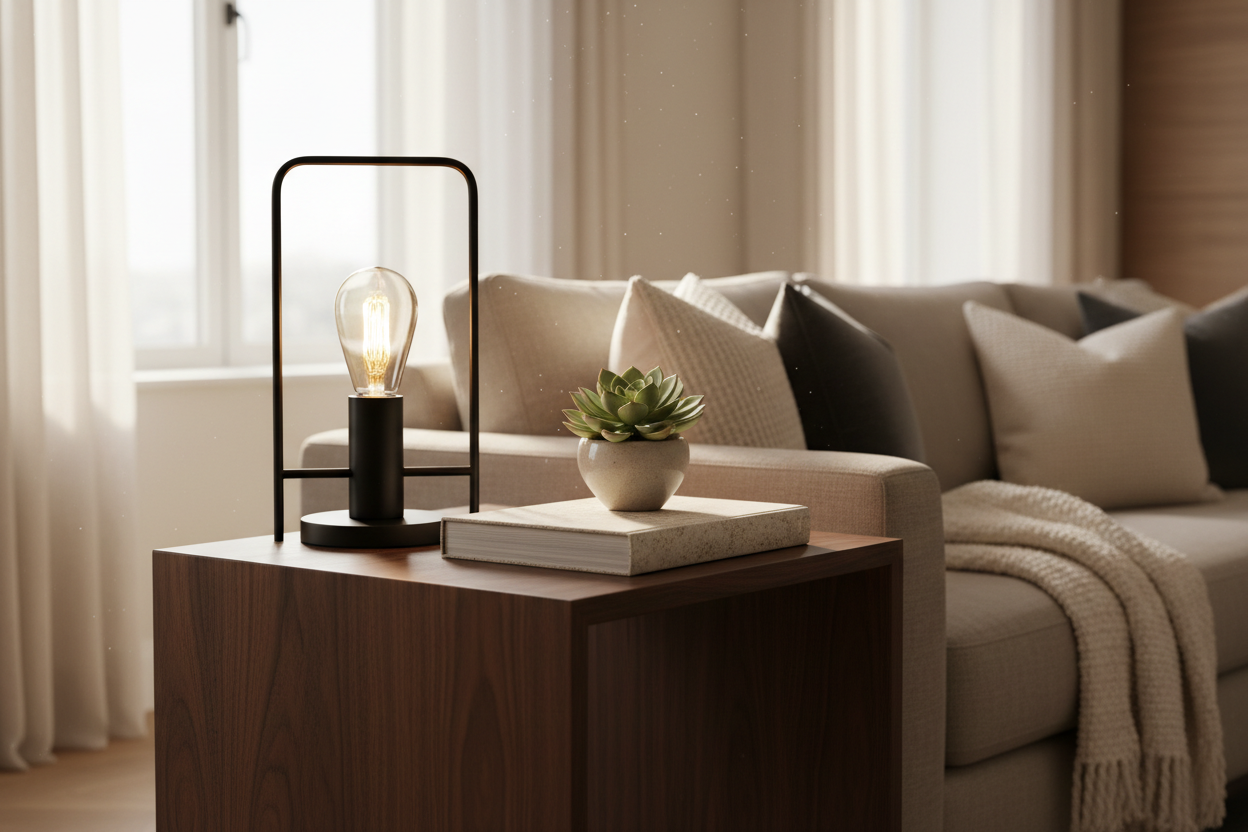
Adding a dark wood side table to a room is one of the quickest ways to introduce depth and maturity to an interior design scheme. While light woods and acrylics have their moment in trendy, airy spaces, dark timber offers a sense of permanence and gravity that other materials struggle to replicate. Whether you are furnishing a cozy den or looking for contrast in a bright, all-white living area, these pieces act as visual anchors. They stop the eye, grounding the furniture arrangement and preventing a room from feeling like it is floating away.
Choosing the right piece goes beyond just picking a color. It involves understanding how a dark wood end table interacts with light, how the grain patterns contribute to the texture of the room, and identifying the specific functionality you need right next to your sofa or armchair. From mahogany and walnut to stained oak, the spectrum of "dark" is vast, and finding the perfect match requires a bit of strategy.
The Power of Contrast in Living Spaces
One of the most common mistakes in home decor is a lack of contrast. A room filled entirely with beige upholstery, cream rugs, and light oak furniture can feel washed out and clinical. This is where dark wood end tables for living room arrangements become essential tools. Placing a deep walnut or espresso-finished table next to a light gray or linen-colored sofa creates an immediate focal point. This high-contrast look draws attention to the furniture layout and makes the lighter elements pop.
If you are working with a smaller footprint, you might worry that dark furniture will make the space feel cramped. The opposite is often true if used sparingly. A small dark wood side table acts as a punctuation mark. It defines the edge of the seating area clearly. The key is to ensure the table isn't too bulky. A silhouette with legs rather than a solid box base allows light to flow underneath, keeping the visual weight manageable while still providing that rich color payoff.
Functionality: Why Storage Matters
Aesthetics are important, but the primary job of this furniture is to hold your lamp, your drink, and the clutter that inevitably accumulates in a living space. This is where the debate between open shelving and concealed storage happens. If you are prone to leaving remote controls, charging cables, and coasters lying around, a dark wood side table with drawers is likely the better investment. The dark finish hides dust better than glass, but it can highlight fingerprints, so having a designated drawer to sweep items into keeps the surface looking polished.
For bedroom setups or busy family rooms, a dark wood end table with drawer storage offers a practical solution to visual noise. The drawer front breaks up the wood grain, adding architectural interest, while the internal storage keeps the tabletop reserved for decorative items like a stack of books or a sculptural vase. If you prefer a lighter look but still need utility, look for a dark wood side table with drawer hardware in brass or brushed nickel. The metallic sheen against the dark timber adds a layer of sophistication and breaks up the heaviness of the wood.
My Experience with Walnut Finishes
I learned the hard way that not all dark finishes are created equal. A few years ago, I bought a pair of cheap, dark side tables for a rental apartment. They looked great online, but in person, the finish was flat and opaque, looking more like brown paint than stained wood. It sucked the life out of the corner. Later, I replaced them with a vintage mid-century modern piece—a small dark wood end table made of solid walnut. The difference was night and day. The grain had movement; it reflected light differently depending on the time of day, appearing golden-brown in the morning and deep chocolate at night. That experience taught me that when buying dark wood, seeing the grain is non-negotiable. If the finish is too opaque, you lose the organic warmth that makes wood appealing in the first place.
Sizing and Proportion
Getting the scale right is just as critical as the finish. A common rule of thumb is that the table should be within two inches of the sofa arm's height. However, visual weight plays a role here too. A heavy, blocky dark wood accent table might look overwhelming next to a delicate, spindly armchair. In such cases, you want to look for tables with tapered legs or open tiers.
For tight corners, specifically in apartments or smaller homes, a small dark wood side table is often the only option. You don't need a massive surface area to make an impact. A round pedestal table in a dark cherry or espresso finish can fit into a nook between a chair and a wall, providing just enough space for a coffee cup and a phone. These smaller pieces are excellent for layering. You can move them around easily when entertaining, serving as impromptu drink stands wherever guests are gathered.
Styling Your Dark End Tables
Once you have your tables, styling them requires a balanced approach. Because dark end tables absorb light, you need to be careful about what you place on top of them. Dark objects on a dark table will disappear. Instead, aim for contrast in your accessories. A ceramic lamp with a light glaze, a stack of books with white spines, or a metallic tray will stand out beautifully against the deep wood tones.
Greenery is another fantastic partner for dark wood. The vibrant green of a pothos or a fern creates a natural, earthy palette when paired with deep browns. If you are using a dark wood side table with drawers, consider the hardware as part of the styling. If the knobs are brass, try to echo that warm metal elsewhere in the room, perhaps in a picture frame or a floor lamp, to create a cohesive thread throughout the space.
Mixing Wood Tones
A frequent concern is whether a dark side table will clash with hardwood floors or other wooden furniture. You do not need to match wood tones perfectly. In fact, matching everything can result in a "showroom" look that lacks personality. The goal is to coordinate, not match. If you have light oak floors, dark walnut tables provide a stunning contrast. If you have dark floors, place a lighter rug under the table to separate the two dark surfaces. This visual break prevents the table from getting lost against the floor.
Ultimately, whether you choose a substantial piece with storage or a sleek, dark wood accent table for display, the richness of the material brings a sense of history and warmth to a home. It is a versatile choice that survives passing trends, adapting to farmhouse, industrial, and modern aesthetics with equal ease.
Frequently Asked Questions
Should my side tables match my coffee table?
No, they do not need to match. In fact, having a coffee table and side tables in different finishes or materials often creates a more curated, designer look. If your coffee table is glass or stone, dark wood side tables add necessary warmth and texture to the room.
How do I prevent dust from showing on dark wood furniture?
Dark wood is notorious for showing dust. To minimize this, use a microfiber cloth for regular dusting, as it traps particles rather than spreading them. Using a high-quality furniture polish that repels static can also help keep dust from settling as quickly.
Can I mix dark wood tables with modern grey flooring?
Yes, dark wood warms up the cool tones of grey flooring effectively. To ensure the look is cohesive, try to choose a dark wood with cooler undertones (like an espresso or dark ash) rather than a very red mahogany, or use a rug to bridge the gap between the two distinct colors.

Leave a comment
This site is protected by hCaptcha and the hCaptcha Privacy Policy and Terms of Service apply.