











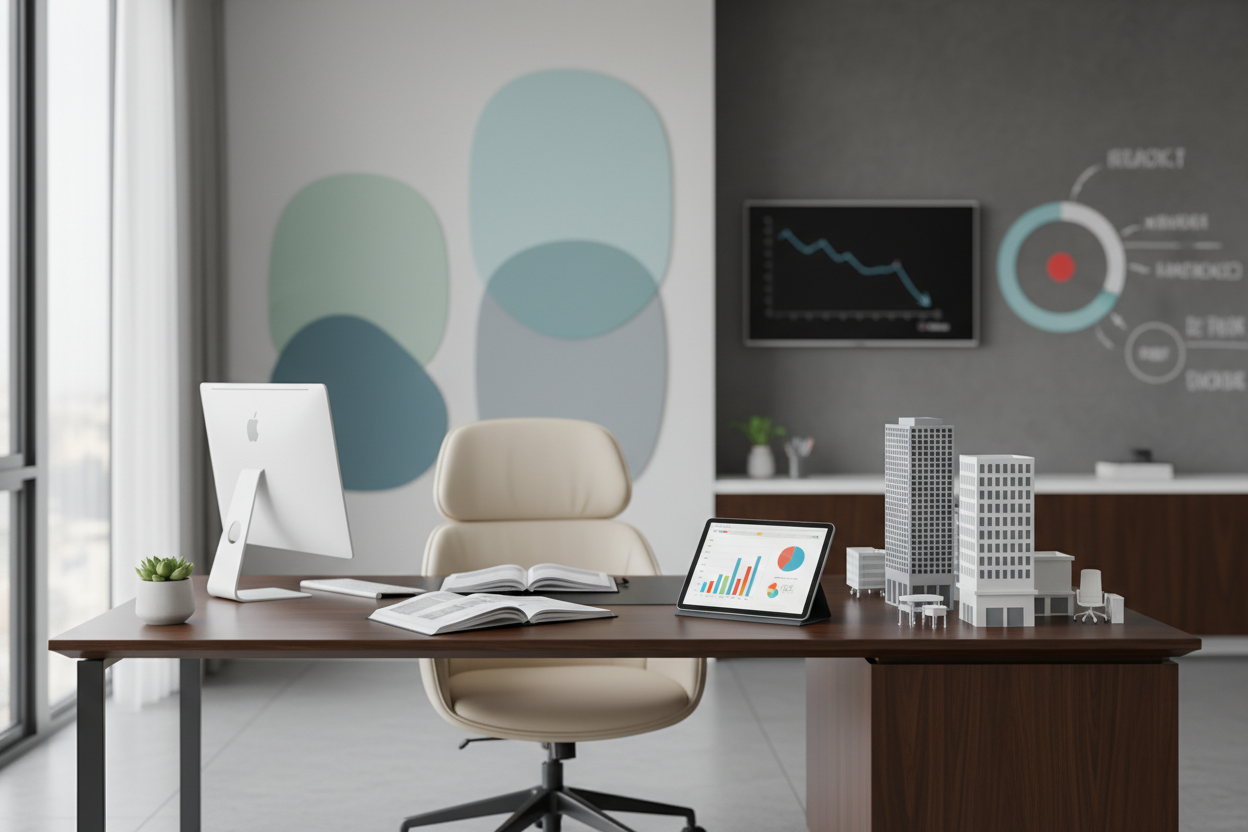
Designing a workspace that is both aesthetically pleasing and financially sound is a balancing act that trips up even seasoned business owners. You want the solid walnut desk and the ergonomic chair that supports your posture for twelve hours a day, but you are stuck staring at a spreadsheet wondering where to allocate the funds. The confusion often stems from a misunderstanding of a single, crucial concept: the office expense.
Many homeowners and freelancers conflate operational costs with capital investments, leading to a disjointed budget and a workspace that feels temporary rather than curated. Whether you are filing a Schedule C or simply trying to manage your renovation cash flow, understanding the distinction between expenses, supplies, and equipment is the secret to justifying high-quality design choices over cheap, disposable alternatives.
Quick Decision Guide: Expense vs. Supply vs. Equipment
Before we dive into layout and materials, use this checklist to categorize your purchases. This distinction is vital for both your tax strategy and your interior design budget.
- Office Supplies (Consumables): Items used up within the year. Think stationery, printer ink, and minor desk accessories. Design Tip: Don't overspend here; function comes first.
- Office Expenses (Operational): Recurring costs to keep the office running. This includes software subscriptions, cleaning services, or rent.
- Office Equipment (Assets): Long-term investments with a useful life over one year. This includes computers, and crucially, significant furniture pieces like desks and executive chairs.
- The Golden Rule: If it enhances the room's architecture or lasts more than a year, treat it as an investment, not a disposable supply.
Distinguishing Office Expenses vs. Supplies in Design
When curating a professional environment, the line between office expense vs supplies often blurs. From a design perspective, I encourage clients to view "supplies" as the clutter we try to hide, and "equipment" (often categorized under broader expenses for tax purposes via depreciation) as the focal points we want to highlight.
The "Supplies" Aesthetic
When asking what is considered office supplies for taxes, the IRS points to tangible items used in the course of business—paper, pens, staples. In design, these are the elements that require smart storage solutions. If you leave these visible, they create visual noise.
When budgeting, keep your office supplies expense low. Do not buy the gold-plated stapler unless it serves as a deliberate styling prop. Instead, allocate those funds toward concealed storage, such as lacquer boxes or drawer organizers, to maintain a minimalist silhouette.
Furniture: Equipment vs. Office Supplies
Here is where the difference between office supplies and office expense impacts your comfort. A common error is trying to buy furniture with a "supplies" mindset—looking for the cheapest, most disposable option to write it off quickly. This leads to wobbly laminate desks and chairs that lose their cushioning in three months.
High-quality furniture usually falls under office equipment vs office supplies. While you might be able to deduct it (consult your CPA regarding Section 179), you should select these pieces based on longevity. Look for:
- Joinery: Dovetail or mortise-and-tenon joints rather than staples and glue.
- Materials: Solid wood or high-grade architectural veneer rather than paper-thin laminate.
- Ergonomics: Chairs with lumbar support and breathable mesh or top-grain leather.
Navigating Schedule C: Materials and Supplies
For the freelancers reading this, handling supplies on Schedule C is a yearly ritual. Line 22 is for supplies, while Line 18 is for office expenses. Why does a designer care about your tax forms?
Because accurate categorization frees up your mental (and fiscal) budget for better design. If you understand what are office expenses for taxes, you stop fearing the purchase of a necessary ergonomic upgrade. You realize that a $1,200 chair amortized over ten years is a smarter design choice than buying a $150 chair every year and categorizing it as a "supply."
Visual Balance and Budget Allocation
When planning your office, apply the 70/30 rule. 70% of your budget should go toward the "bones" of the room—the flooring, the lighting, and the primary furniture (equipment). Only 30% should go toward examples of office expenses and consumable supplies. This ensures the room feels grounded and permanent, rather than like a temporary pop-up space.
My Personal Take on Office Expense
I learned the hard way that treating furniture like a disposable "office supply" is a recipe for physical pain and aesthetic disaster. Early in my career, setting up my first studio, I tried to keep my overhead low. I bought what I essentially considered "disposable" chairs—flat-pack items that cost about as much as a bulk order of printer toner.
The result wasn't just an ugly office; it was a noisy one. I specifically remember the cheap gas-lift mechanism on my chair starting to sink on its own whenever I sat down. Every time a client came in for a consultation, the chair would let out a high-pitched metallic squeak. It completely undermined the "luxury" image I was trying to sell. I realized then that while my accountant might debate schedule c office expense vs supplies lines, my back and my brand reputation required me to treat furniture as a serious capital investment. I replaced it with a refurbished Herman Miller, and twelve years later, that chair is still in my secondary drafting room, looking pristine.
Conclusion
Understanding the nuance of an office expense isn't just about satisfying the IRS; it is about respecting the tools of your trade. By distinguishing between the items you consume and the environment you inhabit, you can build a workspace that offers lasting value, ergonomic support, and a commanding visual presence.
Frequently Asked Questions
What is considered office supplies for taxes versus equipment?
Generally, supplies are consumable items with a useful life of less than one year (pens, paper, toner, cleaning products). Equipment refers to longer-lasting assets like computers, desks, and chairs. While both are deductible, they are often reported on different lines of a tax return.
Is office furniture considered an office expense or supply?
Furniture is typically considered an asset or equipment because it lasts longer than a year. However, depending on the cost (e.g., a small desk lamp vs. a conference table) and current tax laws (like the De Minimis Safe Harbor), some smaller furniture items might be expensed immediately similar to supplies.
What are examples of office expenses beyond supplies?
Common office expense examples include rent, utilities (electricity, internet), insurance, janitorial services, and software subscriptions. These are the operational costs of maintaining the workspace that are not physical goods being consumed.


Leave a comment
This site is protected by hCaptcha and the hCaptcha Privacy Policy and Terms of Service apply.