










I have spent way too many nights at 2 AM doom-scrolling through built-in cabinet ideas, imagining my 1,200-square-foot house could somehow handle a floor-to-ceiling library with a rolling ladder. Then I look at my 8-foot ceilings and realize that ladder would be exactly three steps high. It is a buzzkill, but it is the reality most of us live in when we start dreaming about custom millwork.
The problem is that our digital feeds are flooded with images of custom storage from homes that have more square footage in their mudrooms than most of us have in our entire living areas. When you try to scale those massive designs down to a standard room, the proportions get weird, the room feels cramped, and you end up spending $5,000 on something that makes your house look smaller.
Quick Takeaways
- Standard ceiling heights (8-9 feet) require horizontal emphasis, not vertical.
- Base cabinets should be 14-16 inches deep; anything less is useless for actual storage.
- Avoid 'all-open' shelving unless you want to spend your life dusting.
- Lighting should be planned before the first piece of wood is cut.
Why Most Inspiration Photos Set You Up to Fail
Most 'built in cabinets pictures' you find on social media are shot with wide-angle lenses in rooms with 12-foot ceilings. These designs rely on verticality to look balanced. If you take that same three-section design and squash it down to fit a standard 8-foot wall, the cubbies become squat and the whole unit looks heavy. It loses the 'airy' feel that made you save the photo in the first place.
When you are looking at images of built in cabinets, you have to look for 'architectural honesty.' Does the room in the photo actually look like yours? If you live in a 1970s split-level, looking at Georgian manor libraries won't help you. You need to analyze the ratio of the base cabinet height to the shelving above. Usually, a 30-inch base with 12-inch shelves above is the sweet spot for a standard home, but most viral photos use much taller proportions that just won't fit your drywall.
3 Built-In Cabinet Ideas for Normal Living Rooms
You don't need a mansion to make custom storage look expensive. You just need to be smart about how much visual weight you're adding to the room. I’ve seen people ruin perfectly good living rooms by building units that are too deep, eating up two feet of floor space and making the sofa feel like it’s in a hallway. Keep your footprint lean and focus on the details.
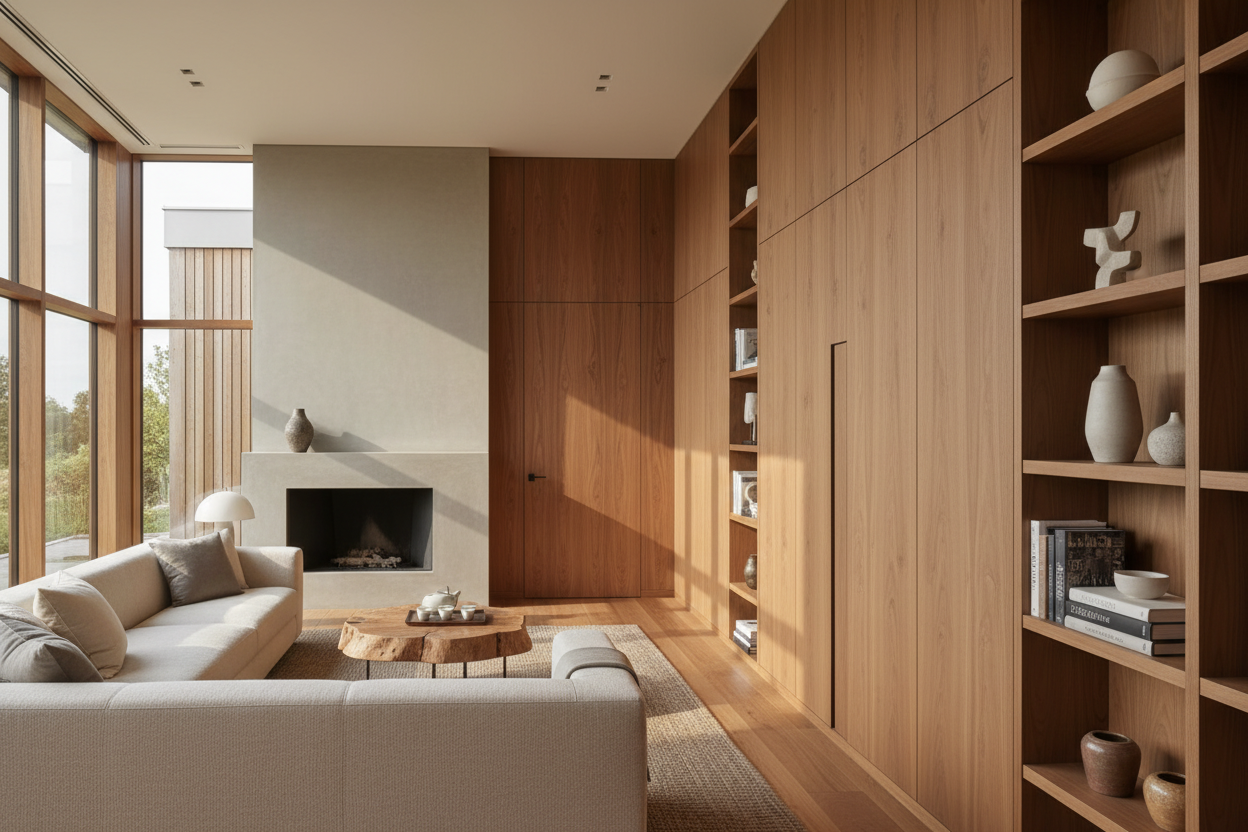
One trick I love is using built-in display cabinet ideas that incorporate a central focal point. If every single shelf is filled with 'stuff,' the room feels cluttered. You need a 'breathing hole'—maybe a spot for a piece of art or a TV—to break up the grid. This prevents the unit from feeling like a giant wall of wood closing in on you.
The Symmetrical Fireplace Flank
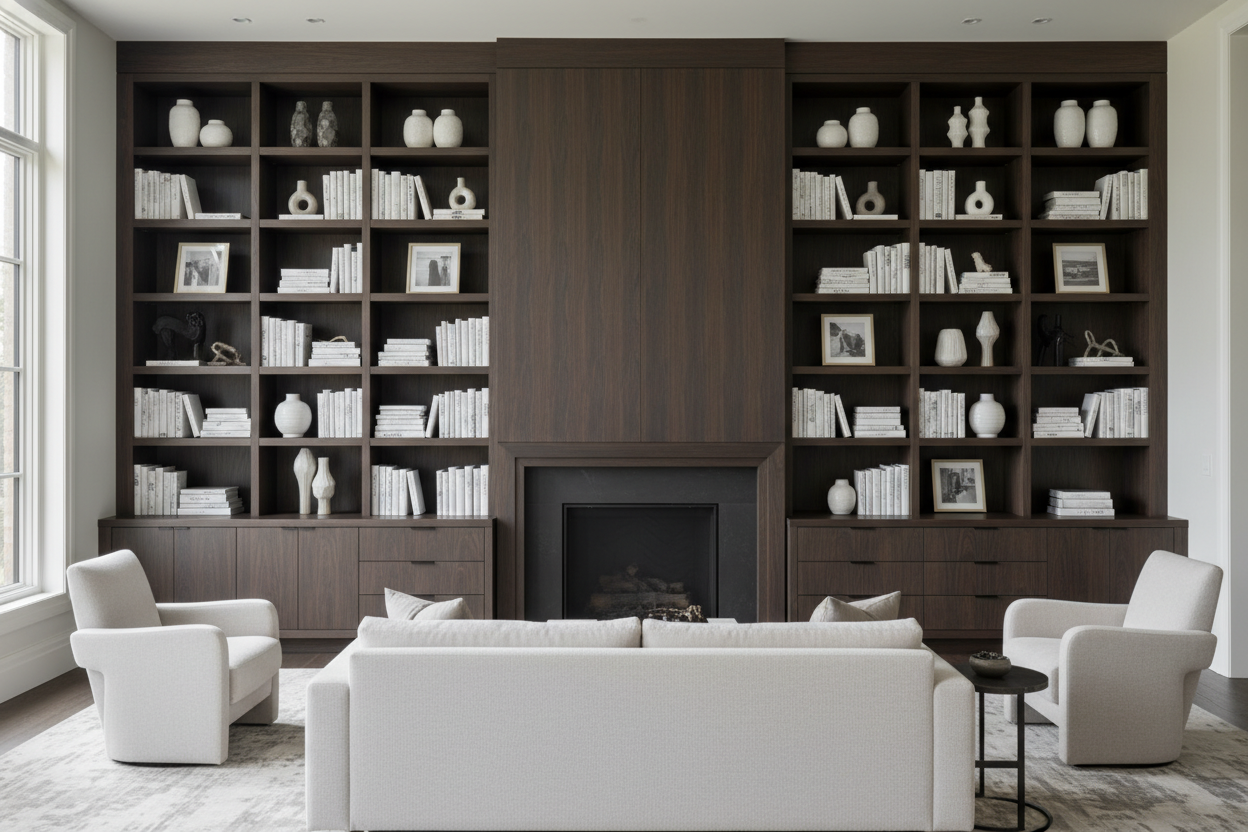
This is the gold standard for a reason. By building on either side of the hearth, you’re utilizing 'dead space' that usually just collects dust. When browsing pictures of built in cabinets for this layout, pay attention to the depth. I always recommend making the base cabinets slightly deeper than the fireplace surround itself. It creates a nice architectural step-back that feels intentional, not just like you shoved some bookcases into a corner.
The Moody Glass-Front Library
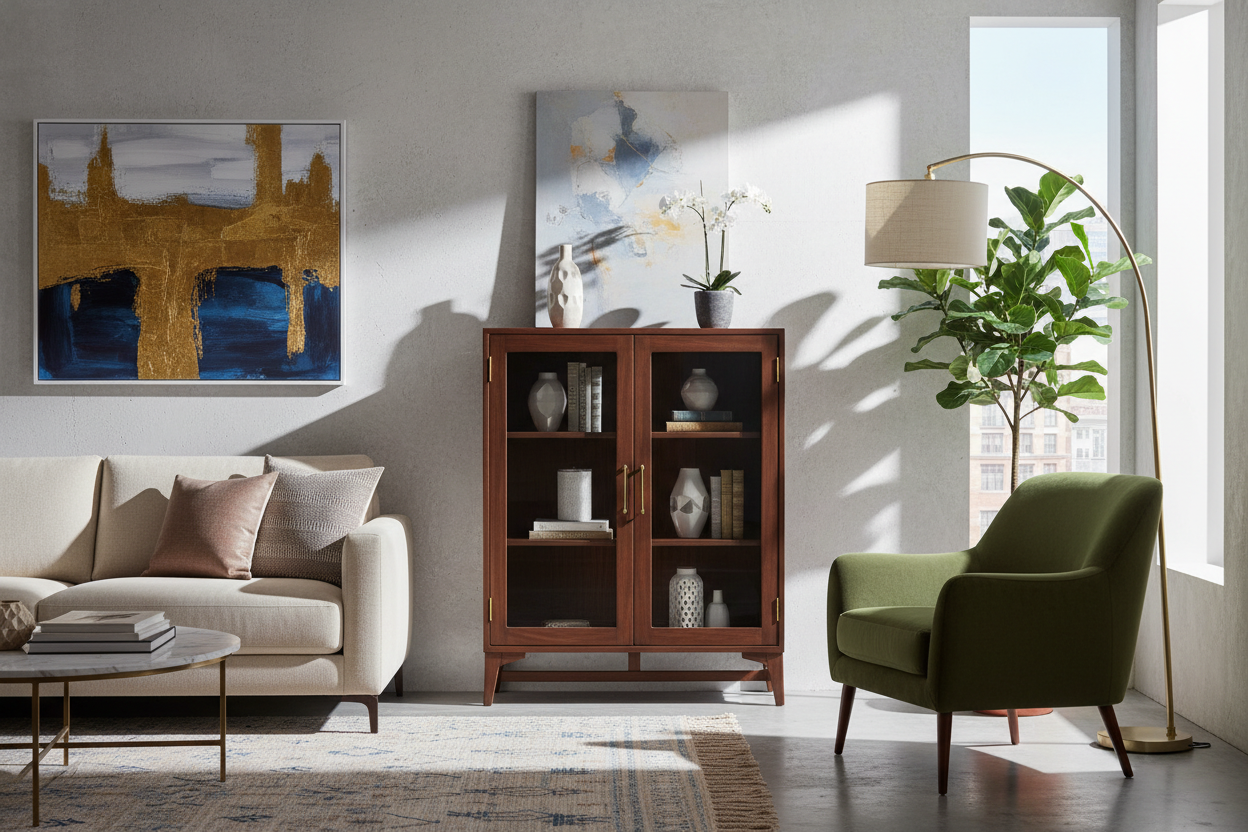
If you want drama but don't have the space for a massive dark unit, go for a black cabinet with glass doors. The glass reflects light, which prevents the dark paint from feeling like a black hole in the room. I once did this in a tiny den using 15-inch deep boxes and it actually made the room feel bigger because the glass added a layer of depth that solid wood doors just can't provide. It’s the easiest way to get that high-end 'collected' look without the bulk.
Adapting Dining and Kitchen Layouts
Built-ins aren't just for the TV room. In fact, they are often more useful in the dining area where storage is usually a nightmare. I’ve looked at hundreds of images of built in cabinets used as sideboards, and the ones that work best are the ones that mimic the kitchen’s language without being an exact copy. You want it to feel like a cousin to your kitchen, not a twin.
Integrating a built-in china cabinet into a modern open-concept space is a great way to bridge the gap between 'utilitarian kitchen' and 'cozy dining.' The key here is the toe kick. In a kitchen, you need a recessed toe kick for standing. In a dining room, a flush baseboard or a decorative 'furniture' foot makes the built-in feel like a piece of high-end furniture rather than just more kitchen cupboards.
Where to Find Actually Helpful Reference Visuals
Stop looking at Pinterest 'aesthetic' boards and start looking at architectural portfolios. Search for 'built in cabinet images' from real interior design firms in your region. These photos are more likely to feature standard ceiling heights and realistic room dimensions. You want to see how a professional handled a window that was slightly off-center or a radiator that couldn't be moved.
When you find a photo you love, show it to your contractor, but ask them specifically about the 'stiles and rails' (the vertical and horizontal frames). That is where the quality shows. If they use 1-inch lumber for everything, it’s going to look like a cheap DIY project. You want beefy 2-inch or 3-inch framing to give the unit some soul and weight.
My Personal Lesson Learned
I once built a massive wall unit for my home office and, in an effort to save money, I used 12-inch deep shelving for the whole thing. It looked fine in the sketch, but the moment I tried to put my oversized photography books on the shelves, they stuck out two inches past the frame. It looked terrible. I ended up having to rebuild the base units. Now, I never go shallower than 15 inches for a base. Trust me, those three inches matter more than you think.
FAQ
How deep should built-in cabinets be?
For a living room, 14 to 16 inches for the base is ideal. If you're building upper shelves, 12 inches is standard, but 13 inches is better if you have a lot of large coffee table books.
Should I paint my built-ins the same color as the walls?
If you want them to 'disappear' and make the room feel larger, yes. If you want them to be a feature, go two shades darker or a completely contrasting color. Just avoid 'off-white' if your walls are pure white; it will just look dirty.
Is it cheaper to buy pre-made cabinets and 'build them in'?
Usually, yes. Using 'hacked' kitchen base cabinets and adding custom trim and a single top piece can save you 40% compared to a fully custom build. Just make sure you use a high-quality filler piece so there are no gaps against the wall.

Leave a comment
This site is protected by hCaptcha and the hCaptcha Privacy Policy and Terms of Service apply.