










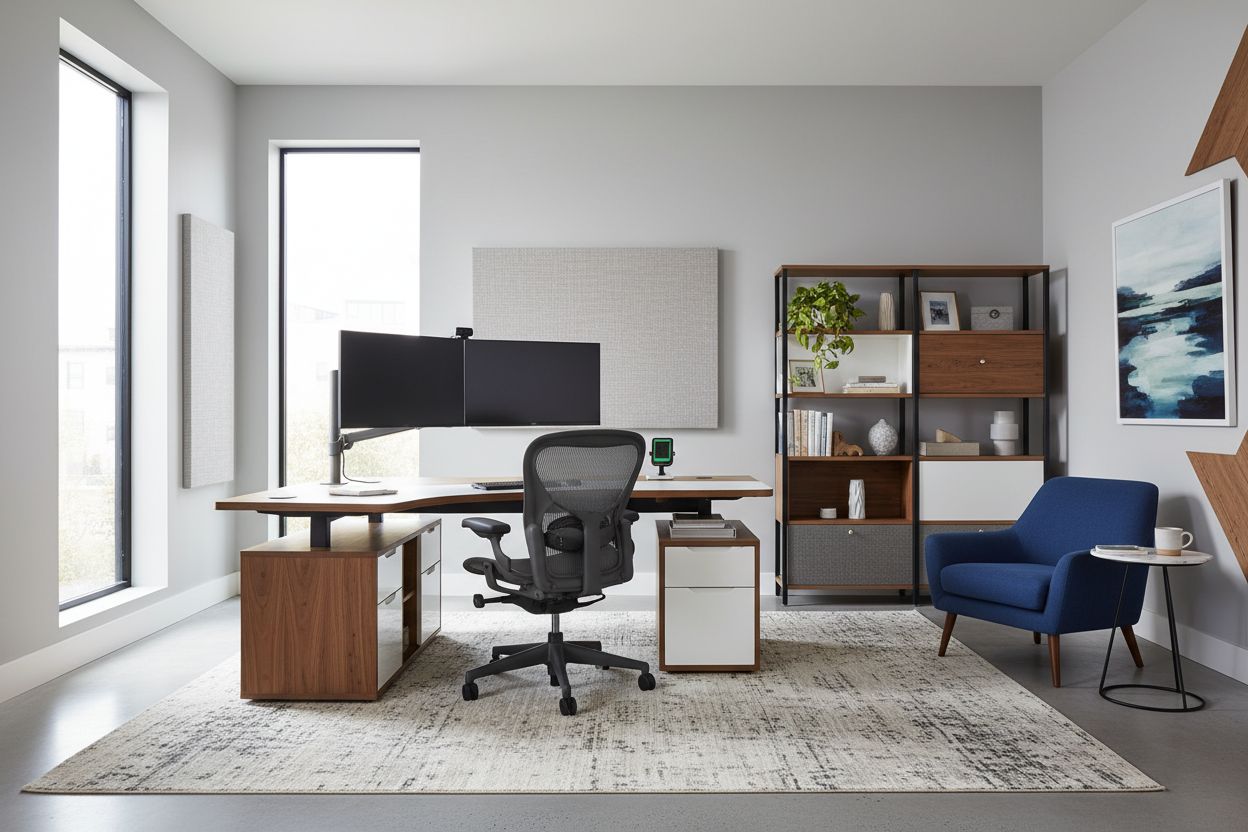
We have all fallen down the rabbit hole of scrolling through endless galleries of pristine workspaces, bookmarking image after image. However, the disconnect between a curated photo and a functional reality is often where homeowners struggle the most. As a designer, my goal is to help you translate those aspirational houzz home office concepts into a workspace that serves your workflow as well as it serves your aesthetic sensibilities.
Quick Decision Guide: What Matters Most?
Before you purchase a single piece of furniture, consider these core pillars of design functionality. These are the non-negotiables I check off for every client project:
- Ergonomics Over Aesthetics: A chair must support the lumbar spine for 6+ hours, regardless of how mid-century modern it looks.
- Material Durability: Solid hardwoods (walnut, oak) age gracefully; veneers may chip if you use heavy equipment.
- Lighting Layers: You need a mix of ambient (overhead) and task lighting (desk level) to reduce eye strain.
- Acoustics: Hard surfaces echo. Incorporate rugs or upholstered panels to dampen sound for calls.
Translating Houzz Office Ideas into Reality
When you browse houzz office ideas, you are often looking at a staged moment frozen in time. To make this liveable, we must look at the bones of the design. The most successful spaces rely on "zoning." Even in a compact room, distinct zones for deep work, reference storage, and perhaps a comfortable reading corner create a sense of professional separation from the rest of the home.
Selecting the Right Furniture
Sourcing furniture is about understanding visual weight and tactile experience. When browsing houzz for offices, pay close attention to the silhouette of the desk relative to the room size.
The Desk: Material Integrity
The desk is your command center. I often steer clients toward solid wood or high-pressure matte laminates. Avoid high-gloss finishes if you use overhead lighting, as the glare can cause significant eye fatigue over time. If you are looking at houzz office inspiration featuring glass desks, remember that glass is cold to the touch and creates a "clatter" sound every time you set down a pen or mug. Wood absorbs that sound and offers a warmer tactile experience.
The Chair: The 8-Hour Test
Many home office ideas houzz showcases feature sculptural dining chairs at desks. This is a design felony in my book. Always prioritize a chair with adjustable seat height and tilt tension. You can find options that are upholstered in performance velvets or leathers that hide the mechanics, giving you the look of a lounge chair with the engineering of a task chair.
Layout and Flow
The placement of your furniture dictates your energy. The "power position"—facing the door but not directly in line with it—is a staple in houzz home office ideas for a reason. It reduces subconscious anxiety. Ensure you have at least 42 inches of clearance behind your chair to roll back freely without hitting a bookshelf or wall.
My Personal Take on houzz home office Projects
I want to share a specific lesson from a project I worked on last year that you won't find in a standard buying guide. We fell in love with a stunning, reclaimed rough-hewn oak desk featured in a popular editorial. It added incredible texture and warmth to the room.
However, two weeks after installation, the client called me. The surface was too textured. Every time they tried to write on a single sheet of paper, the pen would punch through or wobble because of the wood grain. We had to rush-order a custom leather desk blotter to create a smooth writing surface. It was a beautiful save, but it taught me a valuable lesson: always run your hand across the surface before buying. If you can't test it physically, zoom in on the texture. If it looks rustic, budget for a high-quality blotter immediately.
Conclusion
Designing a workspace is about more than just replicating a look; it is about engineering an environment that respects your work habits. By prioritizing material quality and ergonomic function alongside style, you create a space that invites you to sit down and focus. Take your time, measure twice, and invest in pieces that support your body as much as your eyes.
Frequently Asked Questions
How do I hide cords in a floating desk setup?
If your desk floats in the center of the room, use floor-mounted outlets if possible. Alternatively, run cords down a single desk leg and use a cord cover that matches the leg's finish, then tuck them under an area rug.
What is the ideal desk depth for a home office?
I recommend a minimum depth of 30 inches if you use a monitor setup. This ensures your screen is at arm's length, preventing eye strain. Narrower consoles (20-24 inches) are best suited for laptop-only work.
Can I mix wood tones in my office furniture?
Absolutely. In fact, matching everything perfectly can look flat. A general rule is to keep the undertones (warm vs. cool) consistent. For example, a warm walnut desk pairs beautifully with lighter white oak shelving.


Dejar un comentario
Este sitio está protegido por hCaptcha y se aplican la Política de privacidad de hCaptcha y los Términos del servicio.