










I remember sitting on my kitchen floor two years ago, surrounded by three different 'semi-custom' quotes from big-box retailers, feeling like I was being taken for a ride. The numbers were astronomical for what essentially looked like glorified particle board with a fancy veneer. After staring at my 1980s oak cabinets until my eyes blurred, I decided to ignore the glossy brochures and hunt down actual local cabinet makers instead.
Quick Takeaways
- Big-box 'semi-custom' is often just a factory box with a massive retail markup.
- Local shops usually use 3/4-inch plywood as their standard, while retailers charge a premium for it.
- Custom sizing is the default for local makers, whereas stores charge 'modification fees' for every inch.
- You are paying for the wood and the craft, not a showroom's air conditioning and sales commissions.
The 'Semi-Custom' Trap (And Why It Costs So Much)
Walk into any of the major local cabinet stores and you will be greeted by dazzling lighting and a designer with a tablet. They use the term 'semi-custom' to make you feel like you are getting a tailored experience. In reality, you are buying pre-made boxes from a factory in another state. If your wall is 37 inches wide and they only sell 36-inch boxes, you are forced to pay for a 'filler' strip that looks like an afterthought.
The real sting comes from the add-ons. These retailers lure you in with a low base price but then hammer you with hidden costs in your custom kitchen cabinet quote. Want soft-close hinges? That is an extra $40 per drawer. Want plywood instead of furniture board? Add 20% to the total. By the time you actually build a functional kitchen, that 'affordable' big-box price has ballooned past the cost of a truly bespoke build.
Why I Started Looking for a Real Local Cabinet Shop
I realized that when I bought from a retail giant, I was paying for a massive supply chain. I was paying for the marketing department, the shipping from a factory three states away, and the commission of the person behind the desk who has never actually built a cabinet in their life. I wanted my money to go into the materials and the person cutting the wood.
Finding a local cabinet shop usually involves driving to an industrial park and looking for a door covered in sawdust. There is no espresso machine in the lobby. But when you talk to a local cabinet maker, you are talking to the person who will actually be hinge-boring your doors. They don't have the overhead of a 5,000-square-foot showroom, which means they can often provide a superior product for the same price—or less—than the 'premium' lines at a big-box store.
How the Pricing Actually Breaks Down
Let's talk about the math, because that is where the big-box stores lose. Most local kitchen cabinet makers use 3/4-inch maple plywood for their box construction. If you try to spec that same material at a retail store, they flag it as an 'upgrade.' I found that for a standard L-shaped kitchen, the big-box 'premium' quote was $14,000, while a local shop quoted me $12,500 for better materials and a perfect fit.
Local custom cabinet makers don't care if your cabinet needs to be 22 and 3/8 inches wide to fit perfectly between your fridge and the wall. They just cut the wood to that size. A retail store will sell you a 21-inch cabinet and a 1.3-inch filler piece, then charge you a 'customization fee' for the privilege. When you compare apples-to-apples—meaning solid wood frames, plywood boxes, and high-end Blum hardware—local cabinet companies almost always win on value. You get a kitchen that fits your house like a glove, rather than a kitchen that was forced to fit into a grid of pre-set factory dimensions.
What to Bring to Your First Meeting
When you walk into a local shop, don't show up empty-handed. Bring a rough sketch of your floor plan with actual measurements. You don't need a professional CAD drawing; a piece of graph paper and a tape measure are plenty to start the conversation. Be upfront about your budget. If you have $10,000 to spend, tell them. A good maker will tell you exactly what they can do for that price, whether it is switching to a different wood species or simplifying the door style.
Also, have your inspiration photos ready, but be realistic. It helps to understand what custom cabinet makers actually think about those hyper-stylized Pinterest boards. They want to see the vibe you like, but they also want to know how you actually use your kitchen. Do you have a massive stand mixer that needs a lift? Do you hate reaching for spices? Tell them. That is the whole point of going custom.
Wait, Do You Even Need Built-Ins?
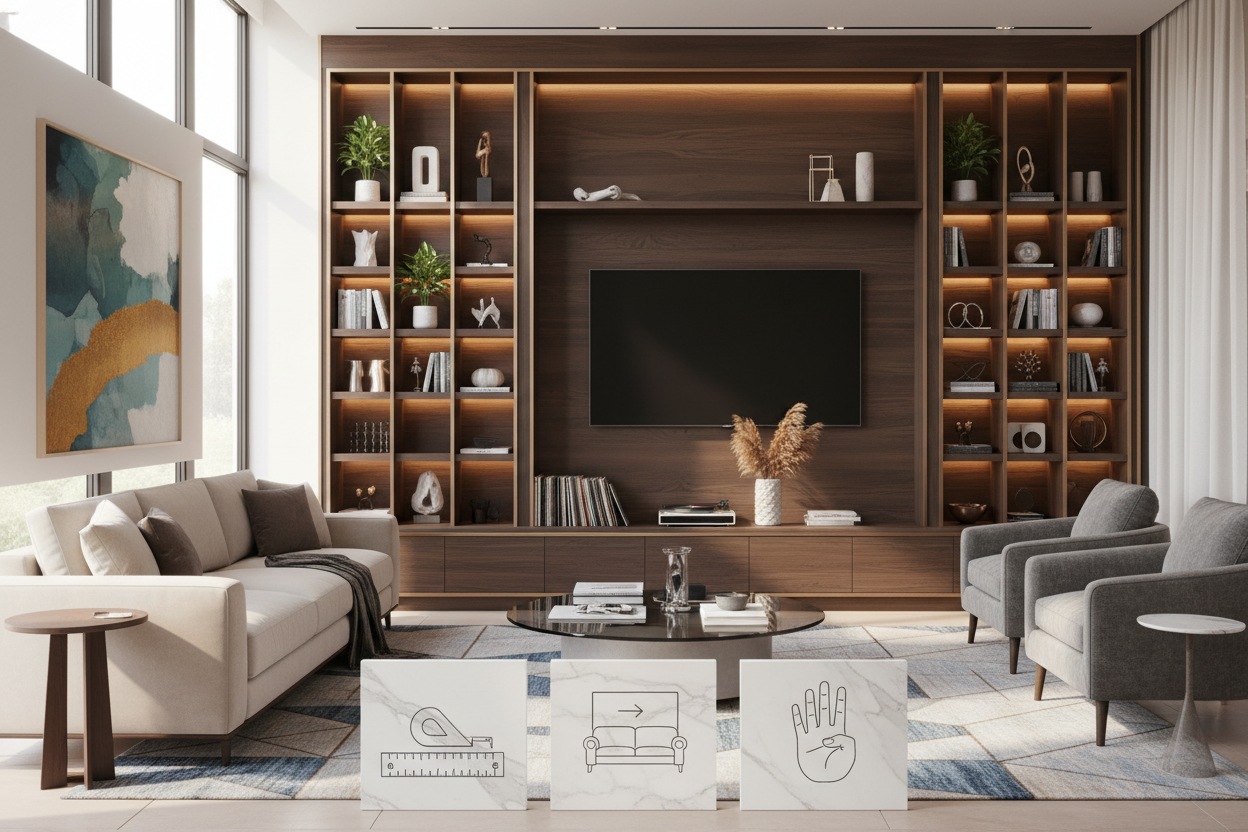
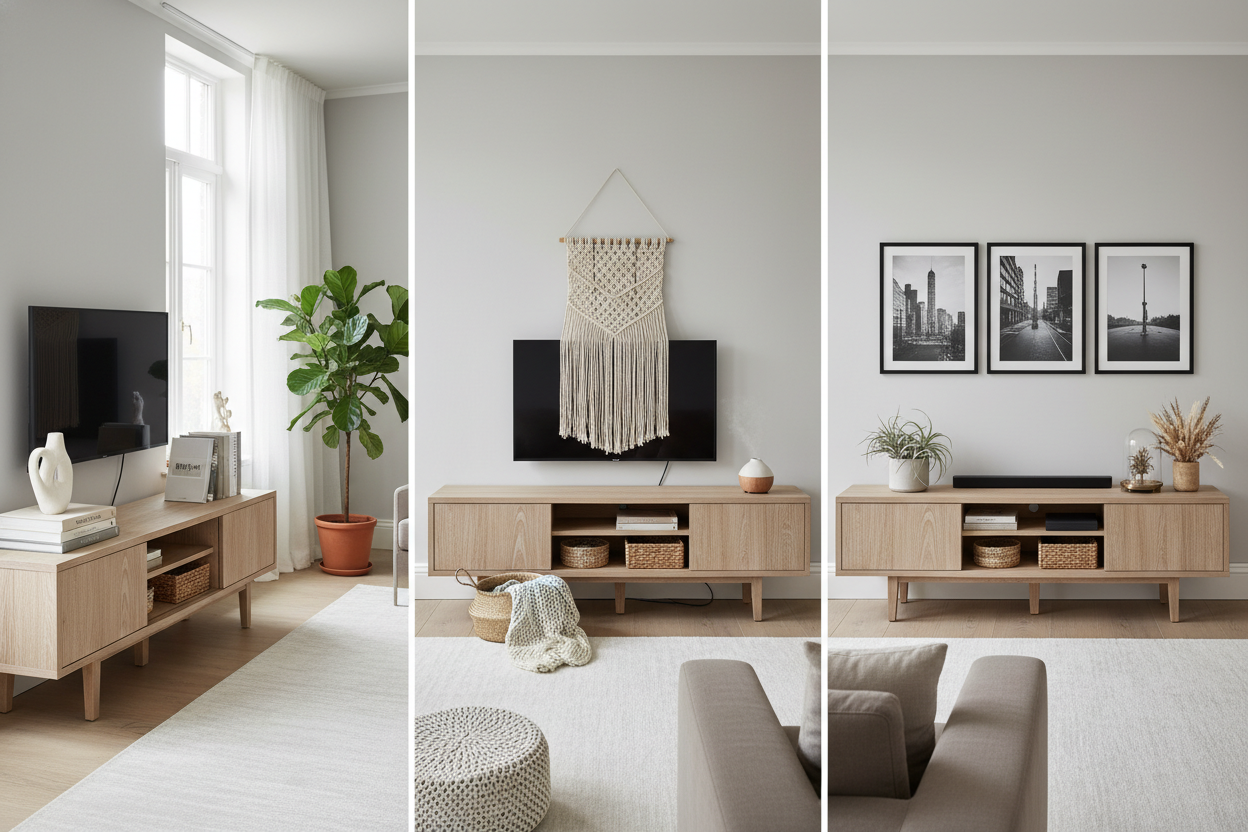
Before you sign a contract for $20,000 worth of permanent millwork, take a breath. I have seen people spend thousands on custom built-in pantries for a dining area when a high-quality furniture piece would have served them better. If you just need extra storage for linens or serving platters, a standalone buffet cabinet with storage can offer that 'built-in' look for a fraction of the price.
Furniture is flexible. If you decide to rearrange your house in five years, you can move a sideboard. You can't move a custom-built cabinet wall. For secondary spaces like mudrooms or dining nooks, sometimes 'off the shelf' high-quality furniture is the smarter financial move, allowing you to dump more of your budget into the actual kitchen cabinets where it matters most.
The Final Verdict on Local Custom Cabinets
If you want the absolute cheapest option possible, you go to IKEA and assemble it yourself. But if you are comparing mid-to-high-end retail cabinets with local custom work, the local shop wins every single time. You get better hardware, thicker boxes, and a finish that won't peel off in three years. Yes, you might have to wait six to eight weeks while they finish another project, and no, you won't get a 3D VR walkthrough of your kitchen in a fancy showroom. But when you run your hand over a perfectly sanded, solid wood door that was made five miles from your house, you’ll know you made the right call.
FAQ
Is it cheaper to buy cabinets or have them made?
If you are looking for high-quality materials like plywood and solid wood, having them made by a local shop is often cheaper or equal in price to 'semi-custom' retail stores. Retailers have massive markups on material upgrades that local makers include as standard.
How do I find a reputable local cabinet maker?
Look beyond Google. Ask local contractors or interior designers who they use for their own homes. Visit the shop in person; a reputable maker will be happy to show you their current projects and the materials they use.
What is the biggest downside to going local?
Lead times and communication. Small shops don't have a dedicated customer service department. You might have to wait longer for a callback, and their production schedule can be impacted by lumber shortages or previous jobs running over.

Leave a comment
This site is protected by hCaptcha and the hCaptcha Privacy Policy and Terms of Service apply.