










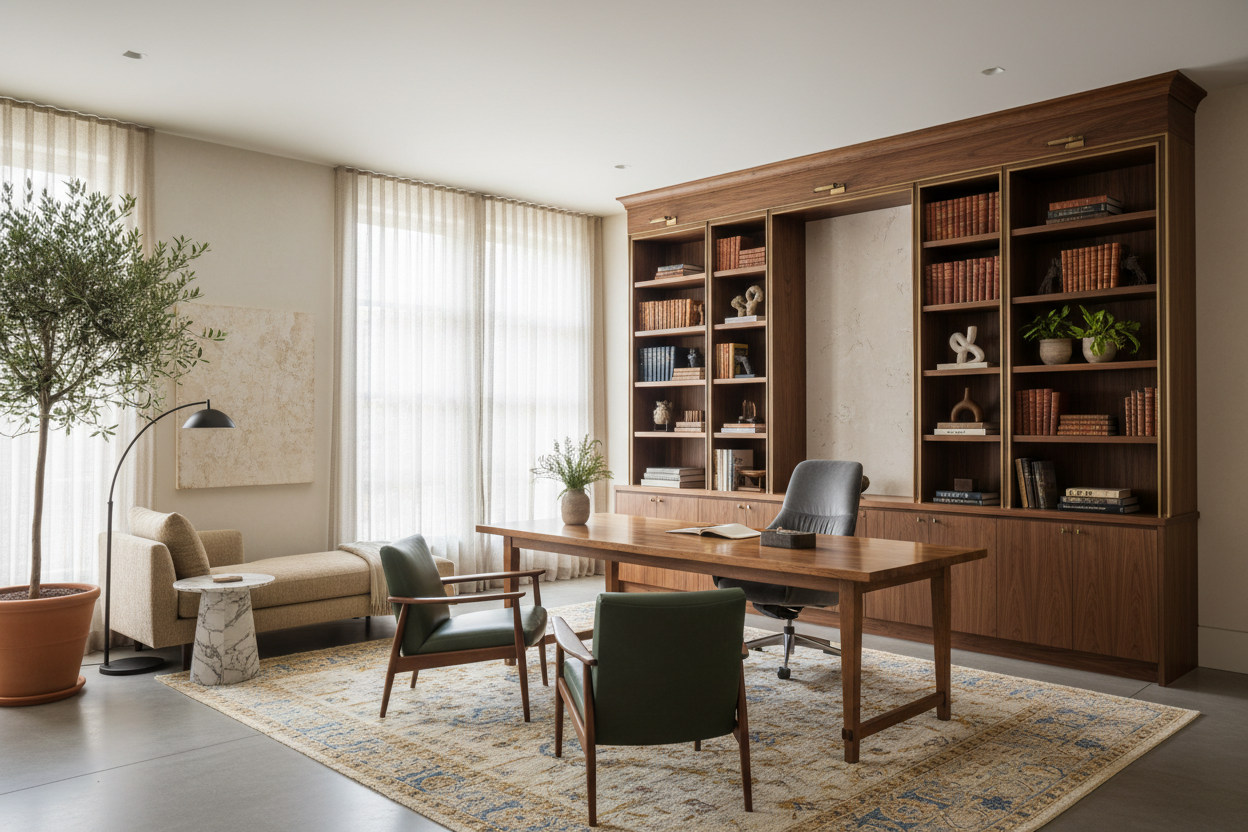
We have all seen the Pinterest boards filled with pristine, minimalist desks that look beautiful but feel utterly sterile. The disconnect between a space that photographs well and one that supports an eight-hour workday is often vast. Creating truly designer home offices requires a delicate balance: you need a space that commands respect during video calls yet remains comfortable enough for deep focus work.
If you are tired of working in a makeshift corner or a room that feels uninspired, this guide will walk you through the architectural and decorative decisions required to elevate your workspace.
Key Features of High-End Workspaces
Before selecting a single piece of furniture, consider these core pillars that define a professional-grade luxury office:
- Ergonomic Integration: Seating and desk heights that support posture without sacrificing the room's silhouette.
- Acoustic Control: Use of rugs, drapery, and upholstered wall panels to dampen echo and improve audio quality.
- Layered Lighting: A mix of architectural downlighting, ambient floor lamps, and specific task lighting.
- Material Authenticity: Prioritizing solid woods, full-grain leathers, and natural stones over synthetic veneers.
- Cable Management: Integrated solutions to keep technology visible only when necessary.
Mastering the Layout and Flow
As a home office interior designer, the first mistake I correct in client homes is the "wall-facing" desk. Pushing your primary workspace against a wall is a remnant of cubicle culture. In a luxury setting, we "float" the desk.
Positioning your desk in the center of the room, or at least perpendicular to a window, creates a command position. It allows you to see the door (a psychological comfort) and utilizes the room's depth as your backdrop—essential for the inevitable video calls. Ensure you have at least 48 inches of clearance behind the desk for your chair to move freely without scuffing the cabinetry behind you.
Materiality: Choosing Surfaces That Age Well
When curating interior design home offices, the tactile experience is paramount. You will be touching these surfaces daily.
The Desk Surface
Avoid high-gloss lacquers on the desktop. While they look sleek in a showroom, they are notorious for reflecting overhead lighting into your eyes (causing fatigue) and showing every fingerprint. Instead, opt for a satin or matte finish. Solid walnut or white oak offers warmth and durability. If you prefer stone, ensure it is honed, not polished, to reduce glare and provide a softer tactile feel for your wrists.
Seating Selection
The chair is where the designers home office concept often clashes with reality. Do not buy a dining chair for an office. You need a chair with a proper swivel, tilt tension, and lumbar support. However, you don't need a clunky plastic mesh chair. Look for high-back executive chairs upholstered in cognac or charcoal leather with hidden ergonomic mechanisms. The goal is a silhouette that looks like furniture, not machinery.
Lighting: The Mood Setter
Bad lighting kills good design. A single overhead fixture creates harsh shadows that make you look tired on camera and strain your eyes. Use a three-point lighting system:
- Ambient: A dimmer-controlled chandelier or recessed lighting for general illumination.
- Task: A heavy, architectural desk lamp (brass or bronze finishes work well) to illuminate paperwork.
- Accent: Picture lights over bookcases or a floor lamp in the corner to soften the room's edges.
My Personal Take on Designer Home Offices
Lessons from My Own Projects
I want to share a mistake I made early in my career so you don't have to. I once designed a stunning, ultra-modern office for a client featuring a custom glass-top desk on architectural trestles. It looked incredible—architectural, light, and airy.
Two weeks later, the client called me. The issue wasn't the look; it was the temperature and the sound. She told me that resting her forearms on cold glass for hours was physically uncomfortable, actually chilling her hands while she typed. Furthermore, every time she set down her coffee mug or a pen, it made a sharp clack that echoed through the room and disrupted her train of thought. We ended up having to commission a custom leather desk blotter to cover almost the entire surface.
Now, I always advise clients to prioritize "warm" materials like wood or leather for the primary work surface. Use glass and metal for shelving or side tables, but never for where your skin makes contact. Real luxury is comfort, not just visual appeal.
Conclusion
Investing in your home office is ultimately an investment in your own output and peace of mind. By choosing authentic materials, correcting your layout, and prioritizing lighting, you create a vessel for your best work. Don't settle for a space that merely functions; build one that inspires.
Frequently Asked Questions
How do I fit a designer office into a small bedroom?
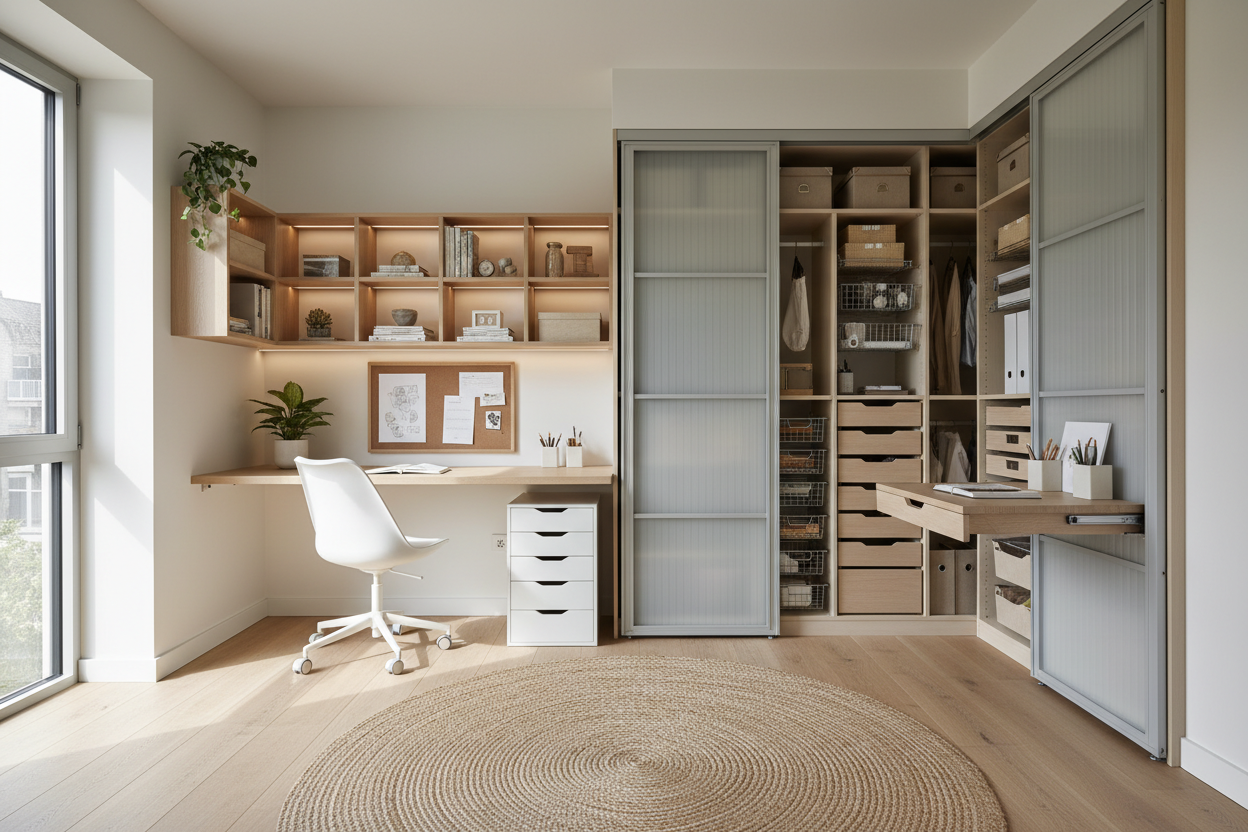
In smaller footprints, verticality is key. Use floor-to-ceiling built-in shelving to draw the eye up. Opt for a desk with visually lightweight legs (like slender metal) rather than a heavy block desk, which preserves the sense of floor space.
What is the best color palette for concentration?
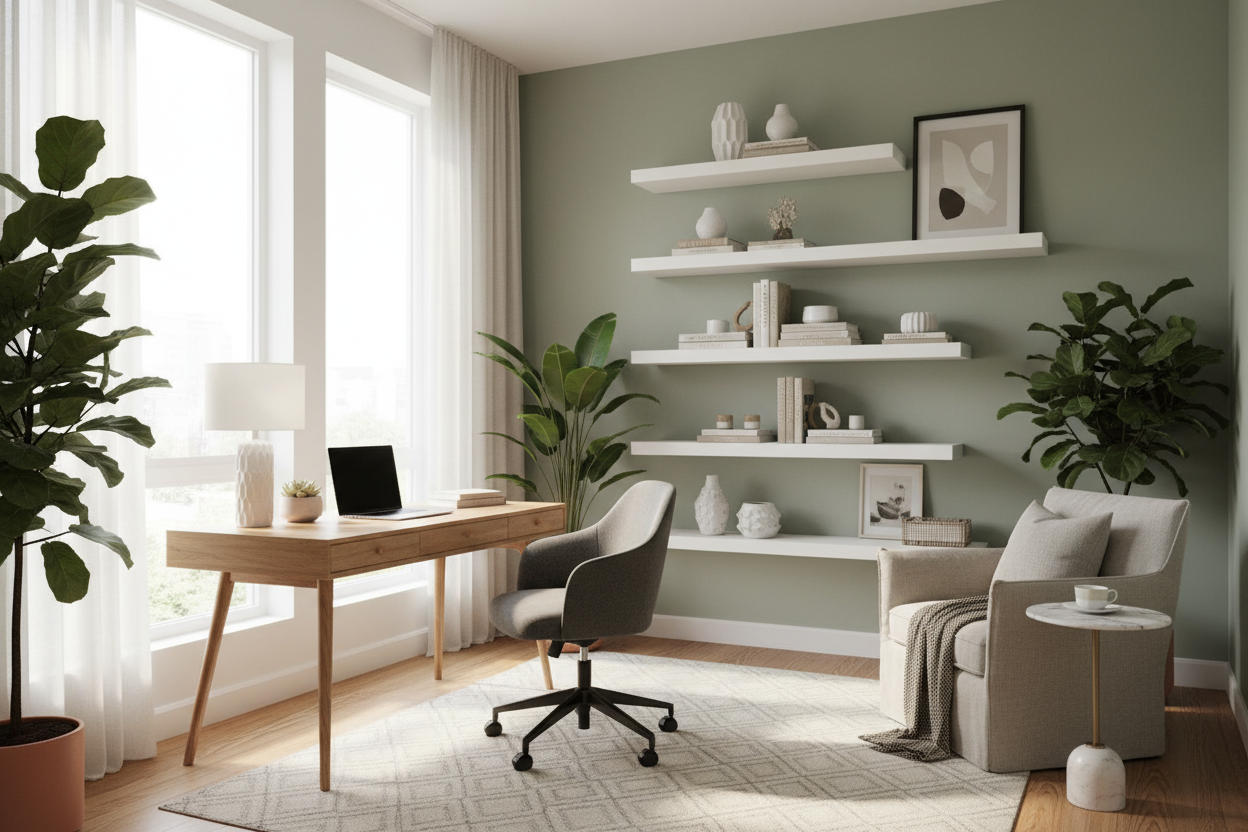
Deep, moody tones like navy, charcoal, or forest green are excellent for focus as they absorb light and reduce visual distraction. If you prefer light colors, stick to warm whites or taupes rather than clinical bright whites.
Should I use a rug in a home office with a rolling chair?
Yes, but the pile height matters. Choose a low-pile wool rug or a flatweave. High-pile or shag rugs will catch the casters of your chair. Ensure the rug is large enough that the chair stays on the rug even when you push back from the desk.

Leave a comment
This site is protected by hCaptcha and the hCaptcha Privacy Policy and Terms of Service apply.