










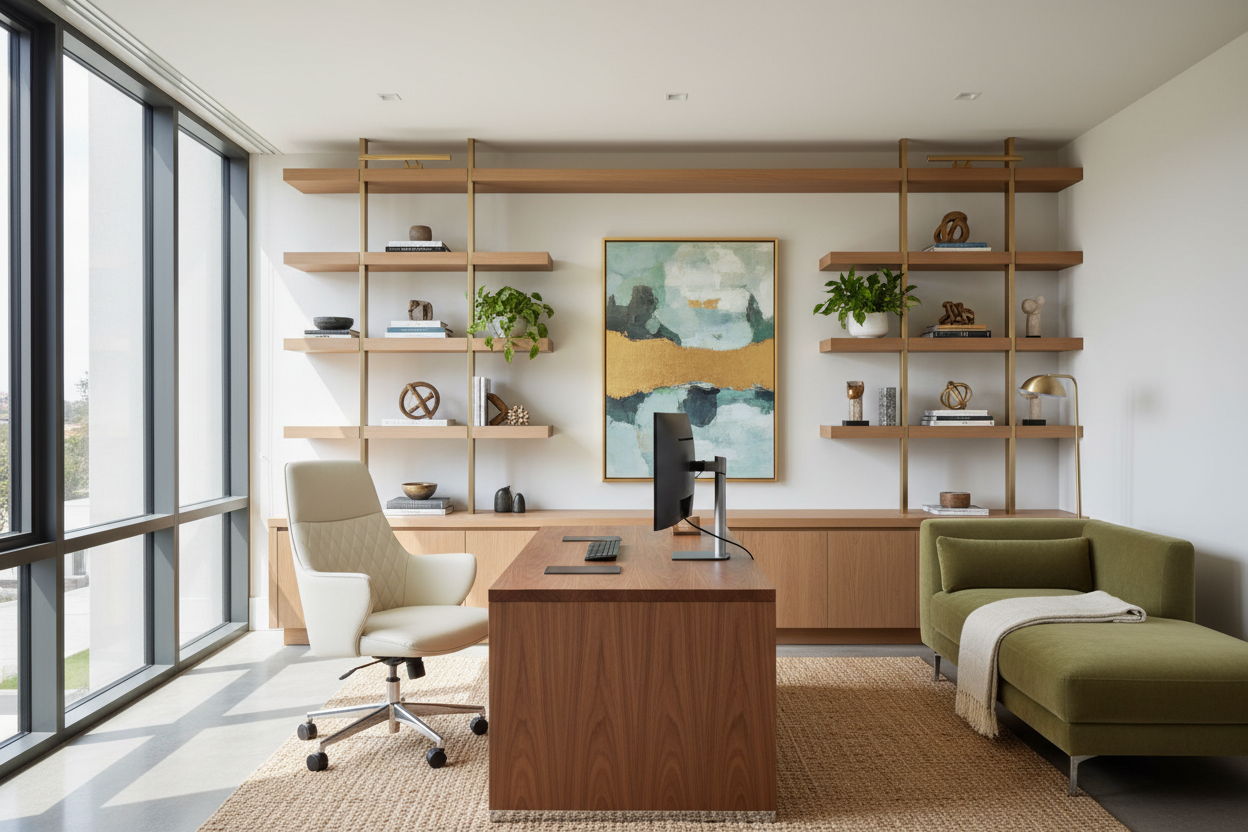
We have all found ourselves scrolling through feeds, envying those pristine, light-filled workspaces that look more like art installations than places of business. The disconnect between a functional workspace and a house beautiful home office often leaves homeowners paralyzed. You want the editorial look, but you also need a space where cords don't snake across the floor and the chair doesn't ruin your posture by noon. As a designer, I tell my clients that achieving this balance isn't about buying the most expensive desk; it's about intentional curation and understanding how visual weight impacts your mental clarity.
Key Elements of a Designer Workspace
- The Command Position: Orienting the desk to face the door, maximizing authority and minimizing distraction.
- Layered Lighting: Combining ambient overhead fixtures with sculptural task lighting to reduce eye strain.
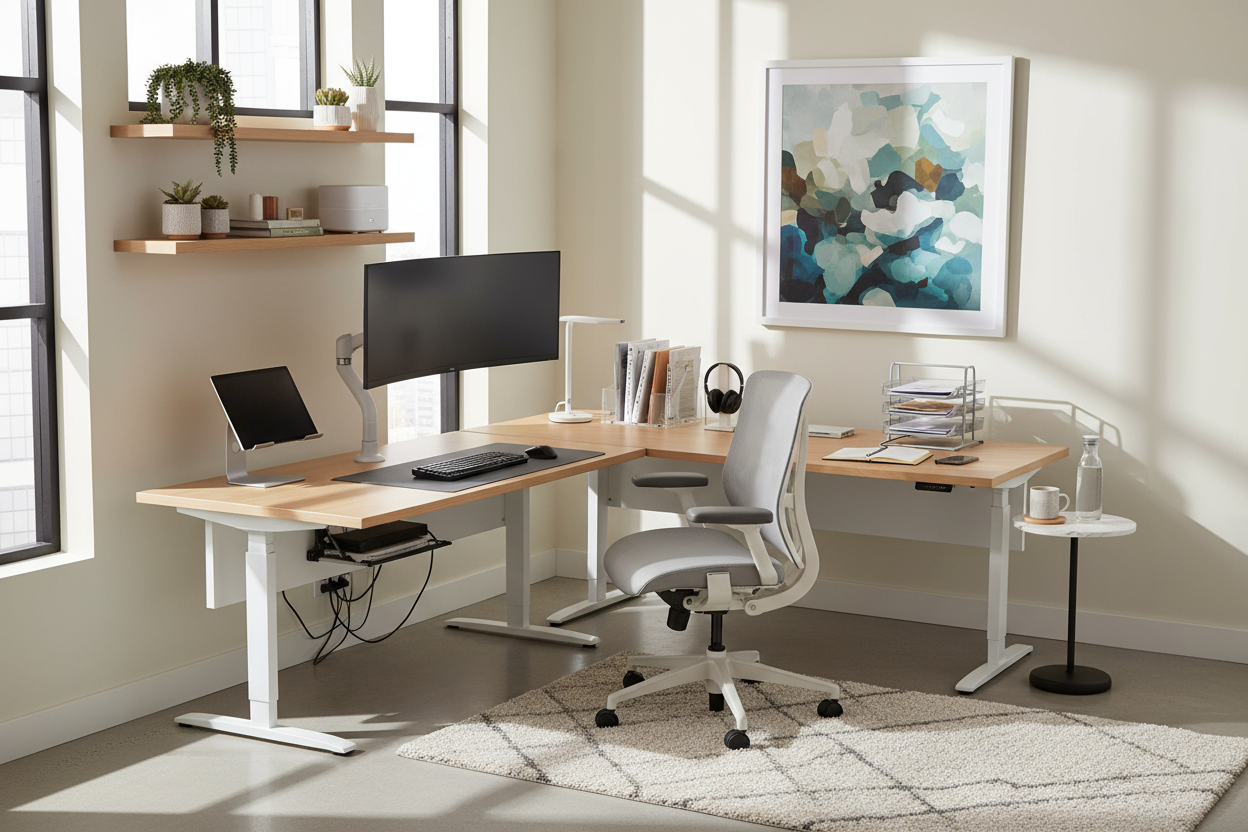
- Concealed Tech: utilizing furniture with integrated cable management to maintain a clean visual silhouette.
- Tactile Materials: Prioritizing natural woods, leathers, and textiles to soften the harshness of screens and electronics.
- Vertical Storage: Using floor-to-ceiling joinery to draw the eye up and keep surfaces clear.
The Art of Space Planning and Layout
The foundation of a house beautiful office lies in the floor plan. A common error I see is pushing the desk directly against a blank wall. While this saves space, it creates a claustrophobic "time-out" effect. Instead, consider floating the desk in the room. This layout anchors the space and allows you to introduce a rug, which defines the zone and adds acoustic dampening.
Scaling Your Furniture
Proportion is everything. A heavy, mahogany executive desk will suffocate a 10x10 room, while a delicate parson's desk might look lost in a grand library. Ensure there is at least 36 to 48 inches of clearance behind your chair for movement. If space is tight, look for "leggy" furniture—pieces raised on slender legs—which allows light to pass underneath, tricking the eye into perceiving more square footage.
Selecting Materials: Aesthetics vs. Durability
When curating high-end interiors, the tactile experience is just as vital as the visual one. Solid wood offers longevity and can be refinished, developing a patina over time that adds character. Veneers, while cost-effective, can peel at the edges if exposed to high humidity or friction.
The Seating Dilemma
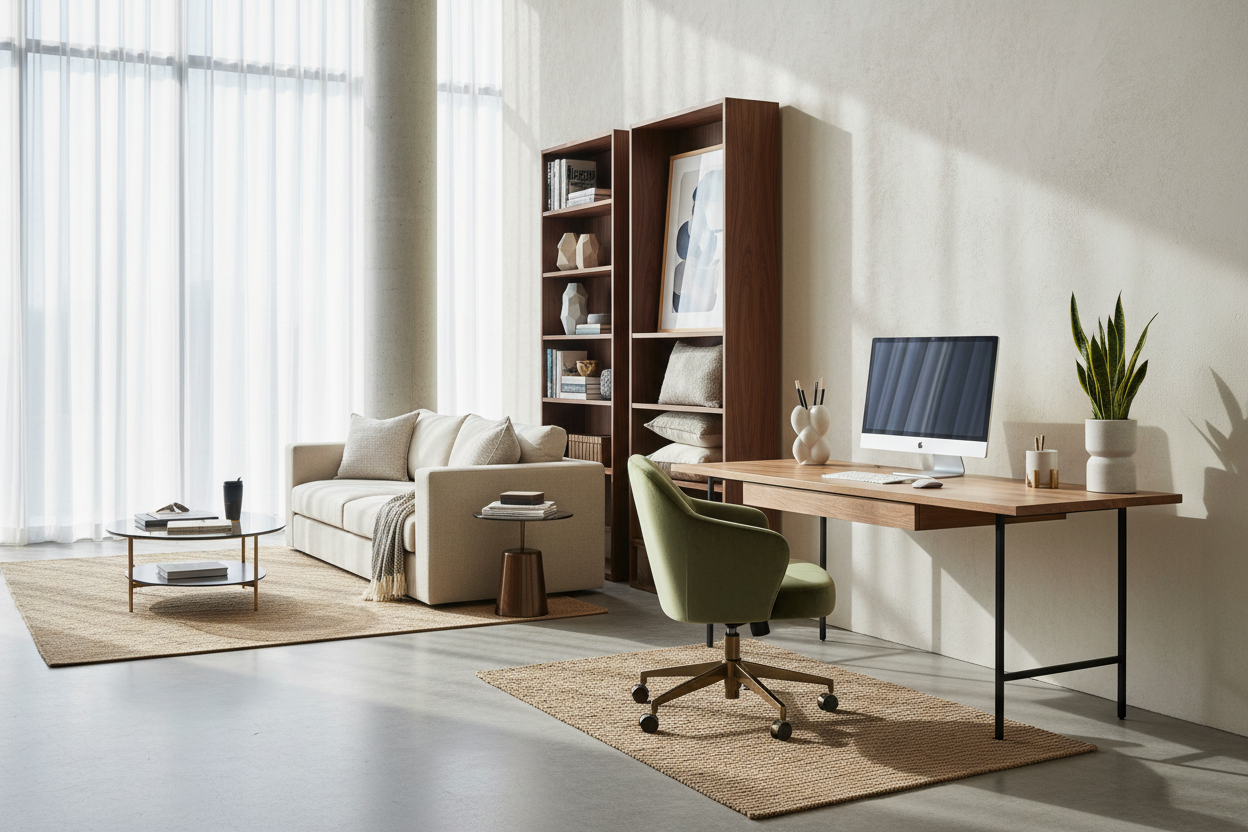
For the chair, avoid the temptation to buy purely for looks. A vintage mid-century shell chair looks fantastic in a photo, but it offers zero lumbar support. Look for hybrid designs: chairs upholstered in performance velvet or full-grain leather that conceal ergonomic mechanisms within a sophisticated silhouette. You want the support of an office chair without the "corporate cubicle" aesthetic.
Lighting and Ambiance
Lighting dictates the mood. A single overhead bulb casts unflattering shadows that cause fatigue. To achieve that magazine-quality glow, layer your light sources. Start with a statement pendant for general illumination. Add a desk lamp with a pivoting arm for task work—brass or matte black finishes often elevate the look. Finally, consider accent lighting, such as picture lights over bookshelves, to create depth and warmth in the evening hours.
My Personal Take on house beautiful home office Design
In my years of designing, I’ve learned that the "glossy" look often hides a gritty reality. I once designed a stunning workspace for a client featuring a high-gloss, black lacquer desk. It looked incredible in the portfolio photos. However, two weeks later, the client called me in frustration. The surface showed every single fingerprint, dust mote, and worst of all, micro-scratches from their laptop base.
I had to swap it out for a wire-brushed oak piece. The lesson? A house beautiful home office must forgive the mess of real life. I now always steer clients toward matte or textured finishes for primary work surfaces. They hide the dust and wear that naturally happens when you are actually working, not just styling.
Frequently Asked Questions
How do I hide wires in a floating desk layout?
If your desk is floating in the center of the room, use a floor outlet underneath the desk area. If that isn't an option, run cords down a desk leg closest to a wall and use a cord cover that matches your flooring color, or anchor them under a rug.
Can I use a dining chair as a desk chair?
You can, but only for short periods. If you work from home full-time, a dining chair lacks the necessary lumbar support and height adjustability. If you love the look, find a swivel chair upholstered in similar fabric to bridge the gap between dining and office styles.
What is the best paint color for a home office?
Greens and blues are excellent for focus and reducing anxiety. Deep charcoal or navy can create a cozy, library-like atmosphere, while warm whites keep the energy high and the space feeling open. Avoid overly bright yellows or reds, which can induce agitation over long periods.

Leave a comment
This site is protected by hCaptcha and the hCaptcha Privacy Policy and Terms of Service apply.