










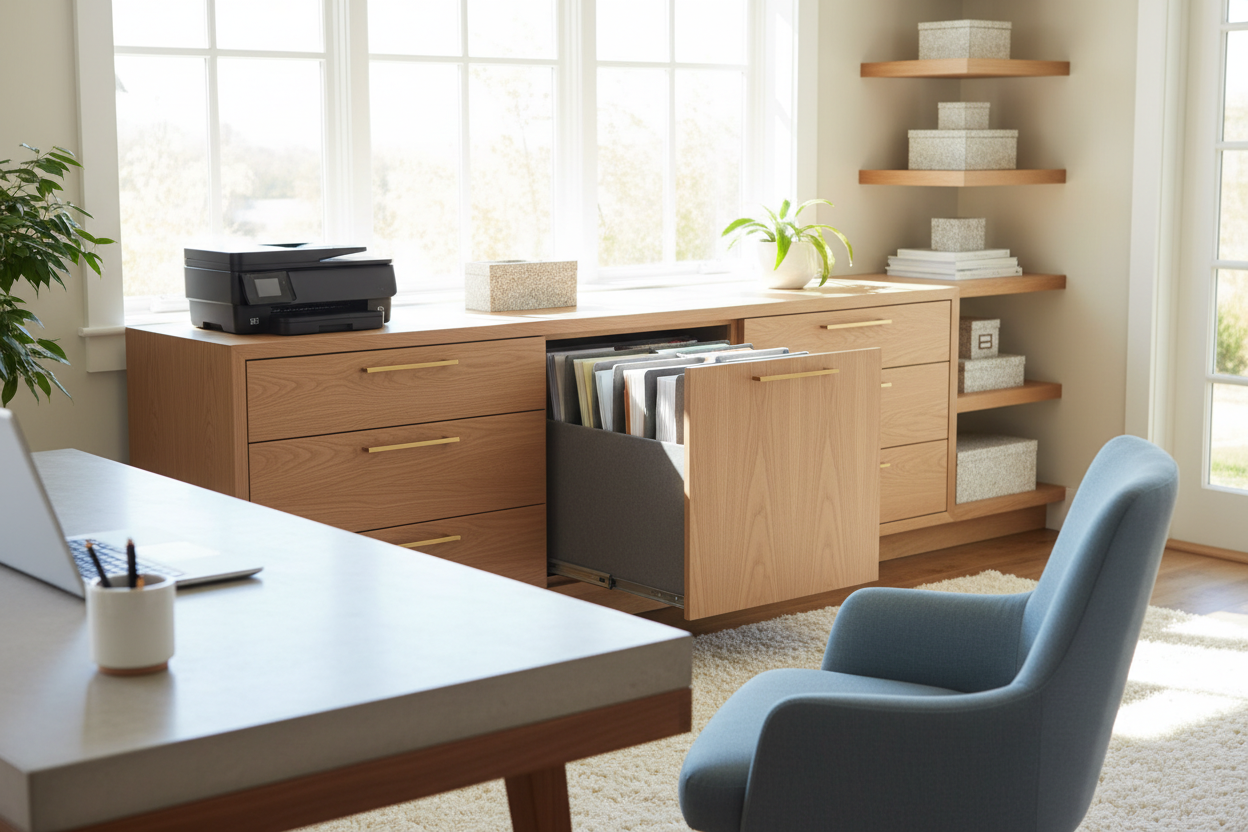
Nothing disrupts the visual flow of a curated study quite like a torn wrapper of bright white paper sitting on a mahogany desk. You spend hours selecting the perfect ergonomic chair and the right ambient lighting, yet the consumables often become an afterthought. Finding the right computer paper storage is not merely about organization; it is about maintaining the integrity of your interior design while ensuring your workflow remains uninterrupted.
Key Features to Look For
Before investing in a storage solution, consider these critical factors to ensure longevity and functionality:
- Load-Bearing Capacity: Paper is deceptively heavy; a standard case weighs 50 lbs. Ensure shelves or drawers are rated for high density.
- Humidity Control: Porous materials (like wicker) expose paper to moisture, causing jams. Sealed wood or metal is superior.
- Internal Dimensions: Verify the interior depth is at least 12 inches to accommodate standard letter size without bending corners.
- Visual Integration: The piece should complement your existing joinery or desk silhouette, not clash with it.
Choosing the Right Material for Durability
When selecting a dedicated copy paper storage cabinet, the material choice dictates both the aesthetic and the lifespan of the piece. In my design practice, I often steer clients away from thin backing boards or low-grade particleboard for this specific use case. A stack of paper is dense dead weight.
Solid wood or high-grade plywood with a veneer finish offers the rigidity required to prevent shelving from bowing over time. If you prefer a more industrial or modern aesthetic, powder-coated steel provides excellent durability and often features thinner profiles, which is beneficial in tighter floor plans.
Space Planning & Layout
The placement of your storage is just as vital as the unit itself. In a functional layout, your paper supply should be within the "secondary reach zone"—accessible without standing up, but not occupying prime desktop real estate.
The Under-Desk Approach
For smaller footprints, a rolling pedestal is a classic choice. However, ensure the bottom drawer is equipped with a fifth wheel or heavy-duty glides. This prevents the unit from tipping when fully extended, a common annoyance with cheaper furniture.
Vertical Integration
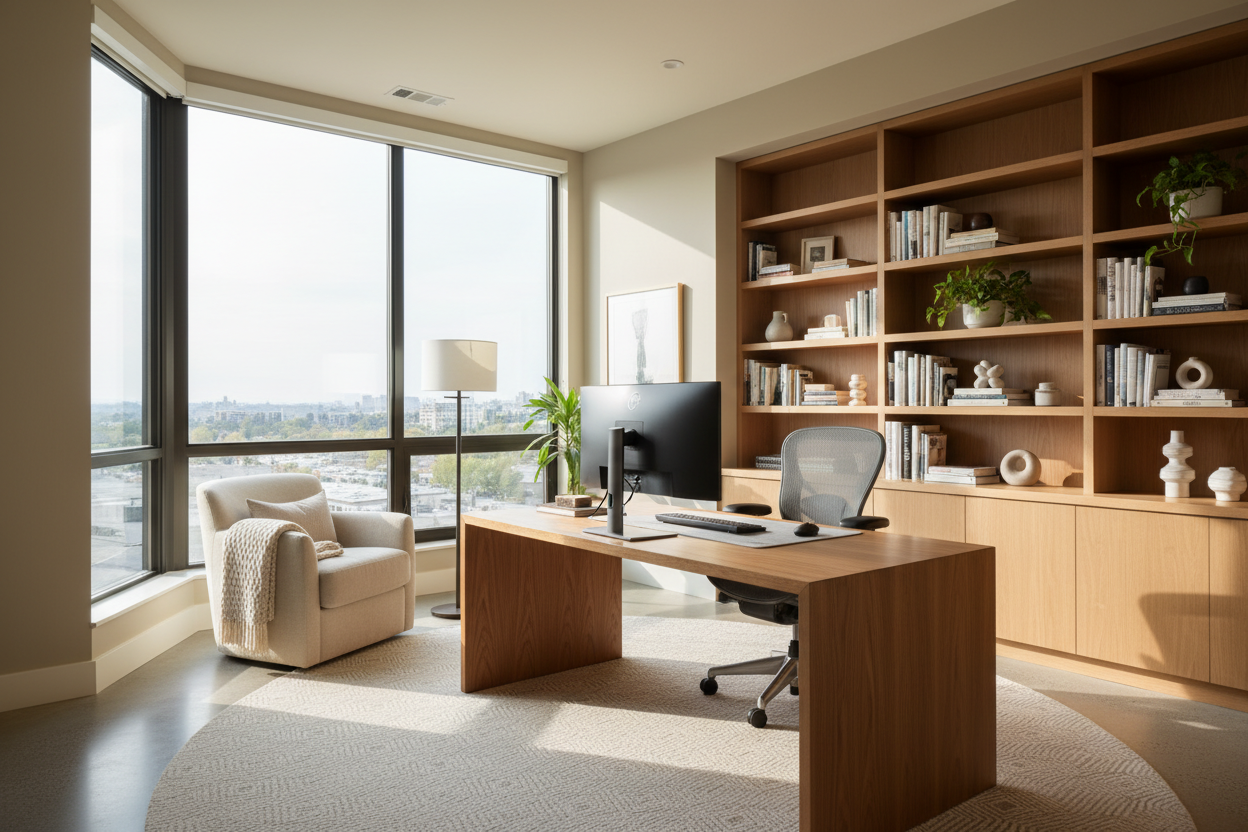
If floor space is at a premium, utilize vertical shelving. A designated printer paper storage container placed on a mid-level shelf keeps the reams at eye level, allowing you to monitor inventory without bending. Opt for opaque containers like leather-bound boxes or lacquered bins to hide the visual clutter of the paper stack while adding a textural element to your bookshelves.
Visual Balance and Concealment
For a luxury look, concealment is key. We want to avoid the "office supply room" aesthetic. If you are using open shelving, transfer your paper out of the branded wrappers immediately. Crisp white stacks can look architectural if aligned perfectly, but a high-end printer paper storage container made of linen or structured felt softens the look and absorbs sound, contributing to a quieter workspace acoustics.
Lessons from My Own Projects
I learned the hard way that paper storage requires specific structural considerations. Early in my career, I designed a custom floating shelf unit for a client’s home office in a humid coastal town. We focused heavily on the finish—a beautiful white oak—but I underestimated the weight of their bulk paper supply.
Within six months, the shelf housing the paper began to list forward, pulling slightly away from the drywall anchors. Furthermore, because the storage was open, the coastal air caused the paper to curl slightly, leading to constant printer jams. It was a functional failure despite looking beautiful.
Now, I always insist on closed cabinetry for paper in humid climates, and I double-check that the hardware is rated for "dead loads" significantly higher than the client thinks they need. It is these invisible details that define luxury—furniture that works as well in year five as it did on day one.
Conclusion
Treating your office supplies with the same design consideration as your furniture elevates the entire room. By selecting robust materials and smart concealment strategies, you turn a mundane necessity into a seamless part of your home’s narrative. A clutter-free space truly fosters a clutter-free mind.
Frequently Asked Questions
Should I store computer paper in an airtight container?
While a vacuum seal isn't necessary, a closed cabinet or box is highly recommended. It protects the paper from dust accumulation and ambient humidity, which are the leading causes of printer jams and ink smearing.
What is the best depth for a copy paper storage cabinet?
Standard letter paper is 11 inches long, but you should look for a cabinet with an internal depth of at least 13 to 14 inches. This allows for easy finger clearance when retrieving a ream and accommodates slightly larger legal-size paper if your needs change.
How do I stop heavy paper from bowing my shelves?
Keep the span of the shelf short. If you are storing heavy reams, avoid wide shelves (over 30 inches) unless they are reinforced with solid wood or metal supports. Distribute the weight evenly rather than stacking everything in the center.

Leave a comment
This site is protected by hCaptcha and the hCaptcha Privacy Policy and Terms of Service apply.