










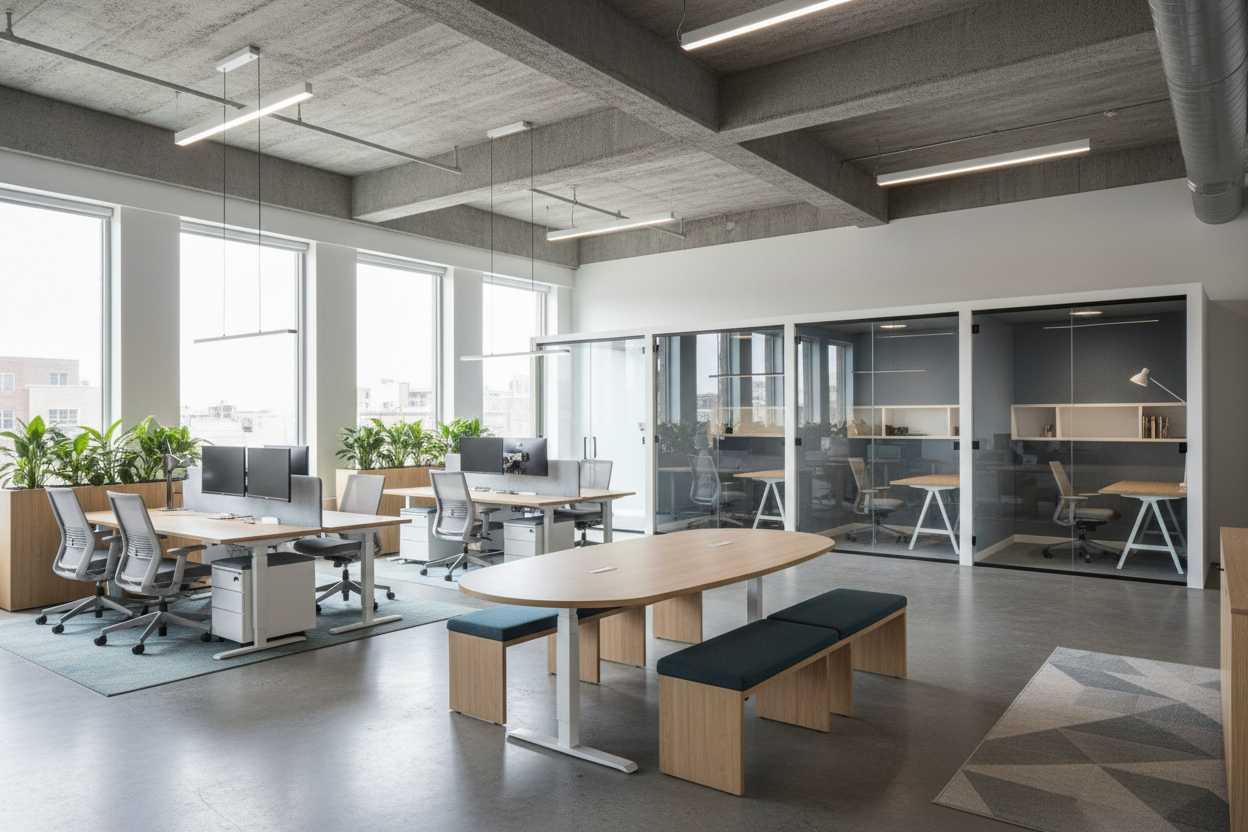
We have all walked into a workspace that feels sterile, disjointed, or simply chaotic. The acoustics are harsh, the flow is awkward, and the furniture feels like an afterthought. Whether you are outfitting a corporate headquarters or a dedicated home study, designing effective office rooms requires a delicate balance between aesthetic appeal and rigorous functionality. It is not just about placing a desk; it is about curating an environment that supports deep focus while allowing for seamless collaboration.
Key Features to Look For
Before purchasing furniture or knocking down walls, consider these core elements that define high-performing spaces. Prioritizing these factors ensures your investment yields a functional return.
- Acoustic Control: Look for materials that dampen sound (upholstered panels, heavy rugs) rather than amplify it.
- Ergonomics: Chairs and desks must support neutral body posture to prevent fatigue during long work sessions.
- Lighting Layers: A mix of ambient (overhead) and task lighting (desk lamps) is non-negotiable for reducing eye strain.
- Traffic Flow: Ensure there is at least 36 inches of clearance between furniture pieces for comfortable movement.
- Material Durability: Commercial-grade laminates or hardwoods often outperform softer veneers in high-traffic zones.
Strategic Layouts for Every Workplace Room
The layout is the skeleton of your design. When planning a workplace room, the placement of furniture dictates how people interact with the space. Do not push everything against the walls; this creates a "dead zone" in the center. Instead, float the desk to command the room.
For executive suites or private offices, position the desk so you face the door—a concept known as the "command position." This reduces subconscious anxiety and creates a welcoming sightline for guests entering the room in office settings. If the space is collaborative, consider a central round table rather than a rectangular one to democratize the conversation and soften the room's angularity.
Material Selection & Durability
Choosing the right materials is where the "Senior Designer" eye is crucial. In rooms in an office building, surfaces take a beating. While a solid walnut desk is stunning and brings warmth, it requires coasters and humidity control. For high-traffic areas, high-pressure laminate (HPL) with a wood grain texture is often a smarter choice—it resists scratches and heat rings while mimicking the visual weight of real timber.
The Tactile Experience
Texture adds depth. If your desk surface is sleek and hard (glass or metal), balance it with a tactile element like a leather desk blotter or a boucle upholstered task chair. This juxtaposition prevents the space from feeling cold and clinical.
Lighting: The Unsung Hero of Rooms for Work
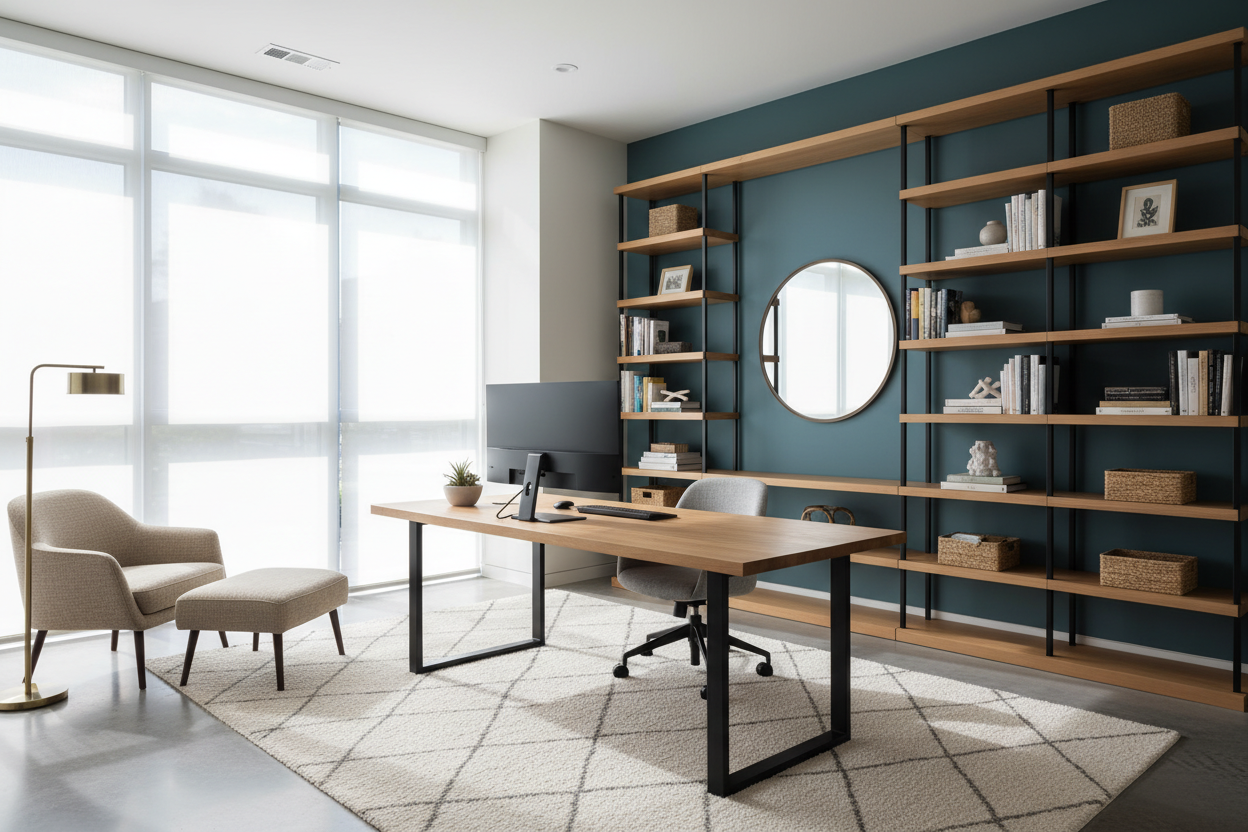
Lighting in rooms for work is often too harsh or too dim. The goal is to reduce contrast. If you have a bright computer screen in a dark room, your eyes work overtime. Layer your lighting scheme. Start with a diffuser on overhead fixtures to scatter light evenly. Then, add a dedicated task light with an adjustable arm. Finally, consider accent lighting—perhaps a floor lamp in the corner—to wash the walls with light, making the room feel more expansive.
My Personal Take on Office Rooms
I learned a hard lesson about finishes during a commercial project for a tech startup in Seattle a few years ago. We specified these gorgeous, matte-black "soft touch" laminate desks for all the private office building rooms. On the mood board, they looked sleek, modern, and incredibly high-end.
Two weeks after installation, the client called me. The issue wasn't the durability—the tables were sturdy. The problem was fingerprints. The "soft touch" finish held onto natural skin oils like a magnet. You could see exactly where everyone rested their forearms. We ended up having to retrofit the desks with custom leather pads to hide the smudges. Now, whenever I spec a dark surface, I physically test it with a greasy thumbprint in the showroom first. It is those unpolished, practical details that save you from a maintenance nightmare down the road.
Conclusion
Designing effective workspaces is about more than just buying a chair and a desk. It is about understanding the psychology of the user and the physics of the environment. By focusing on acoustics, lighting, and durable materials, you can create a space that not only looks professional but actively helps you work better.
Frequently Asked Questions
How do I make small office rooms feel larger?
Use vertical space. Tall bookcases draw the eye upward, making the ceiling feel higher. Also, opt for furniture with exposed legs rather than solid bases; seeing the floor underneath the furniture creates an illusion of more square footage.
What is the best color for rooms in an office?
It depends on the function. Blue and green hues are proven to improve focus and efficiency, making them great for high-concentration zones. Warmer tones like terracotta or soft yellow are better for break rooms or creative brainstorming areas as they stimulate energy.
How do I soundproof rooms in an office building effectively?
True soundproofing requires construction, but you can dampen sound significantly with decor. Add heavy curtains, install acoustic wall panels (which can double as art), and ensure the room has a plush rug. Hard surfaces bounce sound; soft surfaces absorb it.

Leave a comment
This site is protected by hCaptcha and the hCaptcha Privacy Policy and Terms of Service apply.