










Nothing disrupts a cohesive interior design scheme faster than visible cable nests, scattered paperwork, and a lack of surface area. As we transition our homes into multi-functional spaces, the demand for furniture that works as hard as we do has skyrocketed. However, selecting a desk with storage is rarely as simple as picking the piece with the most drawers. It requires a delicate balance between ergonomic function and visual weight.
Quick Decision Guide: Key Features to Look For
Before committing to a purchase, review these critical factors to ensure your new piece serves your workflow without overwhelming the room:
- Storage Configuration: Determine if you need file drawers (deep) for paperwork or shallow compartments for tech accessories. A computer desk with storage often prioritizes CPU space over drawer utility.
- Material Integrity: Avoid particle board if you plan to move the desk often. Look for solid wood or high-grade plywood with durable veneers.
- Visual Footprint: A desk with lots of storage can look heavy. Opt for legs that lift the body off the floor to maintain an airy feel in smaller rooms.
- Cable Management: Ensure the desk and storage units have integrated grommets or channels to hide cords effectively.
Balancing Form and Functionality
When I consult with clients, the first question isn't about style—it's about hardware. Are you using a laptop or a dual-monitor setup? A pc desk with storage requires specific ventilation for the tower, whereas a writing desk focuses on shallow drawers for stationery. If you are looking for a workstation with storage, ensure the desktop depth is at least 24 to 30 inches so your monitor doesn't crowd your face while you type.
Vertical vs. Horizontal Storage
In urban apartments or compact home offices, floor space is premium real estate. This is where a desk with upper storage (often called a hutch) becomes invaluable. By utilizing vertical space, a desk with storage on top draws the eye upward and keeps the footprint small. However, be cautious: in a room with low ceilings, a tall hutch can feel imposing. Conversely, a desk with compartments built into the pedestal (the legs) offers a cleaner, more executive silhouette suitable for open-plan living areas.
Material Selection and Durability
While it is tempting to opt for a cheap storage desk to save budget, the hardware is usually the first thing to fail. Drawer runners on budget furniture often stick or derail within a year. For a storage office desk that lasts, look for dovetail joinery in the drawers and full-extension metal glides. If you prefer a modern aesthetic, a metal and glass computer storage desk offers durability, though it lacks the warmth of timber. For a luxury look, a walnut or oak veneer provides the texture of solid wood without the massive weight, provided the edge banding is applied correctly.
Space Planning for Maximum Efficiency
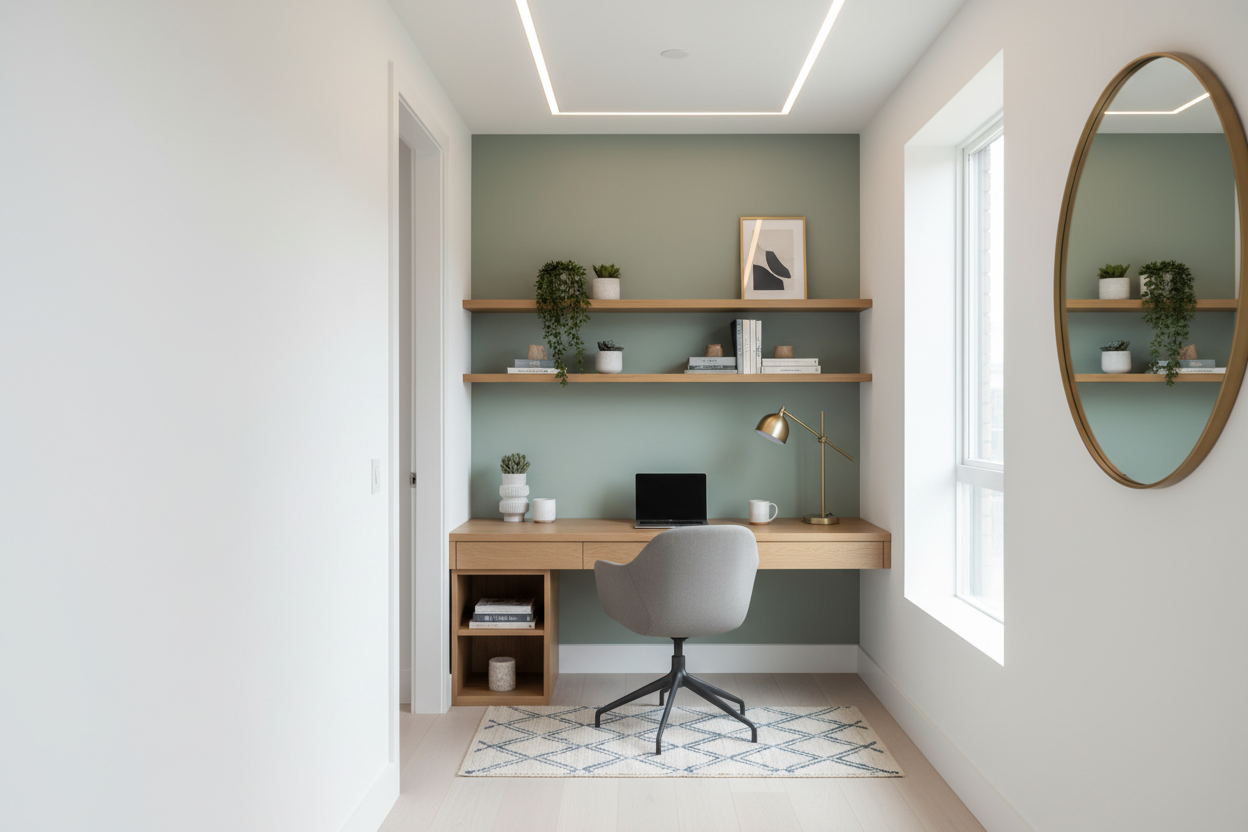
Positioning is everything. A desk with extra storage usually has a finished back, allowing you to float it in the center of the room rather than pushing it against a wall. This command position is excellent for executive vibes. If you are tight on space, look for a small desk with lots of storage that utilizes corner designs or floating shelves above the unit. Remember, a computer table with storage should never block traffic flow; allow at least 36 inches behind your chair to push back comfortably.
Lessons from My Own Projects
I learned the hard way that "storage volume" does not equal "usable storage." Early in my career, I specified a stunning mid-century modern desk with good storage for a client. It had three deep drawers on the left side. It looked perfect on the floor plan.
However, once the client sat down, we realized the knee clearance was too narrow. Every time they swiveled their chair, their knees banged against the storage pedestal. It was a beautiful storage workstation desk, but ergonomically, it was a nightmare. Since then, I always measure the "knee well" width—it needs to be at least 24 inches wide, ideally 28 inches. Also, I avoid drawers that lack soft-close mechanisms; there is nothing more jarring in a quiet home office than the cheap clack of a drawer slamming shut.
Conclusion
Investing in the best computer desk with storage is an investment in your productivity. By looking past the surface aesthetics and inspecting the joinery, drawer depth, and ergonomic clearance, you can find a piece that elevates your interior while taming the chaos of your workday.
Frequently Asked Questions
How do I choose a desk for a very small bedroom?
For tight quarters, look for a desk with top storage or a ladder desk design. These utilize vertical height rather than floor width. A small desk with lots of storage often uses open shelving rather than bulky drawers to keep the visual weight light.
What is the difference between a writing desk and a computer desk with storage?
A writing desk typically has a flat surface and perhaps one shallow center drawer. A computer desk with lots of storage or a pc storage desk will include dedicated compartments for a CPU tower, a keyboard tray, and cable management grommets to handle electronic heat and wiring.
Is a desk with a hutch outdated?
Not necessarily. While traditional hutches can look heavy, modern desks with great storage often feature open-frame metal hutches or floating upper cabinets. This provides the utility of a desk and storage units without the bulky, dated look of 1990s office furniture.

Leave a comment
This site is protected by hCaptcha and the hCaptcha Privacy Policy and Terms of Service apply.