










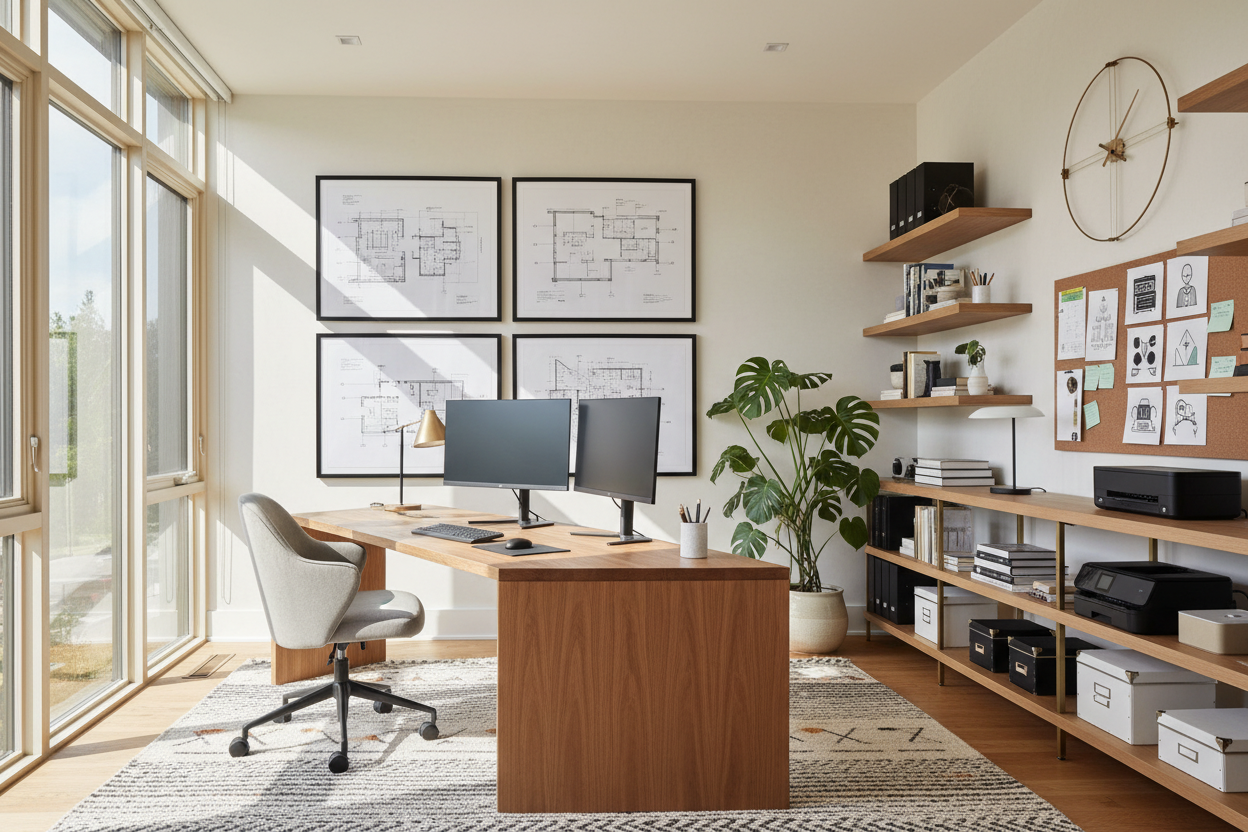
We have all attempted the "laptop on the sofa" routine, only to find our productivity waning and our posture suffering by mid-afternoon. Designing a workspace is not merely about pushing a desk against a wall; it is about curating an environment that fosters focus while maintaining the visual integrity of your home. Whether you are converting a spare bedroom or carving out a niche in the living area, a comprehensive checklist for home office design is the difference between a cluttered corner and a sanctuary of efficiency.
Quick Decision Guide: The Essentials
Before we dive into the nuances of layout and finishes, here are the non-negotiable elements you need to consider for a functional setup. Use this snapshot to prioritize your budget.
- Ergonomics First: Prioritize a chair with adjustable lumbar support and seat depth over pure aesthetics.
- Desk Dimensions: Ensure a minimum depth of 24-30 inches to maintain proper focal distance from monitors.
- Lighting Layers: Combine ambient overhead lighting with a dedicated, adjustable task lamp (ideally 4000K cool white).
- Material Durability: Choose work surfaces like solid wood or high-pressure laminate that resist heat and coffee rings.
- Acoustics: Incorporate soft furnishings (rugs, curtains) to dampen echo and improve audio quality for calls.
Space Planning and Layout
As a designer, the first thing I assess is the "Command Position." Ideally, your desk should face the door, but not be directly in line with it. This creates a sense of psychological security. If you are using a home office setup checklist for a smaller room, avoid facing a wall directly, as this can feel stifling. Instead, position the desk perpendicular to a window. This maximizes natural light without casting glare on your screens—a critical mistake many homeowners make.
The Anchor Pieces: Desk and Seating
Selecting the Right Desk Surface
The desk is the focal point of the room. For a sophisticated look that ages well, I often recommend solid walnut or white oak. These materials bring warmth and texture that sterile melamine cannot replicate. However, if you are concerned about maintenance, high-quality wood veneers offer the aesthetic of solid wood with increased stability against humidity changes. Pay attention to the silhouette; a desk with a modesty panel is excellent if the back is visible to the room, while a parson-style desk keeps small spaces feeling open and airy.
The Chair: Where Form Meets Function
When setting up home office checklist priorities, the chair is where you should allocate a significant portion of your budget. Look for a mechanism that allows for "dynamic sitting"—meaning the chair moves with you. From a textile perspective, breathable mesh is practical for long hours, but a top-grain leather adds an undeniable gravity and luxury to the space. If choosing fabric, ensure it has a high rub count (durability rating) to withstand daily friction.
Lighting and Ambiance
Standard residential lighting is rarely sufficient for work. You need to manipulate the lighting temperature. Overhead lights should provide general illumination, but the magic happens with task lighting. I recommend an articulating desk lamp with a high CRI (Color Rendering Index) to ensure colors look true—vital if your work involves any visual design. Avoid placing light sources directly behind you, as this creates shadows on your workspace and strains the eyes.
Storage and Visual Balance
Clutter is the enemy of a designer-grade aesthetic. Your storage solutions should be as beautiful as they are functional. Opt for closed cabinetry to hide paperwork and printers (the least attractive office items). Open shelving should be reserved for curated decor—books with cohesive spines, sculptural objects, or a singular plant to add biophilic elements. This balance keeps the room feeling like a part of your home, not a cubicle.
Lessons from My Own Projects
I want to share a specific realization from a project I worked on last year that changed how I approach the checklist for home office layouts. I designed a stunning, minimalist office for a client featuring a sleek, tempered glass desk. It looked incredible in the rendering.
However, two weeks after installation, the client called me. The issue wasn't the look—it was the tactile experience and the acoustics. The glass was cold on their forearms during early morning emails, and every time they set down a ceramic mug, it made a sharp clink that disrupted their flow. Furthermore, glass offers zero wire management; every cable was visible. We ended up swapping it for a leather-wrapped writing desk. The lesson? Always prioritize the tactile "touch" of furniture and the hidden management of wires. If you can see the cables, the luxury illusion is broken immediately.
Conclusion
Creating a workspace that inspires you requires looking beyond the utility of a table and chair. By selecting materials that age gracefully, prioritizing lighting, and considering the tactile experience, you elevate the mundane task of working into a refined ritual. Use this guide to build a space that works as hard as you do.
Frequently Asked Questions
What is the ideal desk height for a home office?
The standard desk height is between 29 and 30 inches. However, if you are shorter or taller than average, an adjustable sit-stand desk is highly recommended to ensure your elbows remain at a 90-degree angle while typing.
How do I fit a home office into a small bedroom?
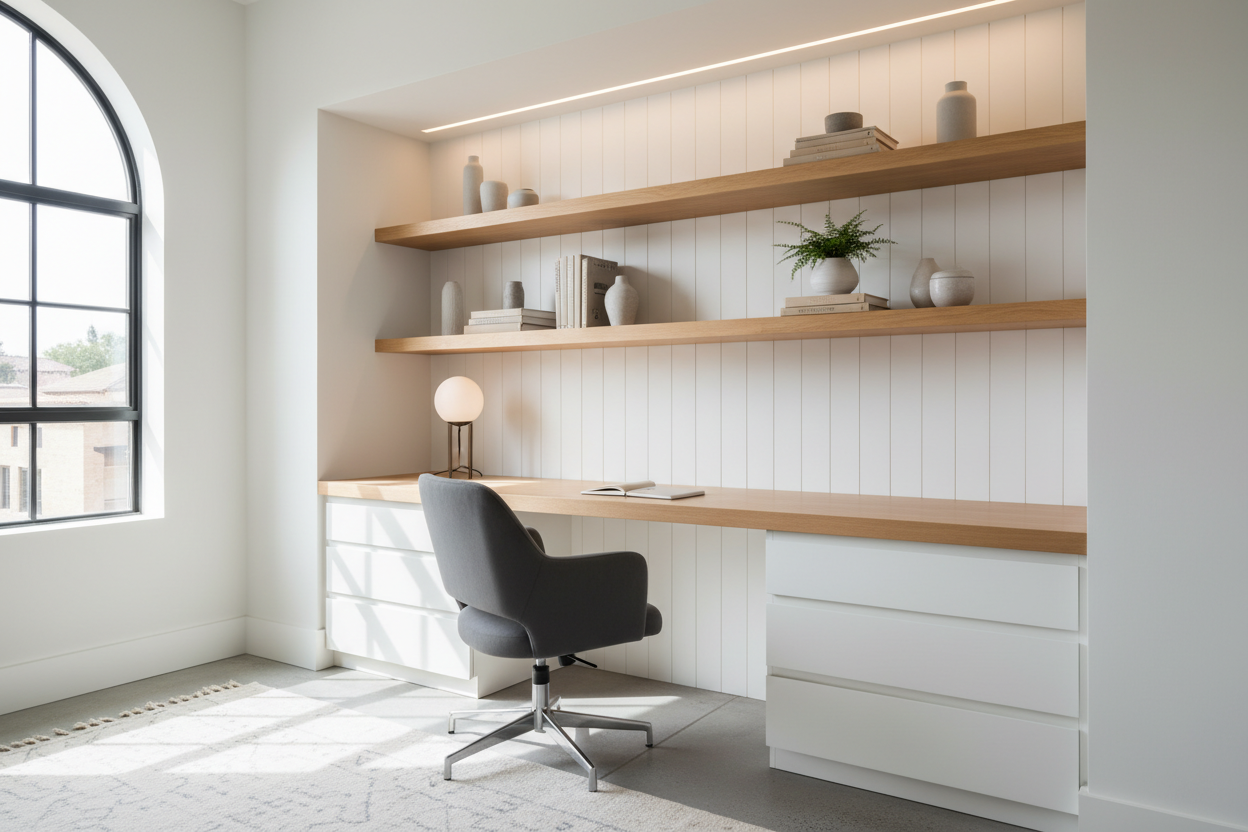
Focus on verticality. Use wall-mounted shelving above the desk to save floor space. Choose a "floating" desk (wall-mounted) or a desk with slender legs (like a writing bureau) to maintain visual flow and make the room appear larger.
Does the color of the room affect productivity?
Absolutely. While white is clean, it can be clinical. Soft greens and blues are known to improve focus and calmness (biophilic design principles), while deep charcoal or navy can create a cozy, library-like atmosphere conducive to deep work.

Leave a comment
This site is protected by hCaptcha and the hCaptcha Privacy Policy and Terms of Service apply.