










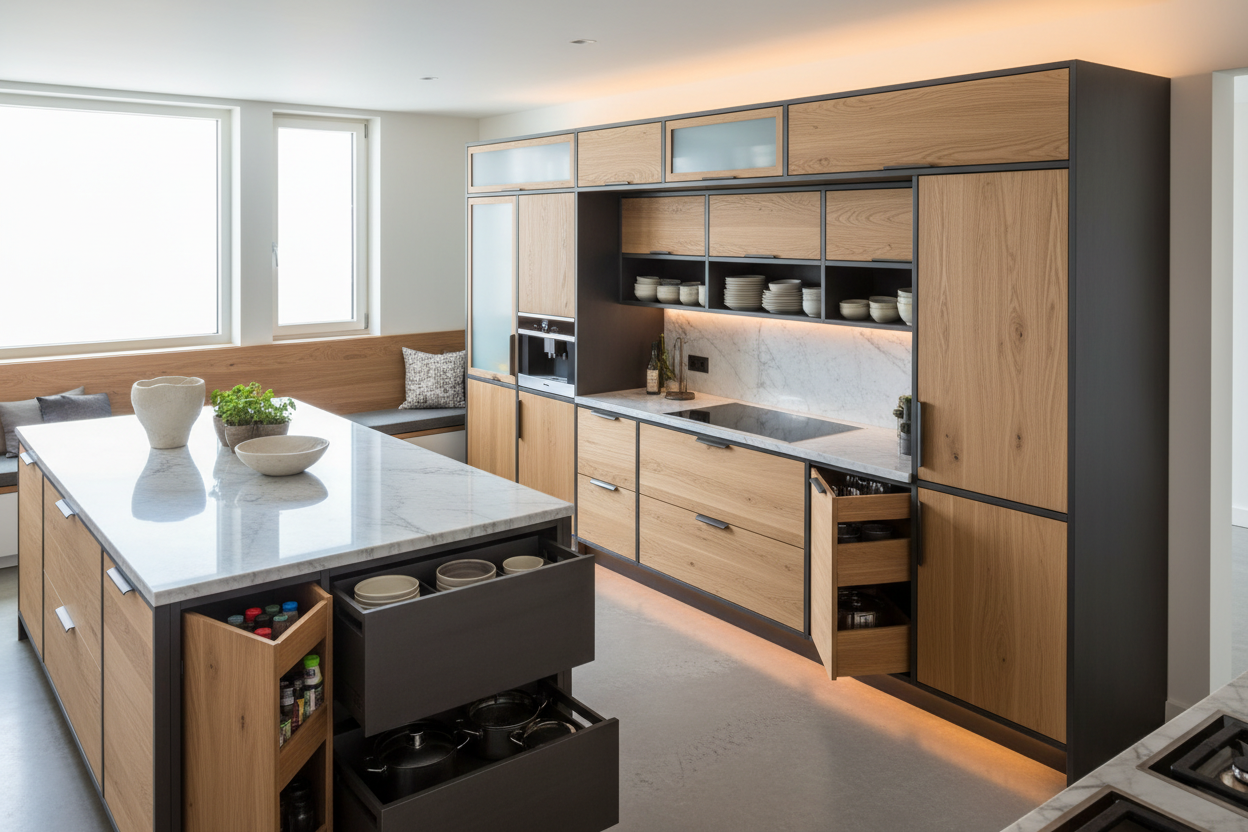
I remember walking into a client's kitchen where they'd installed these incredible, sculptural cabinets with curved glass fronts. They looked like art pieces—and they were. But the first thing the homeowner said was, 'I love how they look, but I can't find my coffee mugs.' That's the moment I realized that unique kitchen cabinets need to earn their place beyond just visual impact.
If you're considering something beyond standard shaker doors, you're probably wondering how to make those cool cabinet ideas actually function in your daily life. Let's talk about what makes unconventional designs work—or fail—in real North American kitchens.
Quick Takeaways
- Unique cabinets should solve problems, not create them—think about your workflow first
- Material choices affect both durability and maintenance (that matte finish shows every fingerprint)
- Storage innovations hidden in unique designs can actually increase functionality
- Integration with existing elements (like your 36-inch wide refrigerator) matters more than standalone beauty
- Quality construction (dovetail joints, full-extension slides) keeps unique cabinets working for years
Why 'Unique' Should Mean More Than Just Unusual
I've seen homeowners fall in love with unconventional kitchen cabinets online—those floating shelves with integrated lighting, or cabinets with geometric cutouts—only to realize they don't actually work with how they cook. The difference between successful unique cabinets and frustrating ones comes down to planning.
Think about your kitchen's workflow. If you're someone who cooks from scratch most nights, you need easy access to pots, pans, and ingredients. A cabinet with doors that open outward 90 degrees might look sleek, but if it blocks your path to the stove, you'll regret it every time you're making dinner.
That's why I always recommend starting with function. What do you actually need to store? How do you move through your kitchen? Once you understand that, you can explore unique designs that enhance rather than hinder your daily routine.
The 3 Design Principles That Make Cool Cabinets Actually Work
After furnishing over 200 homes, I've found three principles that separate successful unique cabinets from disappointing ones.
First, proportion matters. Those extra-tall upper cabinets might look dramatic in photos, but if you're 5'4", you'll need a step stool for everything above the second shelf. I recommend keeping frequently used items within what I call the 'comfort zone'—between 15 and 60 inches from the floor.
Second, consider sight lines. Open shelving looks amazing in magazines, but if you're not naturally tidy, it can make your kitchen feel cluttered. I often suggest a mix: some open display areas for beautiful items, with closed storage for the everyday mess.
Third, think about longevity. That bright turquoise lacquer might feel exciting now, but will you still love it in five years? I usually recommend bolder colors for elements you can change more easily, like hardware or a single accent cabinet, while keeping larger investments more neutral.
Material Innovation That Goes Beyond Aesthetics
When clients ask about unique materials, I always bring them back to practical considerations. That reclaimed wood with visible knots looks rustic and beautiful, but it requires more maintenance than a sealed laminate. The matte black finish looks sophisticated, but it shows every fingerprint and water spot.
I recently worked with a family who wanted cabinets made from bamboo plywood. Beyond being sustainable, it offered practical benefits: it's more dimensionally stable than traditional hardwood in our variable climate, resisting warping better when the humidity changes. The key is understanding what each material actually does beyond how it looks.
For high-use areas near sinks and stoves, I recommend materials that can handle moisture and heat. A thermofoil finish over medium-density fiberboard (MDF) might not sound exciting, but it's incredibly practical for these zones—wipe-clean, moisture-resistant, and available in textures that mimic more expensive materials.
Smart Storage Solutions Hidden in Plain Sight
This is where unique cabinets can truly shine. I worked with a baker who needed specialized storage for her equipment. Instead of standard shelves, we designed cabinets with pull-out racks for baking sheets, vertical slots for cutting boards, and a dedicated compartment for her stand mixer that lifted to counter height.
Corner cabinets are notorious for wasted space, but they don't have to be. I've installed corner solutions with rotating shelves that make every inch accessible. One client even had a corner cabinet with a tambour door that rolled up to reveal a compact coffee station—completely hidden when not in use.
The most successful storage innovations solve specific problems. For a family with young children, we created lower cabinets with soft-close mechanisms and safety locks that were disguised as decorative elements. For an avid entertainer, we designed a cabinet that looked like a furniture piece but opened to reveal a complete bar setup.
Integrating Unique Cabinets With Your Kitchen's Overall Flow
Your cabinets don't exist in isolation. They need to work with everything else in your kitchen. I always start by mapping the room's traffic patterns. There should be at least 42 inches of clearance between countertops and islands, and 36 inches in front of appliances and cabinets when doors are open.
If you're adding a statement piece like a brightly colored pantry cabinet, consider how it relates to other elements. Will it compete with your kitchen island for attention? Sometimes, making one element unique while keeping others simpler creates better balance.
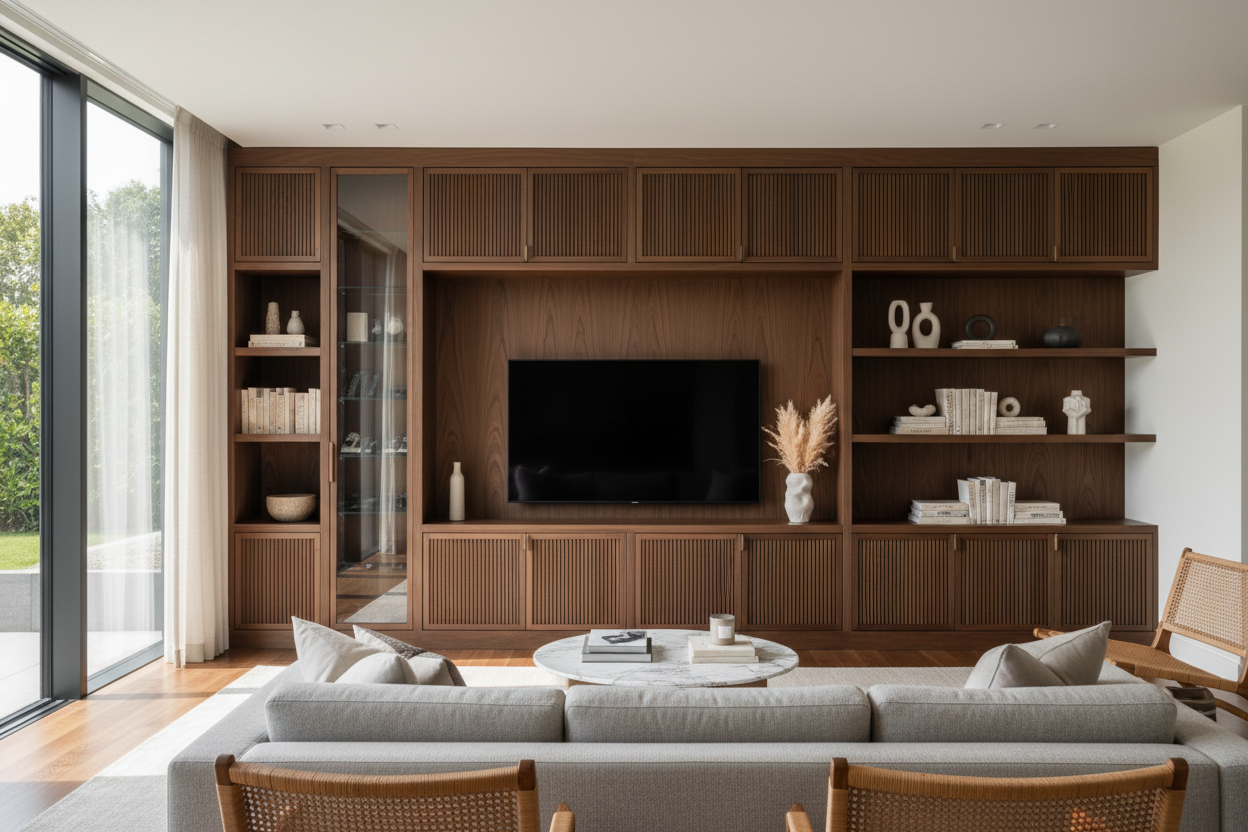
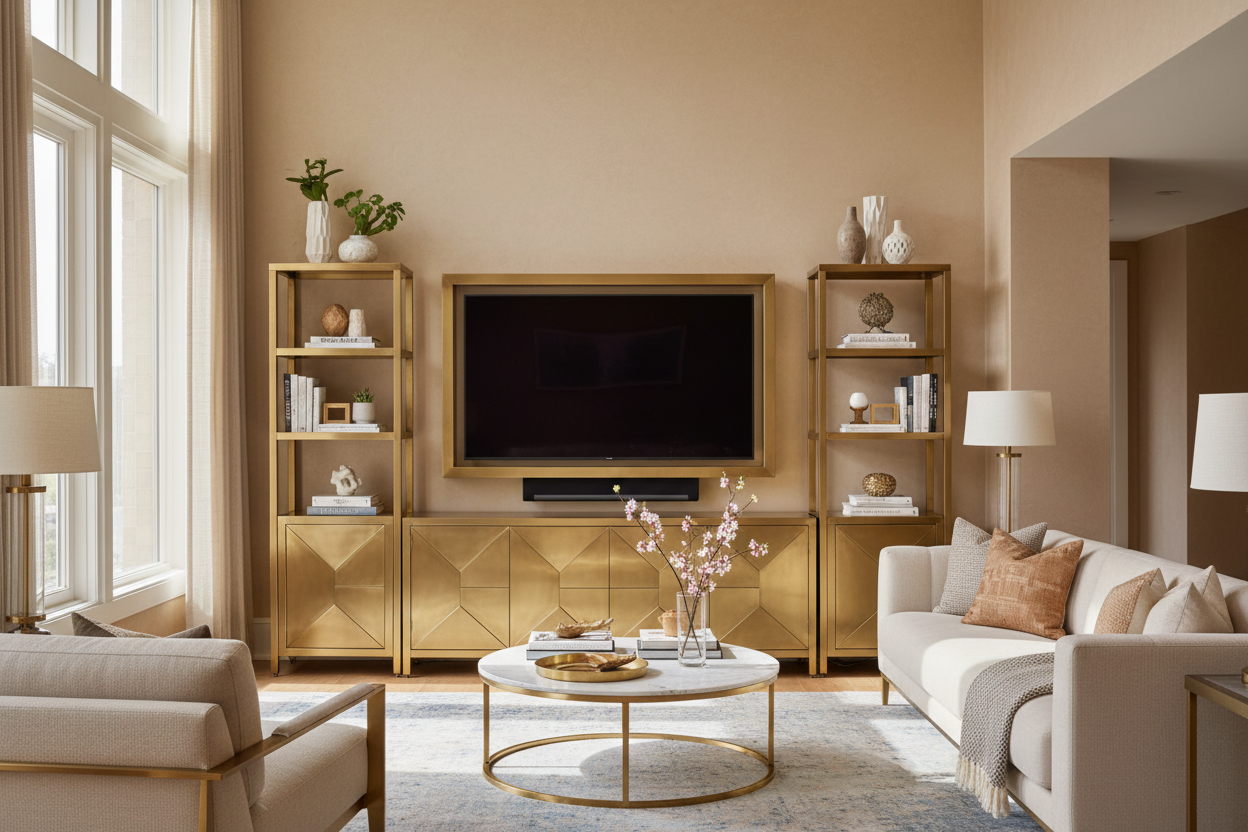
I recently helped a client integrate a 55" buffet cabinet into their kitchen design. It looked like freestanding furniture but provided crucial additional storage. By matching the countertop material and hardware to their existing cabinets, it felt intentional rather than added as an afterthought.
Where to Find Quality Unique Cabinets Without the Designer Markup
Many homeowners assume unique means custom and expensive, but that's not always true. Semi-custom lines from reputable manufacturers often offer modification options at reasonable prices. You can get different door styles, finishes, or interior fittings without going fully custom.
I recommend looking for cabinets with solid construction details: dovetail or mortise-and-tenon joints, full-extension drawer slides rated for at least 75 pounds, and adjustable shelves. These features matter more than exotic materials when it comes to longevity.
For those willing to put in some work, quality can be found without the designer markup through direct-from-manufacturer programs or reputable online retailers. Just be sure to order samples first—colors and textures can look different on screen versus in your lighting.
Personal Experience: When Unique Cabinets Worked (And When They Didn't)
Early in my career, I designed a kitchen with floor-to-ceiling cabinets featuring glass fronts with geometric patterns. They were stunning—and completely impractical. The patterns made it hard to see what was inside, and the glass showed every uneven stack of dishes. The homeowners loved how they looked but hated using them daily.
Later, I worked with a couple who wanted something different but functional. We created cabinets with recessed panels that appeared flat from a distance but had subtle texture up close. The doors used Blum soft-close hinges (the industry standard for good reason), and we included specialized storage for their specific needs. Five years later, they still tell me how much they love their kitchen—not just how it looks, but how it works.
The lesson? Unique should enhance your life, not complicate it. Start with how you actually use your kitchen, then find designs that support that use in beautiful ways.
FAQ
How much more do unique cabinets typically cost?
It depends on what makes them unique. Custom sizes or unusual materials might add 20-50% compared to standard cabinets. But many 'unique' looks can be achieved through door style and finish choices within semi-custom lines for minimal additional cost.
Are unique cabinets harder to maintain?
Some can be. Textured surfaces collect more dust, matte finishes show marks more easily, and certain materials require specific cleaners. Always ask about maintenance requirements before committing to a unique material or finish.
Will unique cabinets hurt my home's resale value?
If they're well-executed and functional, they can actually increase appeal by making your kitchen memorable. Problems arise when unique means impractical or overly personalized. Neutral colors with unique textures or subtle details tend to have the broadest appeal.
How do I know if a unique cabinet design will work in my space?
Create a mockup. Use painter's tape on the floor and walls to outline the cabinets. Live with it for a few days, walking through your normal routines. This simple test has saved countless clients from expensive mistakes.

Leave a comment
This site is protected by hCaptcha and the hCaptcha Privacy Policy and Terms of Service apply.