










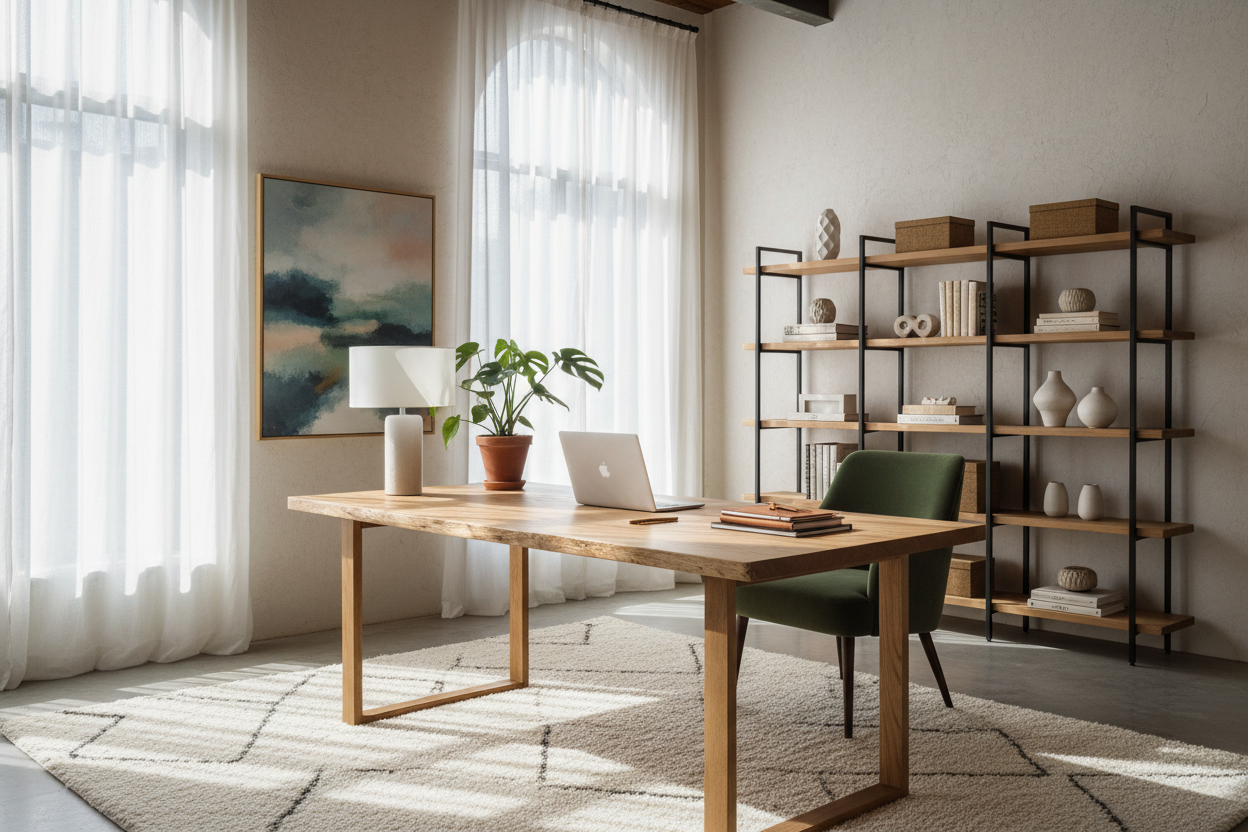
Integrating a workspace into a living area requires a delicate balance. You want functionality, but you likely want to avoid the sterile, melamine-heavy aesthetic of a corporate cubicle. This is where the homestyle desk shines—a piece of furniture designed to bridge the gap between heavy-duty utility and residential warmth. Whether you are curating a dedicated study or carving out a nook in a master bedroom, selecting the right desk is about understanding visual weight, material integrity, and how the piece interacts with your existing decor.
Quick Decision Guide: Key Features to Look For
- Material Authenticity: Prioritize solid wood or high-quality veneers over laminate to ensure the piece ages well within a home environment.
- Visual Weight: For smaller rooms, choose desks with slender legs (Parsons style) to keep the floor visible; for grander studies, pedestal bases add necessary gravity.
- Hardware Quality: Inspect drawer pulls and hinges. In homestyle furniture, hardware acts as jewelry and defines the era (e.g., brass for traditional, matte black for modern).
- Finished Backs: If the desk floats in the center of the room, ensure the back panel is fully finished and aesthetically pleasing.
- Cable Management: Look for hidden grommets or channels that maintain a clean silhouette without sacrificing connectivity.
Defining the Aesthetic: Form Meets Function
When we discuss home styles desks, we are referencing a broad spectrum of design languages—from the rustic charm of a farmhouse trestle table to the sleek, tapered lines of Mid-Century Modern. The goal is to select a silhouette that complements, rather than competes with, your sofa or lounge chair.
Materiality and Texture
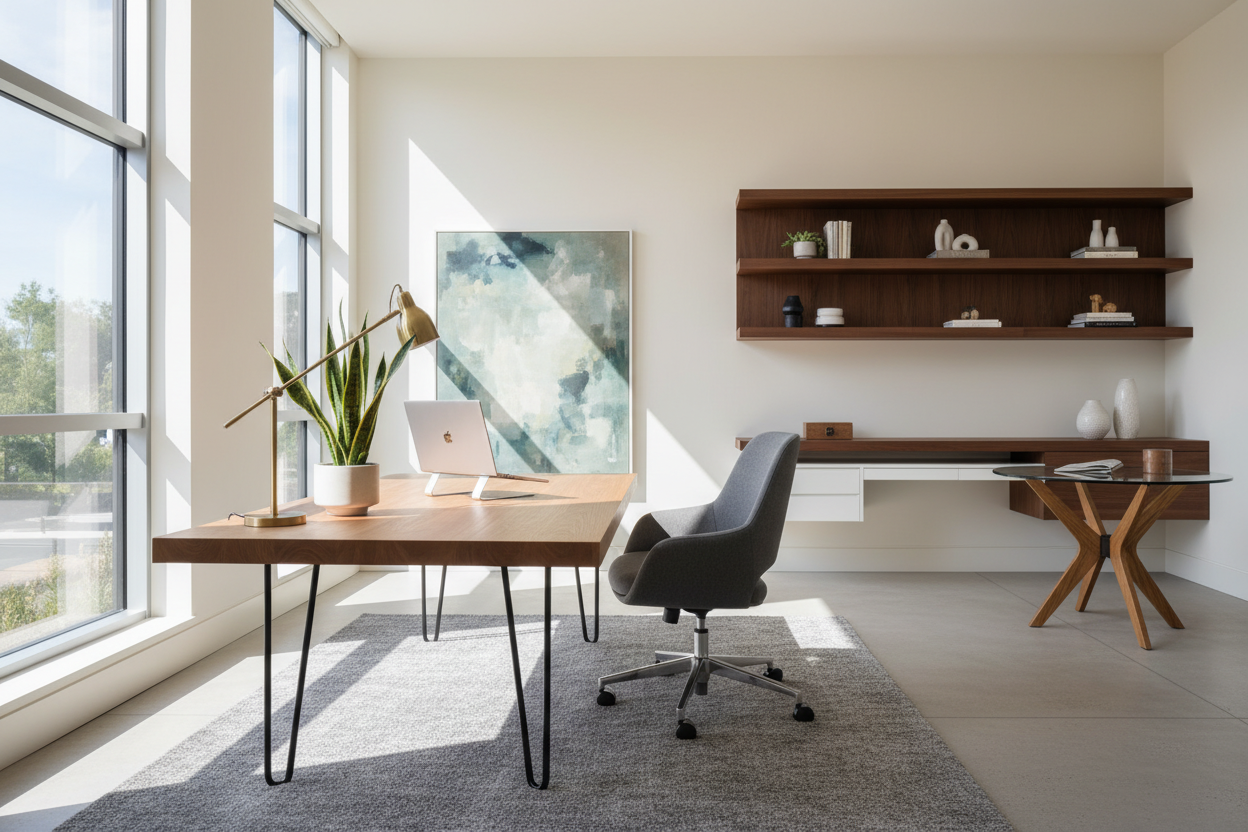
As a designer, I always advise clients to focus on tactile experiences. A corporate desk feels cold and smooth; a homestyle option should offer warmth. Walnut, oak, and mahogany are excellent choices because they introduce organic grain patterns that soften the technical look of monitors and laptops. If you prefer a more contemporary edge, look for mixed materials—such as a glass top paired with a brass architectural base—which can make a heavy piece of furniture feel lighter and more airy.
Space Planning and Layout
The placement of your desk dictates the flow of the room. A common error is shoving a beautiful desk into a dark corner. Instead, treat the desk as a focal point. If you have the square footage, floating the desk perpendicular to a window allows for natural light without the glare on your screen.
Ergonomics in Disguise
One challenge with residential furniture is that it sometimes sacrifices ergonomics for style. Ensure the apron (the vertical panel beneath the desktop) isn't so deep that it prevents you from crossing your legs or sliding your chair all the way in. The standard desk height is 29 to 30 inches; anything lower may cause strain, regardless of how beautiful the finish is.
My Personal Take on Homestyle Desks
I learned a hard lesson about "rustic" finishes early in my career while designing a home office for a client in a converted loft. We selected a stunning, reclaimed wood desk that looked incredible in the showroom. It had deep grooves and a heavy, distressed texture that perfectly matched the exposed brick walls.
However, two weeks after installation, the client called me. The issue wasn't the look—it was the usability. The surface was so uneven that writing on a single sheet of paper was impossible; the pen would punch through the paper into the wood grain. Furthermore, the "homestyle" matte finish was porous, meaning a single coffee ring stained it permanently within days. I had to commission a custom tempered glass top to salvage the piece. Now, I always test the surface smoothness and seal quality with my thumbnail before recommending a piece. If it feels too raw, it needs a blotter or a different finish entirely.
Conclusion
Investing in a high-quality homestyle desk is about more than just having a place to type; it is about creating an environment that respects the sanctity of your home while enabling your best work. By focusing on solid materials, appropriate scale, and functional ergonomics, you can curate a workspace that feels intentional and luxurious.
Frequently Asked Questions
What is the difference between a homestyle desk and an executive desk?
An executive desk is typically massive, blocky, and designed for large office suites with a focus on hierarchy and wire management. A homestyle desk usually features a lighter footprint, decorative details (like turned legs or inlay work), and finishes that match residential furniture like dining tables or consoles.
How do I protect the wood finish on my desk?
To maintain the integrity of the wood, always use a leather or felt desk blotter under your laptop and writing area. This prevents heat damage from electronics and scratches from writing instruments. Avoid harsh chemical cleaners; a damp microfiber cloth is usually sufficient for dusting.
Can I use a dining table as a homestyle desk?
Absolutely. Many "home styles desks" are essentially smaller dining tables. The key is height—dining tables are often slightly lower (28-30 inches) than some office desks. Ensure your office chair has adjustable height to accommodate this difference to prevent shoulder strain.

Leave a comment
This site is protected by hCaptcha and the hCaptcha Privacy Policy and Terms of Service apply.