










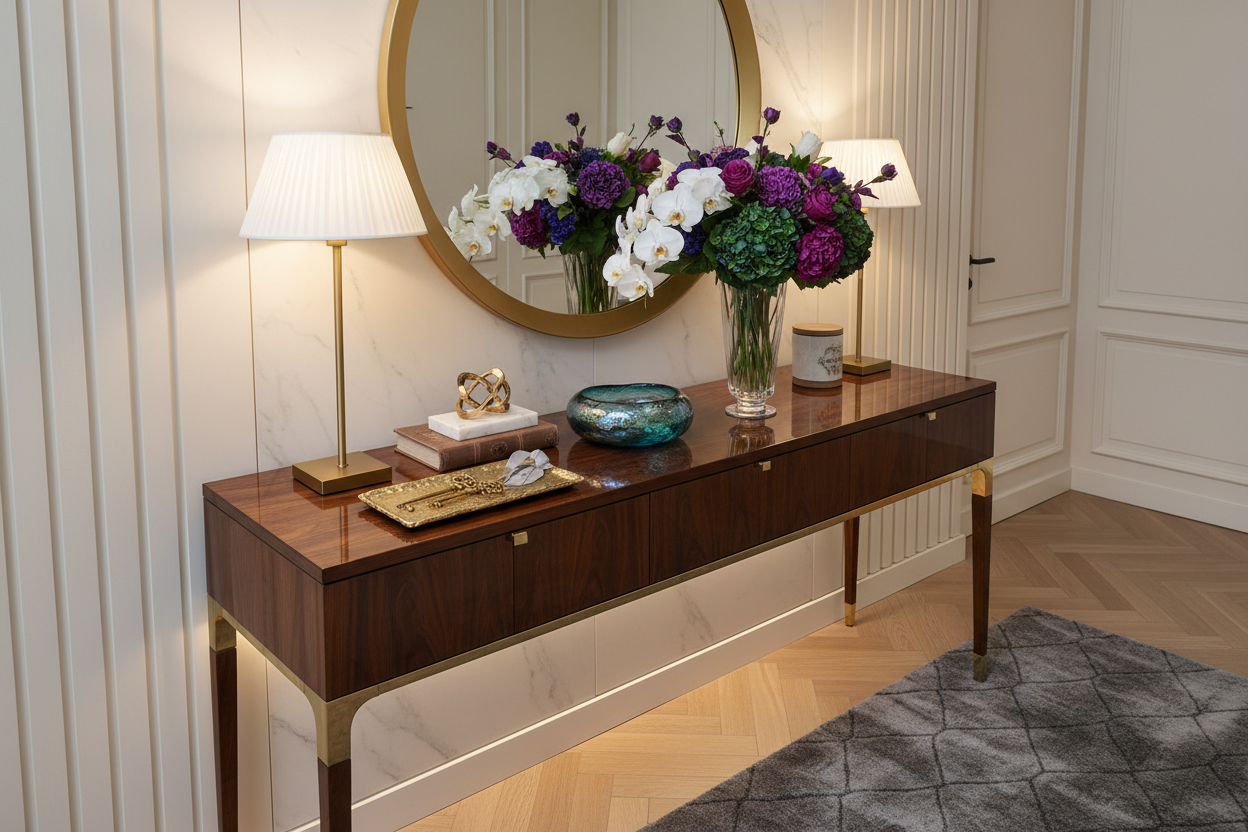
The entryway is the handshake of the home. It sets the tone for the rest of your interior narrative, yet it is often the primary victim of daily clutter. We all experience the instinctive need to unburden ourselves the moment we step across the threshold—keys, sunglasses, mail, and loose change need a landing zone. Without a designated spot, these items create visual chaos that disrupts the flow of your design. The solution lies in a curated **front door catch all**. When selected with intention, this piece serves not merely as a receptacle for debris, but as a sculptural element that anchors your console table or shelving unit.
Quick Decision Guide: Key Features to Look For
- Material Integrity: Prioritize materials that age well under daily handling, such as full-grain leather, sealed brass, or solid wood.
- Acoustics: Consider the sound of keys dropping. Softer materials (leather, felt, woven fibers) dampen noise compared to glass or metal.
- Scale & Proportion: The vessel should occupy roughly 15-20% of the surface area of your console table to maintain negative space.
- Depth & Accessibility: Ensure the sides are high enough to conceal clutter from a seated eye level, but low enough for easy retrieval.
Choosing the Right Material Palette
As a designer, I always start with texture. Your catch all is a high-touch point; it offers a tactile experience every time you leave or enter the home. For a sophisticated, masculine edge, look for structured leather trays with saddle stitching. These absorb the impact of heavy items and develop a rich patina over time.
If your entryway leans towards organic modernism or coastal aesthetics, an entryway catchall basket is an excellent choice. Woven seagrass or rattan adds necessary warmth and softens the hard lines of a marble or glass console table. However, ensure the weave is tight; loose weaves can snag keys or allow small coins to slip through the gaps.
Balancing Scale and Visual Weight
One of the most frequent errors I see in DIY styling is a disconnect in scale. A small, delicate dish on a heavy, rustic oak table looks lost and unintentional. Conversely, an oversized bowl on a slender, leggy console feels top-heavy.
The Rule of Thirds
Visualize your console table surface in thirds. Your catch all should anchor one of the outer thirds, balanced on the opposite side by a vertical element, such as a table lamp or a tall vase of branches. This creates an asymmetrical balance that keeps the eye moving across the vignette.
Functionality Meets Aesthetics
While aesthetics are paramount, the internal functionality dictates longevity. If you are dropping heavy sets of keys daily, fragile ceramics or unsealed porous stones (like raw travertine) may chip or stain from oils on your hands. For high-traffic family homes, I often recommend a dual-layer approach: a larger, shallow decorative tray to frame the space, holding a smaller, distinct bowl specifically for keys and coins. This compartmentalization prevents the "junk drawer" effect where receipts bury your essentials.
Lessons from My Own Projects
I learned a valuable lesson about material selection during a project for a client in a minimalist downtown loft. I styled their entryway with a stunning, architectural polished steel tray. visually, it was perfect—sleek, modern, and reflective.
Two weeks later, the client called me. It wasn't the look they hated; it was the sound. Every time they came home late, dropping their keys onto that steel tray sounded like a cymbal crash in the echoing concrete space. It was a sensory disruption they hadn't anticipated. I swapped it out for a thick, saddle-leather tray in a cognac hue. The silence was immediate, and the leather added a necessary note of warmth to the industrial space. Now, I always test the "drop sound" before finalizing an entryway accessory.
Conclusion
Elevating your entryway doesn't require a full renovation. By thoughtfully selecting a vessel that harmonizes with your home's architecture and your lifestyle needs, you turn a mundane habit into a refined ritual. Let your catch all be a testament to the idea that even the smallest details deserve design consideration.
Frequently Asked Questions
How do I clean a woven entryway catchall basket?
Woven materials trap dust easily. Use a vacuum with a brush attachment on a low setting to remove debris from the crevices. If it requires a deeper clean, use a damp cloth with mild soap, but ensure it dries completely and quickly to prevent mold or warping.
What is the ideal size for a catch all?
Aim for a piece that is roughly 8 to 10 inches in diameter or width. This is large enough to hold a phone, wallet, and keys without feeling crowded, but small enough to leave room for styling elements like books or lighting.
Can I use a catch all if I don't have a console table?
Absolutely. If space is at a premium, consider a wall-mounted shelf or a floating drawer unit. In these instances, choose a shallow, rectangular tray that mimics the linearity of the shelf to maintain a streamlined profile.



Leave a comment
This site is protected by hCaptcha and the hCaptcha Privacy Policy and Terms of Service apply.