










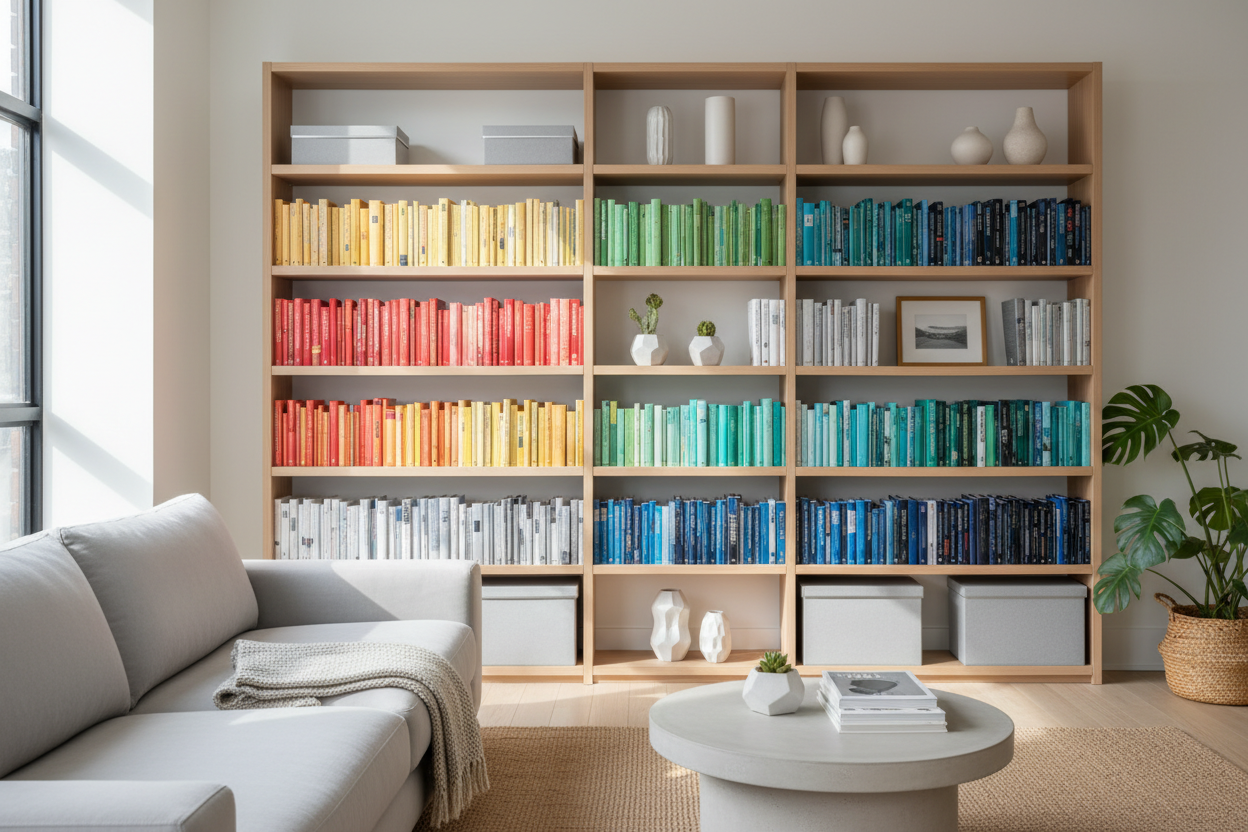
Finding the right balance between displaying your favorite novels and hiding away daily clutter is often the hardest part of interior design. A well-chosen storage solution doesn't just hold items; it defines the flow and functionality of a room. The most effective approach combines vertical height for maximizing square footage with a mix of open and closed compartments. This allows you to curate a visual gallery of items you love while keeping necessary but unsightly objects out of view. Whether you are outfitting a home library, a tight office corner, or a sprawling living room, the goal is to select furniture that serves a dual purpose: aesthetic appeal and practical utility.
Why Multifunctionality Matters in Modern Homes
Gone are the days when a shelf was simply a series of horizontal planks bracketed to a wall. As our living spaces become more dynamic, the furniture we choose must work harder. A standard open rack might suffice for a college dorm, but a sophisticated home requires a bookcase and storage combination that addresses real-life needs. This means looking for pieces that integrate drawers, cabinets, or adjustable cubbies alongside traditional shelving.
I learned this lesson the hard way a few years ago when moving into a loft with high ceilings but very little floor space. I initially bought a sleek, minimal open-frame shelf because it looked great in the catalog. Within a month, it was a disaster. It held my books beautifully, but I had nowhere to put printer paper, charging cables, or the miscellaneous office supplies that accumulate over time. The visual noise of the clutter ruined the sleek look I was aiming for. I eventually swapped it for a heavier unit with solid cabinet doors at the bottom and open shelves up top. The difference was immediate—the room felt grounded, organized, and intentional rather than chaotic.
Choosing Between Open Shelves and Closed Cabinetry
The debate between open shelving and closed cabinets is easily resolved by choosing a hybrid model. A bookshelf and storage system that offers both is usually the superior choice for main living areas. Open shelves invite interaction; they are where you place your conversation starters, travel souvenirs, and your curated book collection. This area creates the personality of the room.
Conversely, the lower sections of these units are best reserved for concealment. This is where the "storage" aspect truly shines. Deep cabinets can house board games, photo albums, or electronics that you don't want on display. When shopping, pay close attention to the ratio of open to closed space. A 50/50 split works well for home offices, while a living room might benefit from 70% display space and 30% concealed storage.
The Rise of Modular Systems
If you anticipate your collection growing or your living situation changing, a modular book shelf storage unit is a smart investment. These systems allow you to start with a base unit and add vertical extensions or side cabinets as needed. Unlike static furniture, modular units adapt to the architecture of your room. You can wrap them around corners, bridge them over doorways, or create a floor-to-ceiling library effect without the cost of custom built-ins.
Modular units also tend to offer better customization for specific items. If you collect vinyl records, for instance, you can adjust shelf heights to accommodate the 12-inch sleeves. If you have oversized art books, you can remove a shelf to create a taller gallery space. This flexibility prevents the common frustration of buying a fixed piece of furniture only to realize your tallest items don't fit.
Material Selection and Durability
A bookshelf is under constant stress. Books are surprisingly heavy—a single linear foot of hardcover books can weigh upwards of 20 pounds. Particleboard or low-grade MDF often sags under this weight over time, creating a distinct "smile" shape in the shelves that looks cheap and threatens structural integrity. For any bookcase and storage solution intended to last more than a few years, solid wood or high-grade plywood with a veneer is preferable.
Metal shelving offers a different aesthetic and incredible strength. Industrial-style units often pair metal frames with wood planks, providing a sturdy backbone that can support heavy loads without looking bulky. However, ensure the metal is powder-coated or treated to prevent rust, especially if you live in a humid climate. If you must go with composite materials due to budget, look for units with shorter shelf spans (under 30 inches) or reinforced front edges, which help resist sagging.
Styling Your Unit for Visual Balance
Once you have your bookshelf and storage piece in place, the challenge shifts to styling. Overstuffing every inch of shelf space creates a claustrophobic feeling. Negative space is your friend. Leave gaps between book clusters. Use bookends not just for support, but as sculptural elements.
Try alternating the orientation of your books. Stack some horizontally and line others up vertically. This breaks up the monotony of the spine lines and adds visual texture. Intersperse organic elements like small potted plants or smooth stones to soften the hard lines of the books and the unit itself. If you are using a book shelf storage unit with cube organizers, consider using fabric or wicker baskets in a checkerboard pattern. This hides loose items while adding warmth and texture to the display.
Placement Strategies for Different Rooms
While the living room is the default habitat for these pieces, they can serve critical functions elsewhere. In a dining room, a unit with glass upper doors and solid lower doors acts as a modern china cabinet. You can display serving ware and wine glasses safely while storing linens and seasonal platters below. In a bedroom, a low-profile storage unit can double as a bench under a window, providing seating and a place to store blankets or shoes.
Hallways are often underutilized. A shallow, tall unit can transform a dead corridor into a family library. Since hallways are high-traffic areas, ensure the unit is anchored securely to the wall to prevent tipping. This is a non-negotiable safety step for any tall furniture, regardless of where it is placed.
Final Thoughts on Organization
Selecting the right furniture is about honest self-assessment. If you know you are prone to clutter, a fully open glass unit will only frustrate you. If you have beautiful items you want to protect from dust, glass doors are essential. The perfect piece balances the architectural needs of your home with the reality of your daily habits, ultimately creating a space that feels both curated and lived-in.
Frequently Asked Questions
How do I stop my bookshelves from looking messy?
The key is to avoid filling every shelf to capacity. Leave about 20% of the shelf space empty to create breathing room, and group books by size or color to reduce visual noise. utilizing baskets or bins on the lower shelves can also hide loose items that contribute to a cluttered appearance.
Can I use a bookshelf as a room divider?
Yes, but you must ensure the unit is finished on both sides and is stable enough to stand away from a wall. A modular book shelf storage unit with a wide base is ideal for this, as it separates spaces without blocking light. Always check the manufacturer's guidelines regarding freestanding stability.
What is the best depth for a bookshelf?
For standard novels and trade paperbacks, a depth of 10 to 12 inches is sufficient. However, if you plan to use a bookcase and storage combination to hold vinyl records, art books, or storage bins, look for a depth of at least 13 to 15 inches to prevent overhang.

Leave a comment
This site is protected by hCaptcha and the hCaptcha Privacy Policy and Terms of Service apply.