










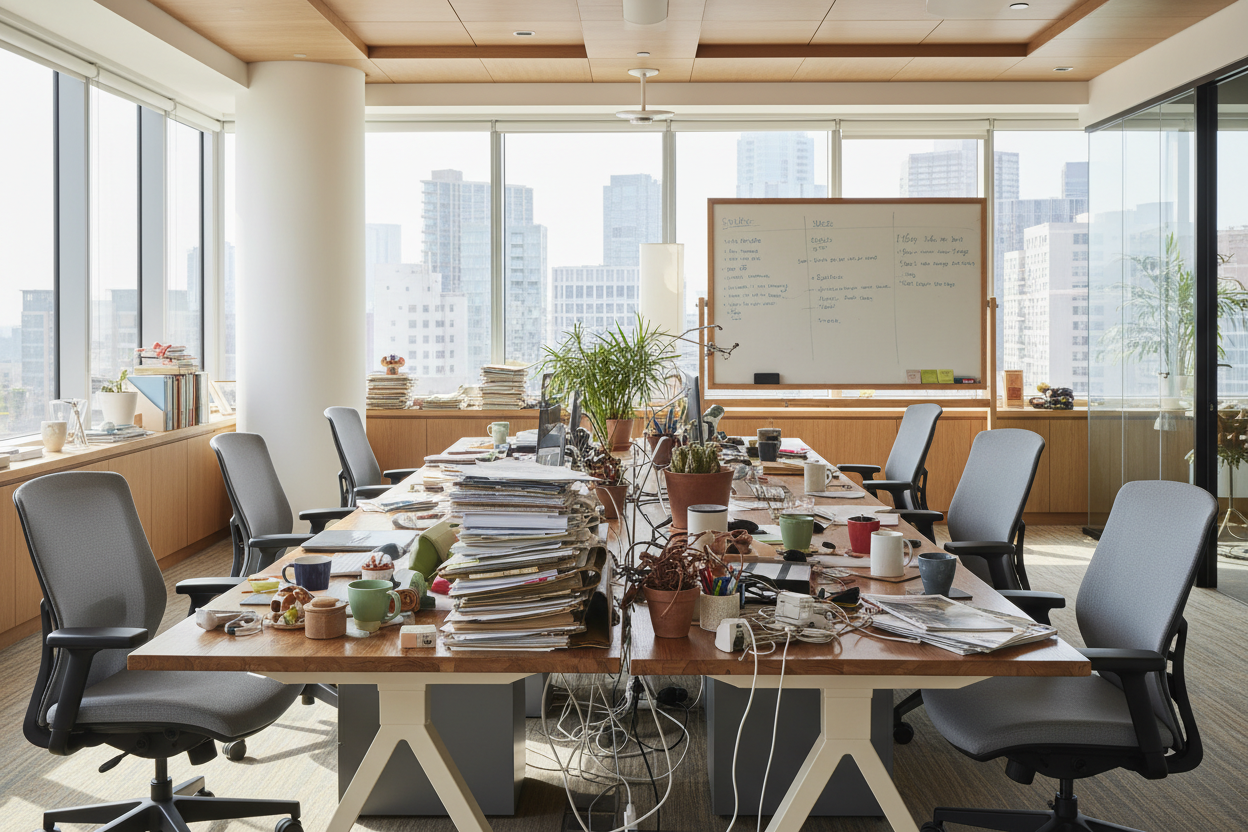
We have all experienced the sterility of a generic workspace or the chaotic energy of a cluttered study. The dilemma is rarely about budget; it is about a lack of cohesion. When you treat the decoration office process as merely filling a room with furniture, you sacrifice both functionality and mental clarity. As a designer, I see clients prioritize the wrong elements—obsessing over a chair's color while ignoring the desk's depth or the room's acoustics. This guide corrects that trajectory, ensuring your workspace supports your career rather than hindering it.
Key Features to Consider Before Buying
- Ergonomics First: Aesthetics mean nothing if your lumbar support is non-existent. Look for adjustable seat depth and armrest height.
- Material Durability: High-contact surfaces (desks) need scratch-resistant finishes like HPL or hardwood, not soft veneers.
- Lighting Layers: A single overhead fixture causes eye strain. You need a mix of ambient, task, and accent lighting.
- Acoustic Control: Hard surfaces amplify noise. Incorporate rugs, curtains, or acoustic panels to dampen sound.
- Visual Weight: Balance heavy furniture (like solid wood desks) with lighter elements (glass shelving or legs) to avoid cramping the room.
Structuring Your Layout for Flow
The placement of furniture dictates the room's energy. A common error in the decoration of office spaces is pushing the desk directly against a wall. This is known in the industry as the "punishment position." It limits visual depth and makes the room feel smaller.
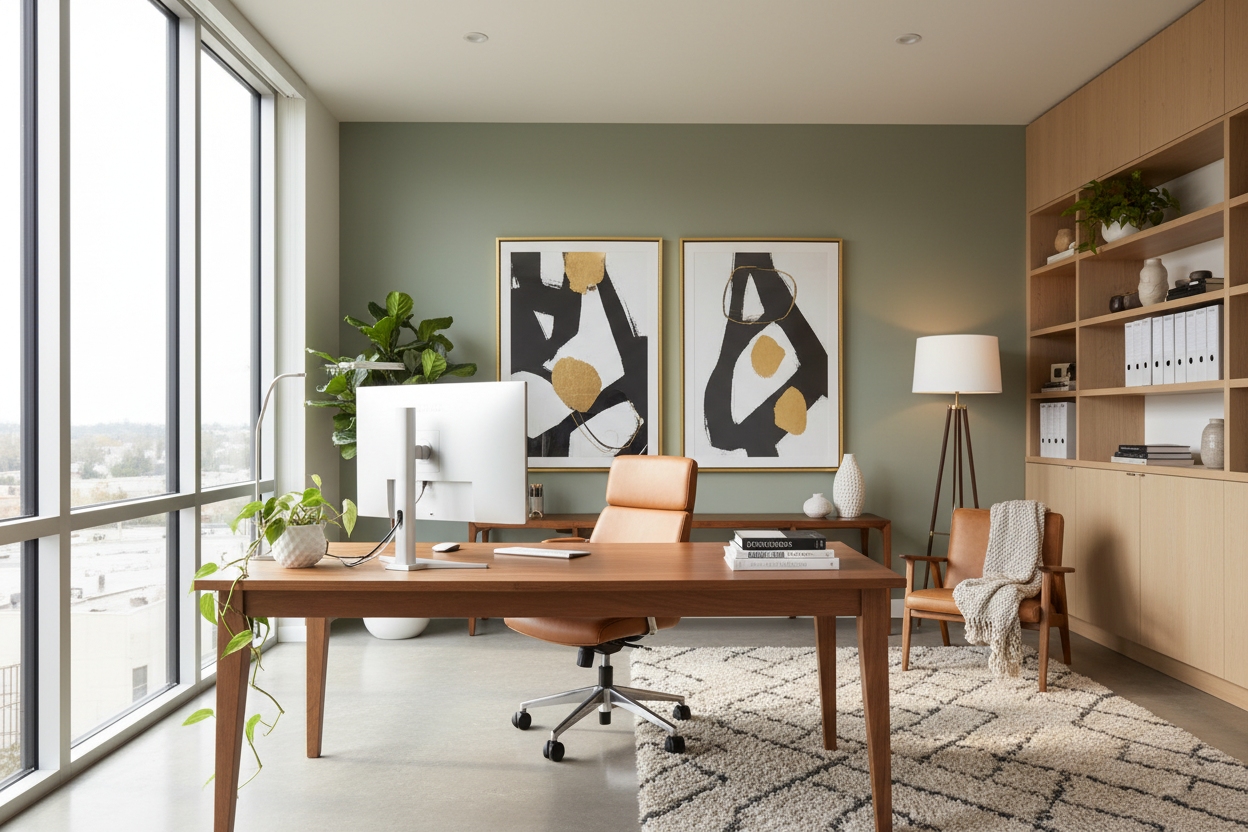
Instead, consider the "command position." Position your desk facing the door, but not directly in line with it. If space allows, float the desk in the center of the room. This anchors the space and allows for better circulation. Ensure you have at least 36 to 48 inches of clearance behind your chair to slide back without hitting a credenza or wall.
Materiality and Texture: Beyond the Look
When selecting decor for offices, tactile feedback is as important as visual appeal. You will be touching these surfaces for eight hours a day. Avoid glass desktops if you run a cold room; they sap heat from your wrists and require constant cleaning to remove fingerprints.
Solid Wood vs. Veneer
For executive gravity, solid wood (walnut or oak) is the gold standard. It ages beautifully and can be refinished. However, high-quality veneers are often more stable in climates with fluctuating humidity. If you choose veneer, ensure it is "architectural grade" to prevent peeling at the edges over time.
Lighting: The Invisible Design Element
Poor lighting is the silent killer of productivity. Your decoration office strategy must include a dedicated task light with an adjustable arm. Ideally, look for a fixture with a CRI (Color Rendering Index) of 90 or higher. This ensures that colors look true—vital if your work involves any graphic design or physical product reviews. Position the light on the opposite side of your dominant hand to eliminate writing shadows.
Lessons from My Own Projects: The "Echo Chamber" Mistake
I want to share a specific failure from a project I worked on three years ago. I designed a stunning, minimalist home office for a tech consultant. We went with polished concrete floors, a glass desk, and floor-to-ceiling windows. Visually, it was architectural perfection. Practically? It was a nightmare.
During our first video call after installation, I could barely understand him. The hard surfaces created a reverberation chamber. Every click of his mouse sounded like a hammer. I had to go back in and introduce a high-pile wool rug and install fabric Roman shades over those beautiful windows. It taught me a valuable lesson: decor for offices must prioritize acoustics. If you are on calls all day, soft textures aren't just decorative; they are functional audio equipment.
Creating a Space That Lasts
Designing a workspace is an investment in your own efficiency. By balancing ergonomic integrity with a sophisticated material palette, you create an environment that invites you to sit down and work. Focus on the tactile experience and the quality of light, and the aesthetic will naturally follow.
Frequently Asked Questions
How do I make a small office feel bigger?
Use vertical space. Install floor-to-ceiling shelving to draw the eye up. Choose furniture with exposed legs rather than solid bases (skirts), as seeing the floor underneath the furniture tricks the brain into perceiving more square footage.
What is the best color temperature for office lighting?
Aim for 4000K (Cool White) for task lighting, as it mimics daylight and promotes alertness. For ambient floor lamps, you can go warmer (3000K) to soften the room during late-night work sessions.
Is a standing desk worth the aesthetic compromise?
Absolutely. However, you don't have to compromise. Many high-end manufacturers now offer motorized standing desks with solid wood tops and concealed motors that rival the look of traditional static desks.

Leave a comment
This site is protected by hCaptcha and the hCaptcha Privacy Policy and Terms of Service apply.