










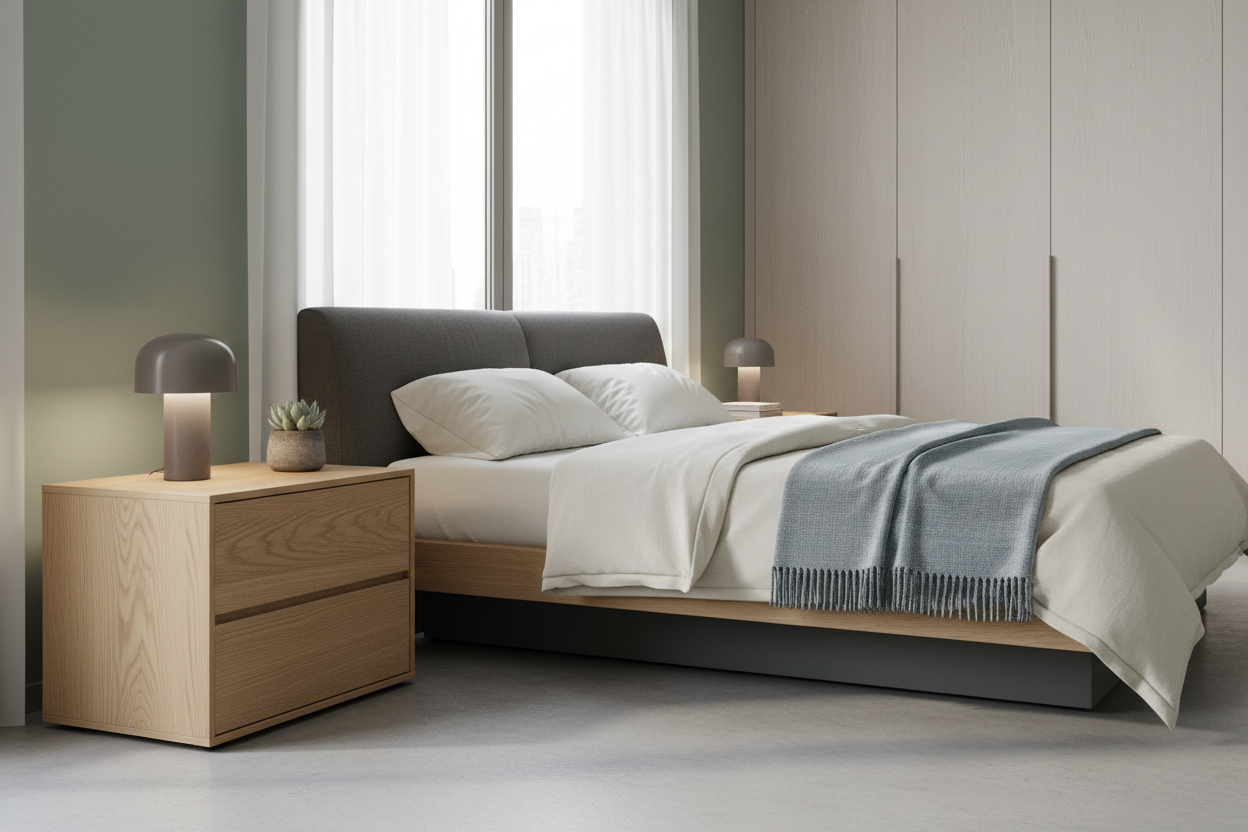
Living in a compact apartment taught me something valuable: every inch matters. My bedroom used to feel cramped until I discovered that swapping out my chunky nightstand for a narrow side table with drawers completely transformed the space. Not only did I gain precious floor area, but I also maintained all the storage I needed for my nightly essentials.
A thin side table with drawers offers the perfect balance between functionality and space efficiency. These sleek pieces typically measure between 10 to 15 inches in width, making them ideal for tight spots beside beds, sofas, or armchairs. Unlike their bulkier counterparts, they slip easily into those awkward gaps that would otherwise go unused, turning wasted space into practical storage.
Understanding the Real Benefits of Compact Storage
The beauty of a narrow side table drawer setup lies in its versatility. I've used mine in three different rooms over the past two years, and each time it adapted perfectly to the space. In my bedroom, it holds my reading glasses, phone charger, and a small notebook. When I moved it to my living room, it became the perfect spot for remote controls and coasters.
These slim tables work particularly well in hallways, entryways, and behind sofas where traditional furniture simply won't fit. The drawer component is crucial here—open shelving can make small spaces feel cluttered, while drawers keep everything tucked away and organized. You get the surface area you need without the visual bulk.
Choosing the Right Dimensions for Your Space
Measuring your available space is non-negotiable. I learned this the hard way when my first purchase was just two inches too wide for the gap between my bed and the wall. Most narrow side tables with drawers range from 10 to 18 inches deep, with heights varying from 20 to 30 inches depending on their intended use.
For bedside use, you'll want the tabletop to align roughly with your mattress height, making it easy to reach your alarm clock or water glass without awkward stretching. Sofa-side tables typically sit slightly lower, around 24 to 26 inches, so they don't tower over your armrest.
The number of drawers matters too. A single deep drawer works well for storing larger items like books or tablets, while multiple shallow drawers help you organize smaller objects. I prefer a two-drawer configuration—one for frequently used items and another for things I need less often.
Material Choices That Actually Make a Difference
Wood remains the most popular choice for thin side tables with drawers, offering durability and timeless appeal. Solid wood options like oak or walnut can last decades, though they come with a higher price tag. Engineered wood alternatives provide similar aesthetics at a fraction of the cost, making them perfect for renters or those on a budget.
Metal frames with wood tops have gained popularity recently, and I understand why. They create an industrial-modern look while maintaining structural integrity even at narrow widths. The metal legs prevent wobbling, which can be an issue with some all-wood designs when they're built so slim.
Glass-topped options exist but require more maintenance and can feel fragile in narrow configurations. Unless you're going for a very specific aesthetic, I'd recommend sticking with wood or metal-wood combinations for better practicality.
Smart Organization Within Limited Space
Maximizing your narrow side table drawer space requires some strategy. Drawer dividers transform a single compartment into multiple organized sections, preventing that dreaded junk drawer situation. I use small fabric bins inside mine to separate charging cables from pens and other small items.
Vertical stacking helps too. Instead of laying items flat, consider standing books upright or using stackable containers for things like medication or jewelry. The goal is to make every cubic inch count without creating a chaotic mess that defeats the purpose of having drawers.
Some narrow side tables come with built-in organizers, USB ports, or even wireless charging pads integrated into the tabletop. These features add functionality without requiring extra space, though they typically increase the cost.
Style Considerations for Different Rooms
The design of your thin side table with drawers should complement your existing furniture without overwhelming the space. In bedrooms, softer finishes like light oak or painted white create a calming atmosphere. My current table has a soft gray finish that matches my bedding while keeping the room feeling open and airy.
Living rooms can handle bolder choices. Dark walnut or black metal frames make strong visual statements, especially when paired with neutral sofas. The narrow profile means you can choose more dramatic designs without the piece dominating the room.
Transitional spaces like hallways benefit from simpler, more streamlined designs. A basic rectangular table with clean lines and minimal hardware tends to work best, avoiding visual clutter in areas where people are just passing through.
Assembly and Stability Concerns
Most narrow side tables with drawers arrive flat-packed and require assembly. The process typically takes 30 to 45 minutes, though simpler designs can go together in half that time. Pay close attention to drawer alignment during assembly—getting this right the first time prevents frustrating adjustments later.
Stability can be a concern with very narrow designs. Look for tables with adjustable feet or floor protectors that help level the piece on uneven surfaces. Some wobbling is normal during initial setup, but proper tightening of all screws usually resolves this issue.
Weight distribution matters when you're working with limited width. Avoid overloading one side of a drawer or placing heavy items on one corner of the tabletop. Balanced weight keeps the table stable and extends its lifespan.
Maintenance and Longevity
Caring for your narrow side table drawer unit is straightforward. Dust regularly with a microfiber cloth, and wipe up spills immediately to prevent water damage or staining. Wood surfaces benefit from occasional treatment with furniture polish, while metal components just need a damp cloth.
Drawer slides require periodic attention. If they start sticking, a small amount of furniture wax or silicone spray on the tracks restores smooth operation. Avoid using oil-based lubricants, which can attract dust and create a gummy residue over time.
Check hardware tightness every few months, especially if you move the table frequently. Loose screws can cause drawers to misalign or the entire structure to become unstable. A quick tightening session with a screwdriver prevents bigger problems down the road.
Frequently Asked Questions
What's the narrowest side table with drawers I can find?
The slimmest options typically measure around 8 to 10 inches wide, though these ultra-narrow designs usually feature only one small drawer. Most practical models range from 10 to 12 inches, offering better storage capacity while still fitting in tight spaces. Anything narrower than 8 inches tends to sacrifice stability and functionality.
Can a narrow side table with drawers work as a nightstand for two people?
You'll likely need two separate narrow tables, one on each side of the bed, rather than trying to share a single unit. The limited width means there's not enough surface area for two people's belongings. However, this setup actually works well in small bedrooms since two slim tables take up less total space than one wide nightstand.
How much weight can a thin side table drawer typically hold?
Most quality narrow side tables support 15 to 25 pounds on the tabletop and 5 to 10 pounds per drawer, though this varies by construction quality and materials. Always check manufacturer specifications before loading heavy items. Metal-framed tables generally handle more weight than all-wood designs of similar dimensions.


Leave a comment
This site is protected by hCaptcha and the hCaptcha Privacy Policy and Terms of Service apply.