










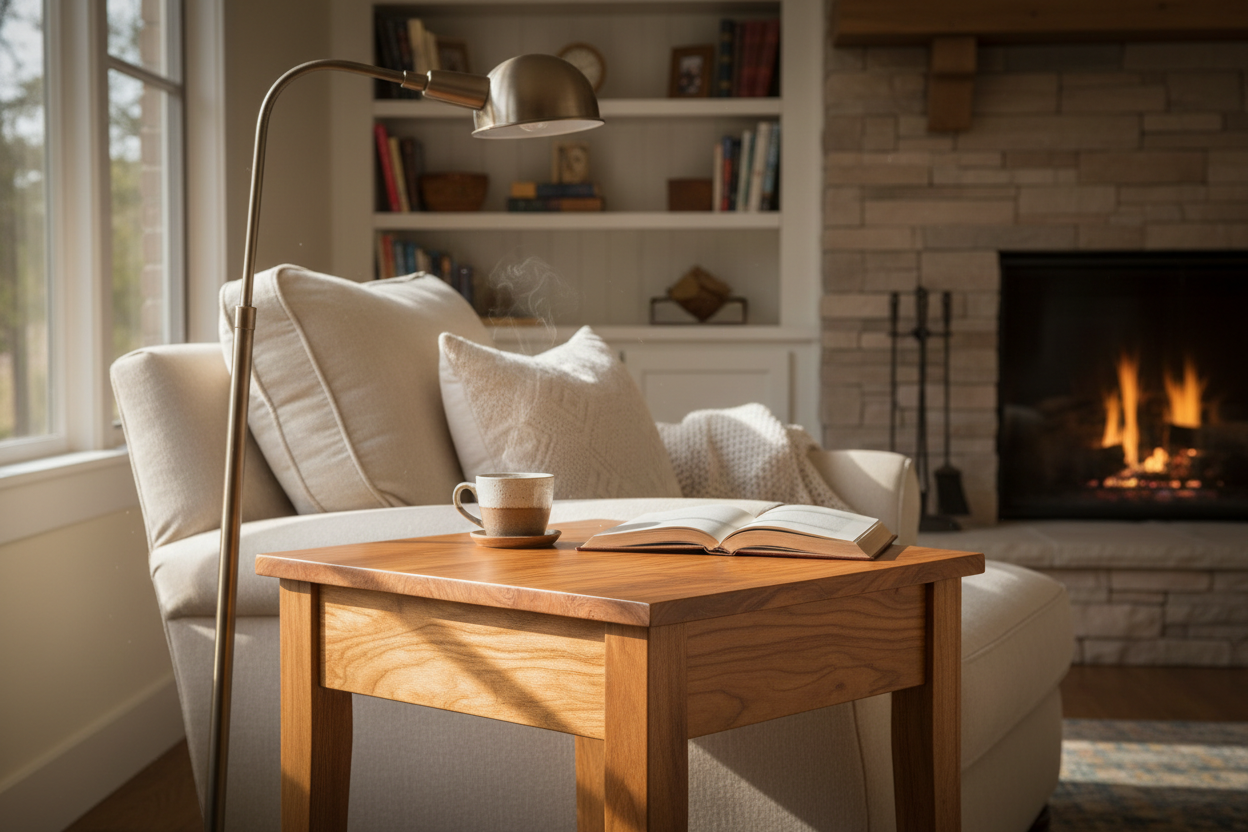
A natural wood side table brings something factory-made furniture simply can't replicate: character. Each grain pattern tells a story, each knot marks years of growth, and the organic variations in color create visual interest that synthetic materials struggle to match. Whether you're looking for a natural wood end table to anchor your living room or a small natural wood side table to tuck beside your reading chair, understanding what makes these pieces special helps you invest wisely.
The appeal goes beyond aesthetics. Raw wood side tables age gracefully, developing a patina that adds depth rather than looking worn out. Unlike particle board or laminate furniture that chips and peels, solid wood pieces can be refinished, repaired, and passed down through generations.
What Makes a Side Table "Natural"?
Natural wood accent tables typically feature minimal processing, allowing the wood's inherent beauty to shine through. This means fewer stains that obscure the grain, fewer synthetic finishes, and construction methods that respect the material's organic qualities. An organic wood side table might showcase live edges where bark once grew, or display spalting patterns created by natural fungi during the tree's life.
The finish matters tremendously. Many natural wood end tables for living room use oil or wax finishes rather than thick polyurethane coats. These breathable treatments enhance the wood's natural tones while maintaining its tactile warmth. When you run your hand across a properly finished natural end table, you feel wood—not plastic.
Storage Solutions Without Sacrificing Style
A natural wood side table with drawer solves the eternal problem of living room clutter while maintaining clean lines. I learned this the hard way after years of stacking remotes, reading glasses, and coasters on top of a simple pedestal table. The drawer doesn't need to be large—even a shallow compartment transforms functionality.
Natural wood end table with storage options range from simple single-drawer designs to more complex pieces featuring both drawers and open shelving. The key is ensuring storage elements don't overwhelm the wood's natural beauty. Well-designed natural wood end tables with drawers integrate hardware thoughtfully, often using wooden knobs or pulls that complement rather than compete with the grain.
For smaller spaces, a natural wood end table with drawer provides maximum utility in minimal square footage. These compact pieces often measure 18-24 inches in height and width, fitting comfortably beside sofas or beds while offering hidden storage for everyday essentials.
Size and Scale Considerations
A natural wood small table serves multiple purposes beyond traditional end table duties. These versatile pieces work as plant stands, bedside companions, or accent furniture in entryways. The beauty of small side table natural wood designs is their flexibility—you can easily move them as your needs change.
Proportion matters more than absolute measurements. Your natural side table should relate comfortably to surrounding furniture. The classic guideline suggests side tables within two inches of sofa arm height, but this isn't law. Sometimes a slightly lower profile creates better visual flow, especially with contemporary seating.
Small natural wood side table options excel in apartments and condos where every inch counts. A 12-16 inch diameter piece provides surface area for a lamp and book without dominating tight quarters. Round profiles work particularly well in compact spaces since they lack corners that catch clothing or create bruising hazards.
Round vs. Rectangular: The Shape Debate
A natural round side table softens angular rooms filled with rectangular furniture. The circular form encourages better traffic flow and creates a more organic feel that complements the wood's natural origins. Round tables also showcase wood grain in interesting ways, with growth rings creating concentric patterns that draw the eye inward.
Rectangular and square natural wood end tables offer more usable surface area in the same footprint. They align neatly with sofa arms and fit flush against walls when needed. The choice often comes down to your room's existing geometry and how you plan to use the piece.
Wood Species and Their Personalities
Different woods bring distinct characteristics to natural accent table designs. Walnut offers rich chocolate tones with dramatic grain patterns. Oak provides durability with prominent ray fleck patterns. Maple presents subtle, fine grain in creamy tones that brighten spaces. Teak brings natural oils that resist moisture, making it ideal for humid climates.
Reclaimed wood adds another dimension entirely. These materials carry history in the form of nail holes, saw marks, and weathering that new lumber can't replicate. A natural wood side table with storage built from reclaimed barn wood brings rustic warmth, while reclaimed teak from old boats carries exotic appeal.
Maintenance Reality Check
Natural wood requires more attention than laminate, but less than you might fear. Regular dusting prevents buildup that can scratch finishes. Occasional treatment with appropriate oils or waxes maintains protection and enhances color depth. Water rings happen—coasters are your friends.
The good news? Minor damage often adds character rather than ruining the piece. That coffee stain your laminate table would wear forever might become a conversation piece on natural wood, blending into the patina over time. Deeper scratches can be sanded and refinished, something impossible with veneered furniture.
Investment Value
Quality natural wood end tables with drawers cost more upfront than mass-produced alternatives, but the math changes when you consider longevity. A well-constructed piece easily lasts 20-30 years with basic care, while particleboard furniture often fails within 5-7 years. Divided across years of use, the natural wood option frequently costs less per year of service.
Resale value matters too. Solid wood furniture maintains worth in ways flat-pack alternatives don't. Browse any vintage market and you'll find natural wood pieces commanding good prices, while yesterday's trendy laminate sits unsold.
Styling Your Natural Wood Pieces
The organic quality of natural wood accent tables makes them surprisingly versatile. They ground modern minimalist spaces with warmth, complement traditional rooms without fussiness, and add sophistication to eclectic designs. The key is letting the wood speak rather than overwhelming it with accessories.
A simple lamp, a small plant, and perhaps one decorative object create pleasing arrangements on natural wood side table with drawer designs. The drawer handles overflow, keeping surfaces uncluttered while the wood grain provides visual interest. In rooms with multiple natural wood end tables for living room, varying heights and shapes creates rhythm without requiring matching sets.
Color coordination becomes easier with natural wood. The neutral tones work with virtually any palette, while the organic texture adds depth to monochromatic schemes. Even bold, colorful rooms benefit from natural wood's grounding presence.
Where to Find Quality Pieces
Local craftspeople often create superior natural wood end table with storage options compared to mass retailers. These makers understand wood movement, joint construction, and finishing techniques that ensure longevity. The premium you pay supports skilled trades while getting furniture built to last.
Estate sales and antique shops offer another route to quality. Older pieces were often built with better materials and construction than modern equivalents. A vintage natural side table might need refinishing, but the bones are typically solid.
When buying new from retailers, examine joinery carefully. Dovetail or mortise-and-tenon joints indicate quality construction. Drawer boxes should be solid wood, not particleboard with veneer. Hardware should operate smoothly without wobbling. These details separate natural wood small table designs that last from those that disappoint.
Frequently Asked Questions
How do I protect natural wood side tables from water damage?
Use coasters religiously and wipe up spills immediately. Apply a quality furniture wax or oil every 6-12 months to maintain the protective finish. For pieces in humid environments or near windows, consider adding a thin coat of water-resistant finish while maintaining the natural appearance.
Can natural wood side tables work in modern or contemporary spaces?
Absolutely. The organic texture of natural wood provides essential warmth that prevents modern spaces from feeling cold or sterile. Choose pieces with clean lines and minimal ornamentation to complement contemporary aesthetics while adding natural elements that create balance.
What's the difference between natural wood and reclaimed wood side tables?
Natural wood refers to the minimal processing and finishing, emphasizing the wood's organic qualities. Reclaimed wood is previously used lumber salvaged from old buildings, barns, or furniture. A table can be both natural and reclaimed, featuring salvaged wood with minimal processing to showcase its weathered character and history.

Leave a comment
This site is protected by hCaptcha and the hCaptcha Privacy Policy and Terms of Service apply.