










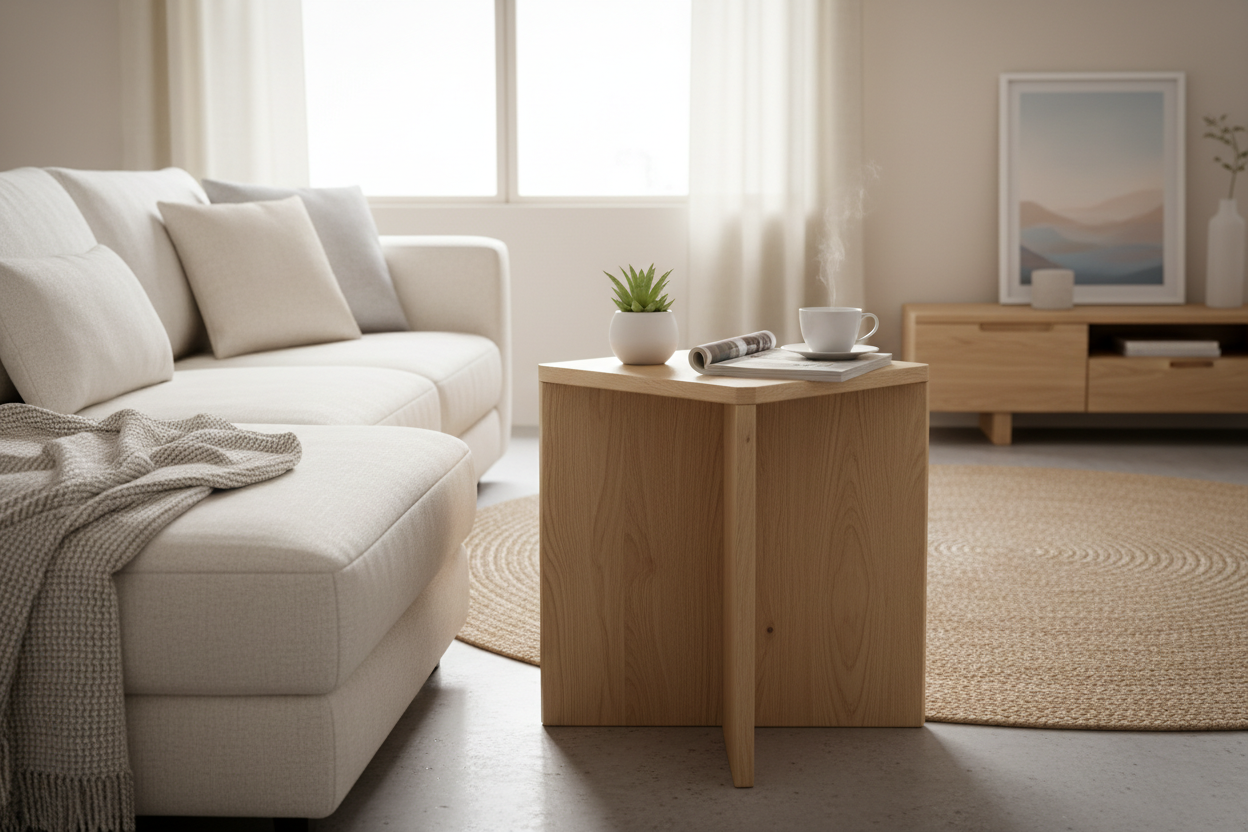
Interior design often feels like a balancing act between functionality and atmosphere. You want furniture that serves a purpose, but you also want pieces that contribute to the overall mood of the home. This is exactly where a light wood side table shines. Unlike darker, heavier furniture that can anchor a room but sometimes absorb too much visual space, lighter woods like oak, ash, birch, or maple bring an immediate sense of airiness and organic warmth. If you are trying to brighten a dim corner or soften the look of a modern sofa, these pieces work incredibly well to bridge the gap between stark minimalism and cozy comfort.
Choosing the right furniture involves understanding how light interacts with surfaces. I recall working on a north-facing living room that felt perpetually gloomy, despite having large windows. We initially tried dark walnut tables, thinking they would add richness, but they just created visual black holes. Swapping those out for light side tables made an instant difference. The pale grain reflected what little natural light existed, bouncing it back into the room rather than absorbing it. It wasn’t a renovation; it was just a furniture swap, but the psychological effect was profound.
Bringing Balance to Your Living Space
When styling a light wood side table living room setup, contrast is your best friend. If your flooring is dark hardwood or slate tile, a blonde wood table prevents the furniture from disappearing into the floor. Conversely, if you have a neutral, beige, or cream carpet, a light natural wood side table adds texture without breaking the monochromatic flow. The grain patterns—cathedrals in oak or straight lines in ash—provide just enough visual interest to keep the space from looking flat.
These tables are chameleons. A light wood accent table fits effortlessly into a Scandinavian design, which prioritizes clean lines and brightness, but it works equally well in Coastal, Farmhouse, or even Japandi interiors. The lack of heavy, dark stains allows the honest beauty of the material to take center stage, making the room feel curated rather than cluttered.
Functionality and Storage Solutions
While aesthetics are crucial, the utility of your furniture dictates how livable your space actually is. A surface to place a coffee cup is great, but many of us need more hard-working furniture. This is where a light wood end table with drawer comes into play. Living rooms are magnets for small clutter—remote controls, charging cables, coasters, and reading glasses. having a dedicated spot to tuck these items away keeps the tabletop clear and the mind calm.
If you are dealing with a particularly busy household, you might want to look specifically for a light wood end table with storage that goes beyond a single shallow drawer. Some designs incorporate lower shelves or cabinets. An open shelf on the bottom is perfect for stacking oversized art books or placing a woven basket to hold blankets. This duality of open and closed storage ensures that your light wood side table with drawer remains a functional hub rather than just a decorative statue.
Scaling for Size and Space
Not everyone has the luxury of a sprawling lounge area. In tighter quarters, the visual weight of furniture matters as much as the physical dimensions. A small light wood side table takes up less "visual real estate" than a metal or black painted equivalent. Because the color is closer to neutral wall tones, the eye glides over it, making the room feel larger.
When selecting light colored end tables for small spaces, pay attention to the leg structure. Tapered legs or open, geometric bases allow light to pass through and under the table, enhancing the feeling of spaciousness. Avoid boxy, solid-to-the-floor designs in small rooms unless you desperately need the internal volume for storage. The goal is to maintain a sense of flow.
Understanding Wood Tones and Durability
The term "light wood" covers a broad spectrum of botanicals, and knowing the difference helps in selecting a piece that lasts. A light wood end table made of pine will be cost-effective and have a lovely rustic knotty appearance, but it is a softwood. It will dent and scratch easily—which might be fine if you appreciate a worn-in patina. On the other hand, white oak or maple are hardwoods. They resist daily wear and tear much better, making them ideal for high-traffic zones.
You might also encounter light colored wood end tables made from veneers or engineered wood. High-quality veneers are excellent; they offer the stability of engineered wood (which doesn't warp with humidity changes) with the beauty of real timber on the surface. However, ensure the finish is sealed properly. A matte, water-based polyurethane finish is usually best for maintaining that raw, natural look while protecting against water rings from your evening tea.
Mixing and Matching Wood Tones
A common hesitation homeowners have is whether they can mix wood tones. There is a myth that if your coffee table is walnut, your end tables must match. This is outdated advice. Mixing woods adds depth and history to a room. A light wood end table acts as a highlight against darker furniture pieces. The key to mixing woods successfully is to keep the undertones consistent. If your dark furniture has warm, reddish undertones (like cherry or mahogany), look for light woods that also lean warm (like beech). If your main pieces are cool or ash-toned, stick to cool, blonde woods like bleached oak or birch.
Final Thoughts on Selection
Whether you are hunting for a simple surface for a lamp or a robust unit to hide your electronics, the market for these pieces is vast. From a minimalist light wood accent table to a heavy-duty storage unit, the light wood aesthetic offers a timeless appeal that transcends fleeting trends. It invites nature indoors, brightens the corner, and provides the functional support every living room needs.
Frequently Asked Questions
How do I protect a light wood table from stains without darkening the color?
Look for water-based polyurethane sealers or polychromatic wax finishes. Oil-based finishes tend to amber or yellow over time, which alters the light wood look. A matte, water-based clear coat will provide a protective barrier against moisture while keeping the wood looking natural and pale.
Can I mix a light wood side table with dark wood furniture?
Absolutely. Mixing wood tones creates a layered, designer look that feels collected rather than bought as a set. To make it cohesive, try to match the undertones (warm with warm, cool with cool) or use a rug to act as a buffer between the different wood shades.
What is the ideal height for an end table next to a sofa?
The general rule of thumb is that the table surface should be within two inches of the sofa's arm height. Ideally, it should be level with or slightly lower than the arm. If the table is too high, it can feel awkward to reach for a drink; if it's too low, it looks visually unbalanced.

Leave a comment
This site is protected by hCaptcha and the hCaptcha Privacy Policy and Terms of Service apply.